Summary
U.S. President Donald Trump recently announced that the leaders of Israel and Lebanon are scheduled to speak this Thursday. This potential conversation is part of an effort to reach a ceasefire agreement between the two nations, with the United States acting as a middleman. While Trump expressed great optimism about this meeting, officials in Lebanon have stated they have no knowledge of any such contact. This confusion happens while intense fighting continues on the ground between the Israeli military and the group known as Hezbollah.
Main Impact
The primary impact of these conflicting reports is a sense of uncertainty in international diplomacy. If the leaders do speak, it would represent a historic shift in relations, as direct communication between these two governments is extremely rare. However, the denial from Lebanon suggests a possible disconnect between U.S. expectations and the reality of the situation in the Middle East. This lack of clear communication could slow down the process of ending the violence that has affected thousands of people in the region.
Key Details
What Happened
Late Wednesday night, Donald Trump shared a message on his social media platform, Truth Social. He claimed that "the leaders" of Israel and Lebanon would talk on Thursday to help create "breathing space" between the two countries. He noted that it has been about 34 years since the leaders of these two nations last spoke directly. Shortly after this announcement, the Lebanese government, through the AFP news agency, denied that they knew anything about an upcoming call or meeting with Israeli officials.
Important Numbers and Facts
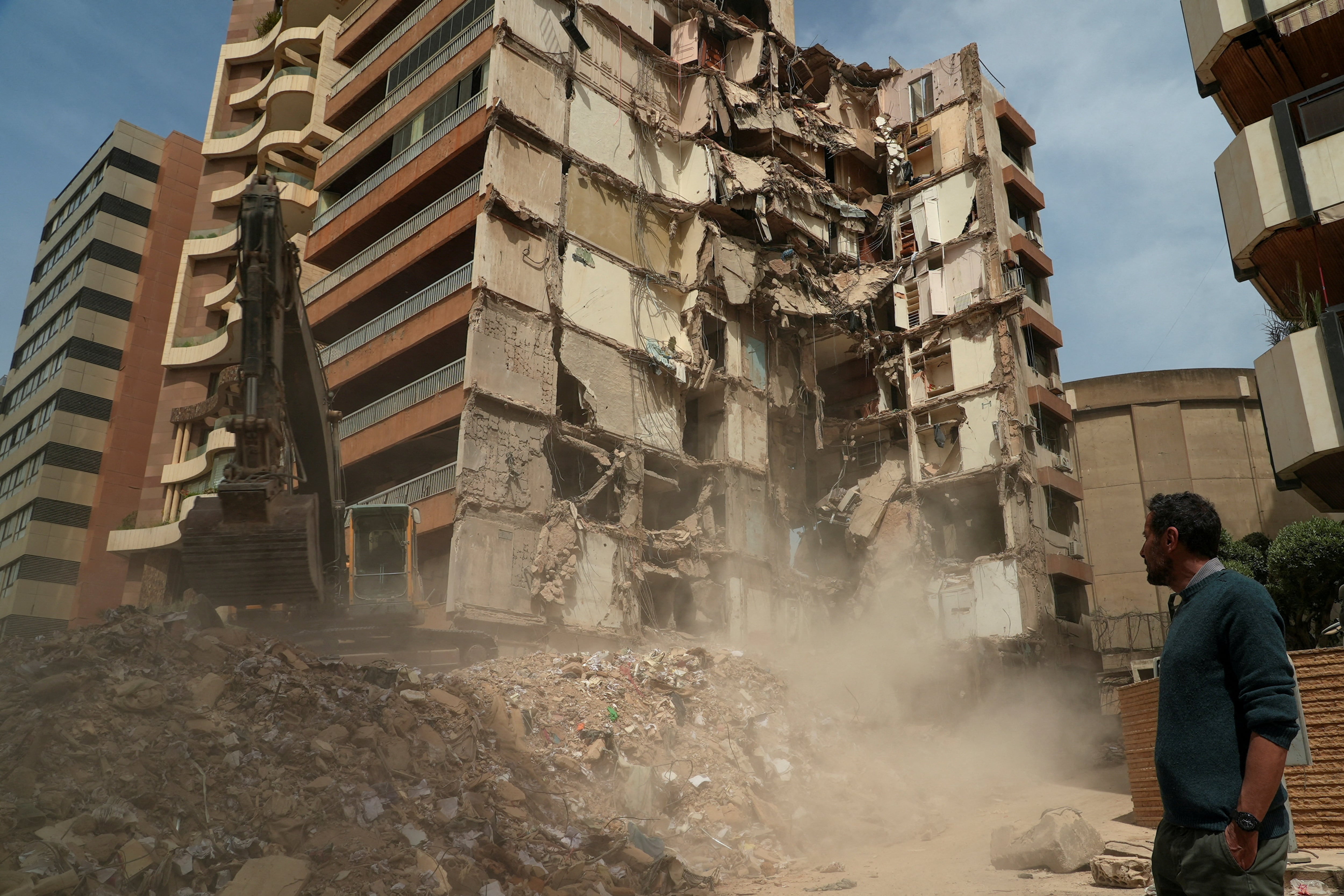
The timeline mentioned by Trump focuses on a 34-year gap in direct high-level communication. While the governments do not usually talk directly, their ambassadors did meet earlier this week on Tuesday. During that meeting, both sides reportedly agreed to continue discussions. Despite these diplomatic efforts, the situation on the border remains dangerous. In the last 24 hours, the Israeli army and Hezbollah have engaged in some of the most violent clashes seen in recent weeks along the southern border of Lebanon.
Background and Context
To understand why this matters, it is important to know that Israel and Lebanon do not have formal diplomatic relations. They are technically in a state of conflict. Most of the fighting in recent months has been between Israel and Hezbollah, a powerful armed group based in Lebanon that is supported by Iran. The United States has been trying to act as a peacekeeper to prevent the conflict from growing into a much larger war. Because the two countries do not talk directly, the U.S. often has to pass messages back and forth between them. A direct talk between leaders would mean that the peace process has moved to a much more serious and official level.
Public or Industry Reaction
The reaction to Trump’s statement has been a mix of surprise and skepticism. International observers were quick to notice the difference between Trump’s confident announcement and Lebanon’s flat denial. Some experts believe that the U.S. might be trying to push both sides into a meeting by announcing it publicly before everything is finalized. In Lebanon, the news was met with caution, as the government there must balance its diplomatic efforts with the internal influence of Hezbollah. Meanwhile, the Israeli government has remained relatively quiet about the specific details of the scheduled talk, focusing instead on its military operations.
What This Means Going Forward
The next few days will be critical for the region. If a meeting or a phone call actually takes place, it could lead to a formal ceasefire agreement. This would bring much-needed relief to civilians living near the border. However, if the talk does not happen, it could signal that the two sides are still very far apart on key issues. The ongoing violence on the border also poses a risk; if the fighting gets worse, it might become impossible for leaders to sit down and talk, regardless of what the U.S. suggests. The world is now watching to see if the "leaders" Trump mentioned will actually come together or if the diplomatic gap remains too wide to bridge.
Final Take
True peace requires more than just social media announcements; it requires both sides to be on the same page. While the hope for a ceasefire is strong, the current confusion between Washington and Beirut shows how difficult these negotiations really are. For a real breakthrough to happen, the public statements from all involved countries need to match the actions taking place behind closed doors.
Frequently Asked Questions
Why is a talk between Israel and Lebanon so important?
It is important because the two countries do not have a normal relationship and rarely speak directly. A high-level talk would be a major step toward ending the current war and establishing a ceasefire.
Why did Lebanon deny that a meeting was happening?
Lebanon may have denied it because the details were not yet confirmed, or because they did not want to appear to be moving too fast in negotiations without the support of all political groups within their own country.
Who is mediating the peace talks?
The United States is the primary mediator. U.S. officials are working to help Israel and Lebanon reach an agreement to stop the fighting and bring stability back to the border region.