
Summary
The Supreme Court of India has officially turned down a request from Congress leader Pawan Khera for continued protection against arrest. This legal battle stems from comments Khera made about the Prime Minister during a press conference some time ago. The court's decision means that Khera must now seek legal relief from lower courts as his case moves forward. This ruling marks a significant moment in a long-running legal dispute between the politician and the state.
Main Impact
The most immediate effect of this ruling is that Pawan Khera no longer has a special legal shield from the highest court in the country. Without this protection, he faces the possibility of being taken into custody by the police if they feel it is necessary for their ongoing investigation. This puts the Congress party's media head in a difficult position, as he must now focus on fighting these charges in a trial court. The decision also signals that the Supreme Court wants such matters to be handled through the standard legal process rather than through special petitions to the top judges.
Key Details
What Happened
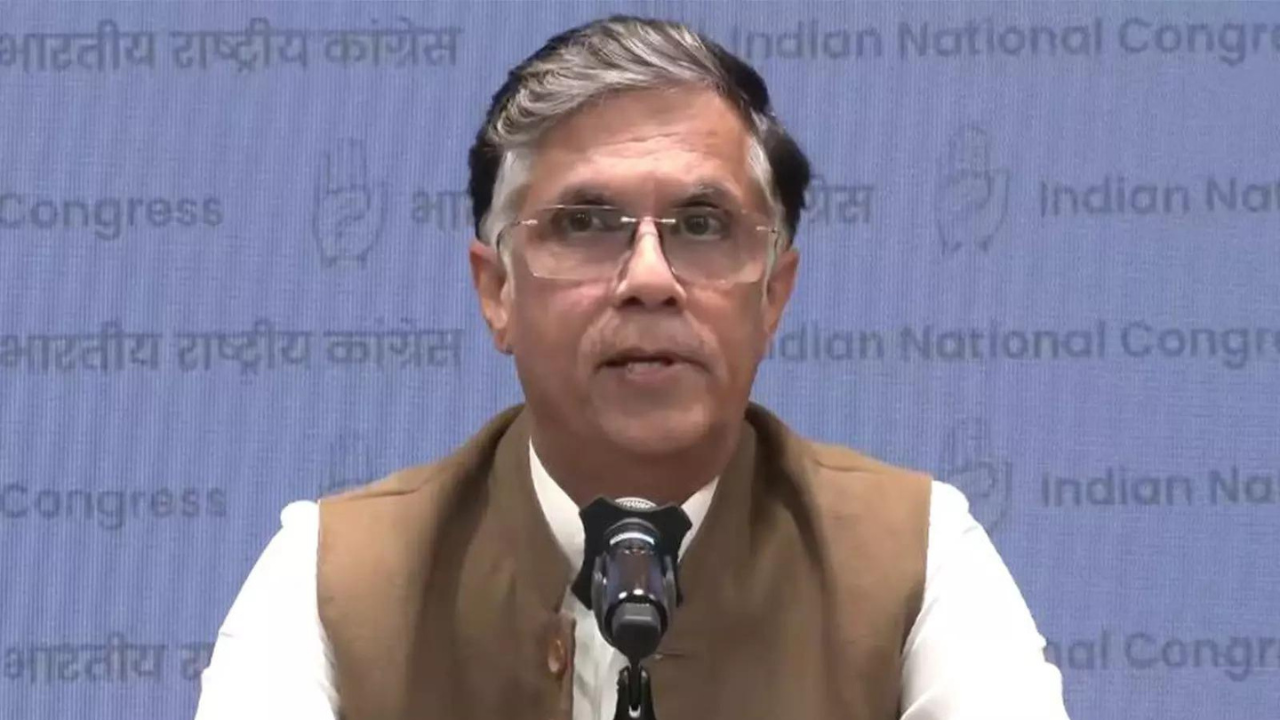
Pawan Khera had asked the Supreme Court to extend the protection he was previously given. His legal team argued that the cases against him were politically motivated and based on a simple mistake in his speech. However, the bench of judges decided that they would not interfere any further in the matter. They told Khera that he should approach the local trial court to ask for bail or any other legal help he might need. This effectively ends his direct legal fight at the Supreme Court level for now.
Important Numbers and Facts
The legal trouble for Khera began in February 2023. At that time, he was famously stopped and taken off a flight at the Delhi airport by the police. Following his comments, three separate police reports, known as FIRs, were filed against him. These reports were filed in different states, including Assam and Uttar Pradesh. To make the legal process simpler, the Supreme Court had earlier agreed to combine all these cases into one. The combined case is currently being handled by a court in Lucknow, Uttar Pradesh. The charges against him involve sections of the law related to promoting enmity between groups and making statements that could cause public mischief.
Background and Context
This entire situation started because of a specific press conference where Khera was speaking about the Prime Minister. During his talk, he used a name that many people found offensive and disrespectful toward the Prime Minister’s family. Khera later clarified that it was a "slip of the tongue" and that he did not intend to cause any harm or insult. In India, the law is very strict about comments that could hurt religious feelings or cause public disorder. When a public figure makes a controversial statement, it often leads to multiple police complaints across different cities. This case has become a major point of discussion regarding how much freedom politicians have when they criticize their opponents.
Public or Industry Reaction
The reaction to the court's decision has been split along political lines. Members of the Congress party have expressed disappointment. They argue that the government is using the legal system to silence people who disagree with them. They believe that a simple mistake in a speech should not lead to criminal charges or the threat of jail. On the other hand, leaders from the ruling BJP have welcomed the court's stance. They say that no one is above the law, regardless of their political position. They argue that respect for the office of the Prime Minister is important and that people must be held accountable for the words they choose to use in public.
What This Means Going Forward
Now that the Supreme Court has stepped away, the focus shifts entirely to the trial court in Lucknow. Pawan Khera will have to appear there and apply for regular bail. If the judge in that court decides not to grant bail, Khera could be sent to jail while the trial continues. This case will likely take several months or even years to reach a final conclusion. It serves as a reminder to all public figures that the words they use in press conferences and speeches can have serious legal consequences. It also shows that the legal system expects individuals to follow the standard path of moving from lower courts to higher courts, rather than jumping straight to the top.
Final Take
The Supreme Court's choice to reject the plea shows a desire to return to normal legal procedures. While the court helped Khera initially by combining his cases, it is now leaving the final judgment to the local courts. This move emphasizes that the legal process must be followed by everyone, even high-profile political leaders. The outcome of the upcoming hearings in Lucknow will be a major test for Khera and a closely watched event for the entire country.
Frequently Asked Questions
Why did the Supreme Court refuse to protect Pawan Khera?
The court believes that the case has reached a stage where it should be handled by the local trial court. They want the standard legal process to take place instead of providing special protection indefinitely.
Can Pawan Khera still be arrested?
Yes, since the Supreme Court has rejected his plea for protection, he could face arrest unless he successfully gets bail from the trial court in Lucknow.
What were the original charges against him?
The charges relate to comments he made about the Prime Minister's name. The police filed cases for allegedly spreading misinformation and hurting public sentiment during a press conference.



