Summary
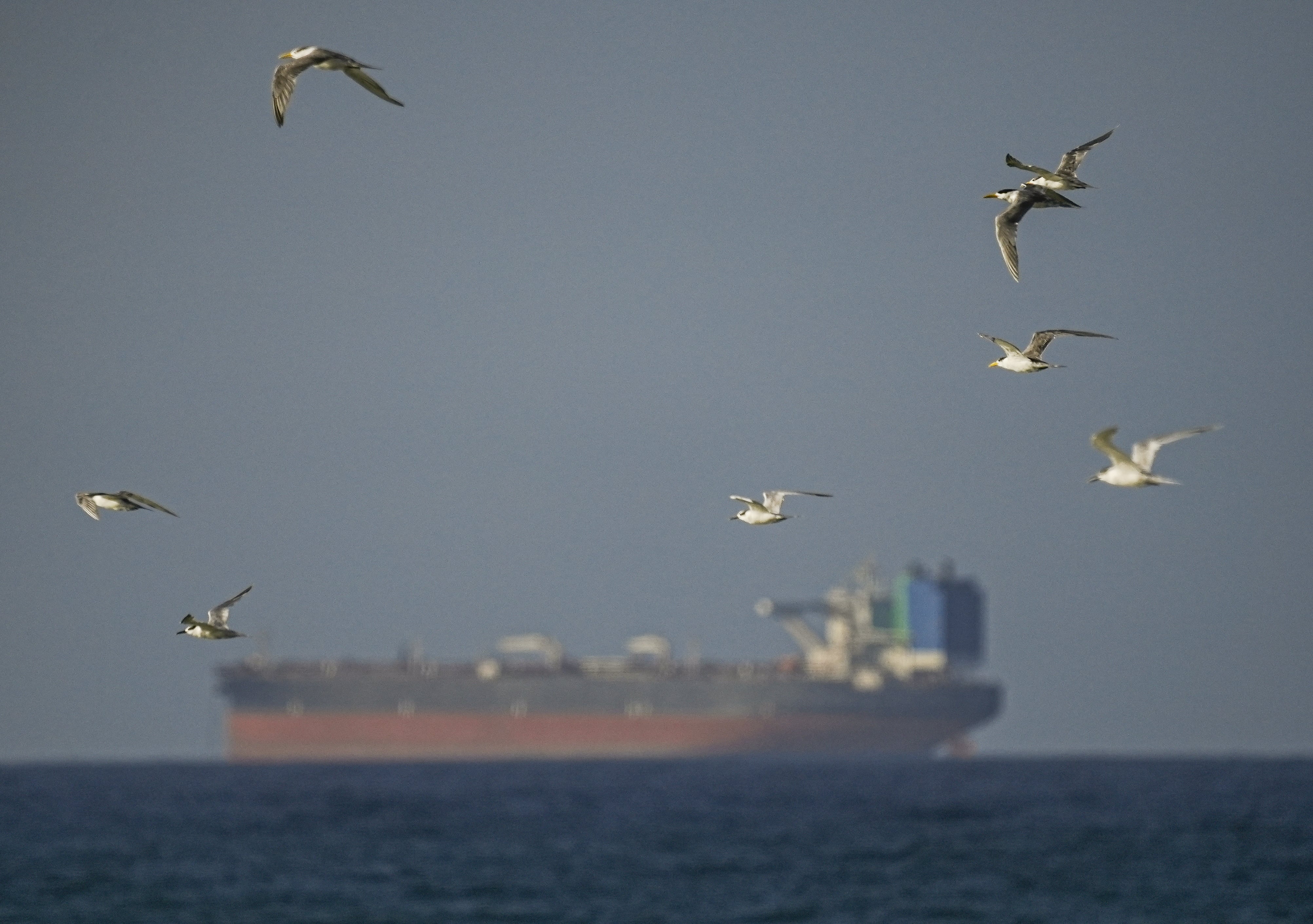
Iran has officially announced the full reopening of the Strait of Hormuz following a new truce with Israel. This move has caused a major shift in global markets, with oil prices dropping significantly as shipping concerns ease. While the ceasefire brings a temporary stop to the direct fighting, the military situation on the ground remains complex. Israel continues to hold positions in southern Lebanon, and both sides remain on high alert during this fragile period of peace.
Main Impact
The most immediate impact of this announcement is being felt in the global economy. The Strait of Hormuz is one of the most important water passages in the world for energy supplies. By guaranteeing its safety, Iran has removed a major threat to global trade. This led to a sharp rise in stock market values and a nearly 10% drop in the price of oil. For the people living in the conflict zones, the truce offers a chance to move, but the heavy military presence means that true safety is still far away.
Key Details
What Happened
Iran’s Foreign Minister, Abás Araghchi, confirmed that the country would ensure the shipping route remains open during the truce. This announcement follows weeks of intense conflict involving Israel, Iran, and the Hezbollah militia in Lebanon. On the first day of this ceasefire, Israel’s Defense Minister, Israel Katz, made it clear that his country’s military would not leave the areas it currently occupies. Specifically, Israeli troops are staying in a 10-kilometer-wide strip of land in southern Lebanon to ensure their security goals are met.
Important Numbers and Facts
The scale of the conflict over the last month and a half has been significant. Here are the key figures from the recent reports:
- Oil Prices: Fell by almost 10% immediately after the announcement.
- Duration of War: The most recent heavy fighting lasted for 46 days.
- Hezbollah Attacks: The group claimed to have launched more than 2,000 attacks against Israeli targets during the conflict.
- Truce Period: The current agreement includes a 10-day window where specific military movements are restricted, though Israel will maintain its buffer zone.
- Buffer Zone: Israeli forces are occupying a 10-kilometer area inside the southern Lebanese border.
Background and Context
To understand why this matters, one must look at the geography of the region. The Strait of Hormuz is a narrow waterway that connects oil producers in the Middle East to the rest of the world. A large portion of the world's daily oil supply passes through this point. Whenever there is a threat to close it, energy prices go up everywhere, affecting everything from gas stations to grocery stores. This is why the reopening is such big news for the global economy.
The conflict itself involves several players. Israel has been fighting Hezbollah, a group in Lebanon that is backed by Iran. This has led to a wider "shadow war" between Israel and Iran. After 46 days of intense rocket fire and ground fighting, the current truce was reached to prevent the situation from turning into an even larger regional war. However, the underlying problems between these nations have not been solved, making the peace very unstable.
Public or Industry Reaction
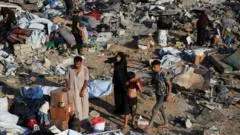
The business world reacted with a sense of relief. Investors who were worried about a total shutdown of energy routes began buying stocks again, showing confidence that the immediate danger has passed. However, the reaction on the ground in Lebanon is more mixed. Thousands of people who fled their homes are now trying to return to the south. They face a difficult journey, as many houses have been destroyed and the Israeli military is still active in the area.
Hezbollah has issued a stern warning despite the truce. The group stated that its fighters are still ready to act and are watching the Israeli military closely. This suggests that while the bombs have stopped falling for now, the threat of more violence is still very high if either side breaks the rules of the agreement.
What This Means Going Forward
The next 10 days will be a critical test for the region. If the truce holds, it could lead to longer talks about a permanent peace. However, there are many risks. Israel’s decision to stay in southern Lebanon and continue destroying what it calls "terrorist infrastructure" could lead to new clashes. If Hezbollah feels that Israel is going too far, they might start firing rockets again.
For the rest of the world, the focus will remain on the Strait of Hormuz. As long as ships can pass through safely, the global economy will stay more stable. Governments will likely use this 10-day window to pressure both sides to turn the temporary truce into a lasting ceasefire. The return of civilians to southern Lebanon will also create a humanitarian challenge, as many will find their communities in ruins.
Final Take
The reopening of the Strait of Hormuz is a positive sign for global stability, but it does not mean the war is over. The drop in oil prices shows how much the world relies on this region staying calm. While the 10-day truce provides a much-needed break from the violence, the heavy military presence on both sides shows that the situation is still on a knife-edge. True peace will require more than just opening a shipping lane; it will require a solution that allows people on both sides of the border to feel safe in their homes.
Frequently Asked Questions
Why did oil prices drop so quickly?
Oil prices dropped because Iran guaranteed that the Strait of Hormuz would stay open. Since a huge amount of the world's oil travels through this waterway, the news reduced fears of a global energy shortage.
Is the war between Israel and Hezbollah over?
No, it is currently a 10-day truce. While the fighting has paused, the Israeli military is still occupying parts of southern Lebanon, and Hezbollah has said its fighters remain ready to attack if necessary.
Can people return to their homes in southern Lebanon?
Many people are trying to return, but it is dangerous. Israel is still maintaining a 10-kilometer buffer zone and is continuing to destroy buildings they claim are used by militants. Many homes in the area have also been damaged or destroyed during the 46 days of war.