Summary
Mexican President Claudia Sheinbaum recently spoke in Barcelona to clarify the relationship between Mexico and Spain. She denied that a diplomatic crisis exists between the two nations despite ongoing discussions about historical events. Sheinbaum is in Spain to join other world leaders for a major meeting focused on protecting democracy and addressing the rise of far-right political movements. Her comments aim to balance the need for historical recognition with the importance of maintaining strong international ties.
Main Impact
The primary impact of this development is the stabilization of relations between Mexico and Spain. By publicly stating that there is no crisis, President Sheinbaum is signaling that Mexico is ready to cooperate on modern global issues while still honoring its past. This meeting in Barcelona also marks a significant moment for progressive leaders from Europe and Latin America to form a united front. Their goal is to create a shared strategy to handle global instability and protect democratic values in their respective countries.
Key Details
What Happened
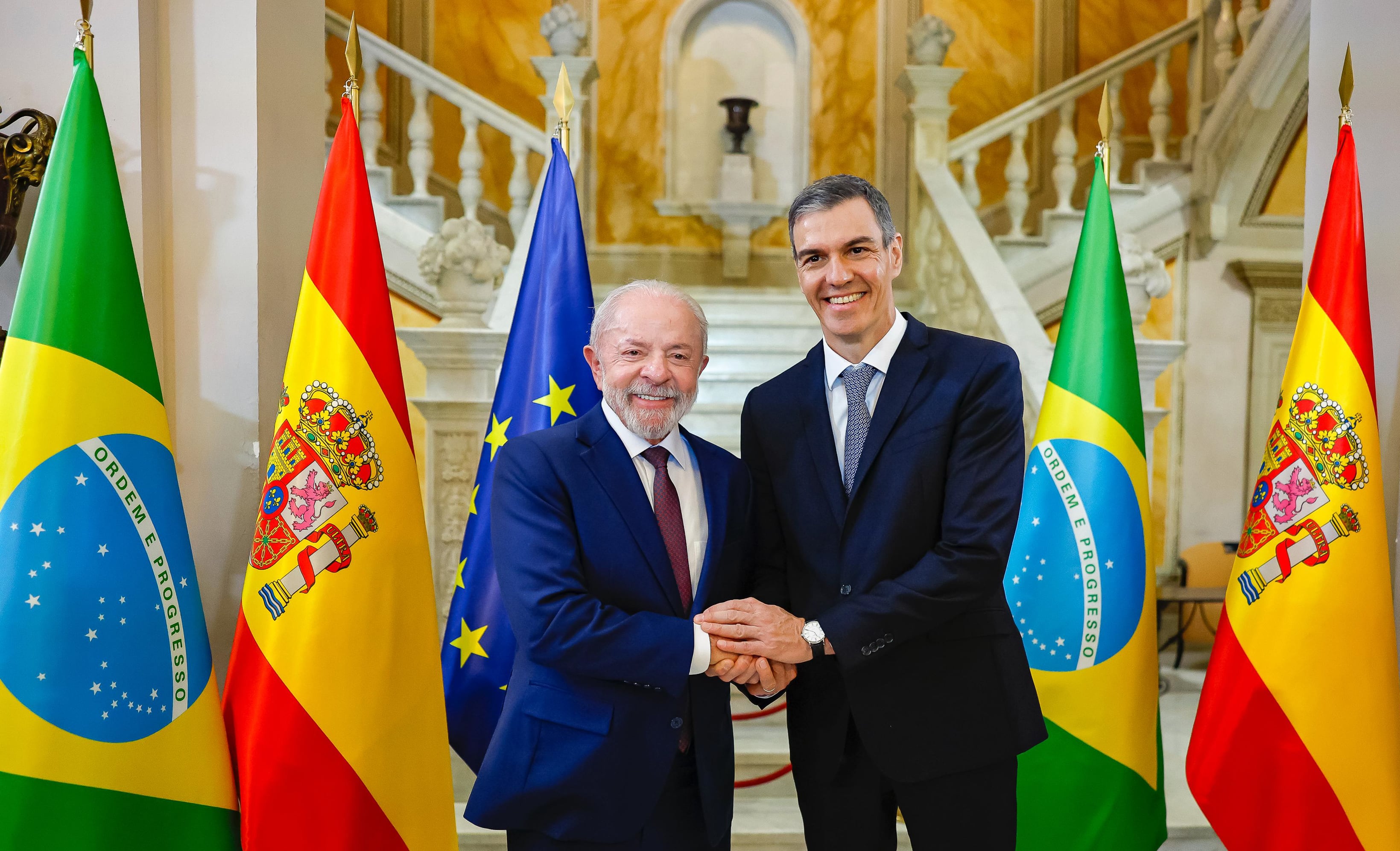
President Claudia Sheinbaum arrived in Barcelona on April 18, 2026, to participate in the IV Meeting in Defense of Democracy. Upon her arrival, journalists asked her about the tension regarding the Spanish conquest and the suffering it caused indigenous people. Sheinbaum was clear in her response, stating that while the history of indigenous people is vital to Mexico’s identity, it has not caused a breakdown in diplomatic relations with Spain. She joined other prominent figures, including Spanish Prime Minister Pedro Sánchez and Brazilian President Luiz Inácio Lula da Silva, to discuss the future of left-leaning politics.
Important Numbers and Facts
The gathering in Barcelona actually consisted of two separate but related events. The first was the Global Progressive Mobilisation, which focused on finding practical solutions to counter far-right political gains. The second was the IV Meeting in Defense of Democracy. Key leaders in attendance included Gustavo Petro of Colombia and Lula da Silva of Brazil. These leaders represent some of the largest economies and most influential voices in the Spanish-speaking and Portuguese-speaking worlds. The meetings are part of a broader effort to coordinate policy and support among progressive governments globally.
Background and Context
The tension between Mexico and Spain is not new. It stems from a request made by the Mexican government for Spain to offer a formal apology for the violence and colonization that occurred during the conquest centuries ago. Spain has consistently maintained that historical events should not be judged by modern standards and has declined to issue a formal apology. This disagreement has led to some awkward moments in recent years, including the absence of Spanish royalty at certain Mexican official events. However, Sheinbaum’s approach suggests a desire to keep the conversation going without letting it damage trade, tourism, or political cooperation between the two countries.
Public or Industry Reaction
The reaction from other leaders at the event was largely positive and focused on unity. Gustavo Petro, the President of Colombia, spoke about the meeting with great hope. He described the gathering as a "beacon toward life," suggesting that the cooperation between these nations is a necessary response to a "dangerous global disorder." Political analysts note that these meetings are essential for progressive parties that feel pressured by the growing popularity of conservative and nationalist movements in both Europe and the Americas. The tone of the event was one of urgency, with leaders calling for a more organized way to defend human rights and social progress.
What This Means Going Forward
Moving forward, we can expect Mexico to continue pushing for the recognition of indigenous history on the world stage. However, Sheinbaum’s comments suggest this will be done through dialogue rather than through cutting ties. The alliance formed in Barcelona will likely lead to more frequent meetings between these leaders. They plan to share "recipes" or strategies for governance that focus on social equality and democratic strength. For Spain and Mexico, the relationship will likely remain complex, but the focus will shift toward shared economic goals and fighting common political challenges together.
Final Take
President Sheinbaum’s visit to Barcelona shows that Mexico is committed to being a leader in the global progressive movement. By addressing the rumors of a diplomatic crisis head-on, she has cleared the way for more productive talks with European allies. The meeting highlights that while history is a powerful force that shapes national identity, the need for modern cooperation is often more pressing. These leaders are betting that by working together, they can provide a stable alternative to the political shifts happening around the world.
Frequently Asked Questions
Is there a diplomatic crisis between Mexico and Spain?
No. President Claudia Sheinbaum explicitly stated that there is no diplomatic crisis, although both countries continue to discuss how to handle their shared history.
Who were the main leaders at the Barcelona meeting?
The meeting included President Claudia Sheinbaum of Mexico, President Lula da Silva of Brazil, President Gustavo Petro of Colombia, and Prime Minister Pedro Sánchez of Spain.
What was the main goal of the Global Progressive Mobilisation?
The main goal was to bring together left-wing and progressive parties to develop strategies to protect democracy and counter the rise of far-right political movements globally.