Summary
Iran has officially announced the reopening of the Strait of Hormuz, a vital path for the world’s oil supply. This decision comes after a truce was reached with the United States, though the situation remains tied to a ceasefire in Lebanon. Following the news, global oil prices dropped by 10% on Friday, marking the lowest price point since the conflict between the U.S., Israel, and Iran began. While this is a major step toward fixing the global energy crisis, experts warn that the path to a full recovery will be long and difficult.
Main Impact
The immediate impact of this announcement was felt in the financial markets. Oil prices saw a massive 10% crash in a single day, providing much-needed relief to a global economy that has been struggling with high energy costs. For months, the threat of a closed Strait of Hormuz kept prices high and businesses worried. Now that ships can move again, the cost of shipping and fuel is expected to go down. However, the energy market is still on edge because a formal peace treaty has not been signed yet, and political tensions remain high.
Key Details
What Happened
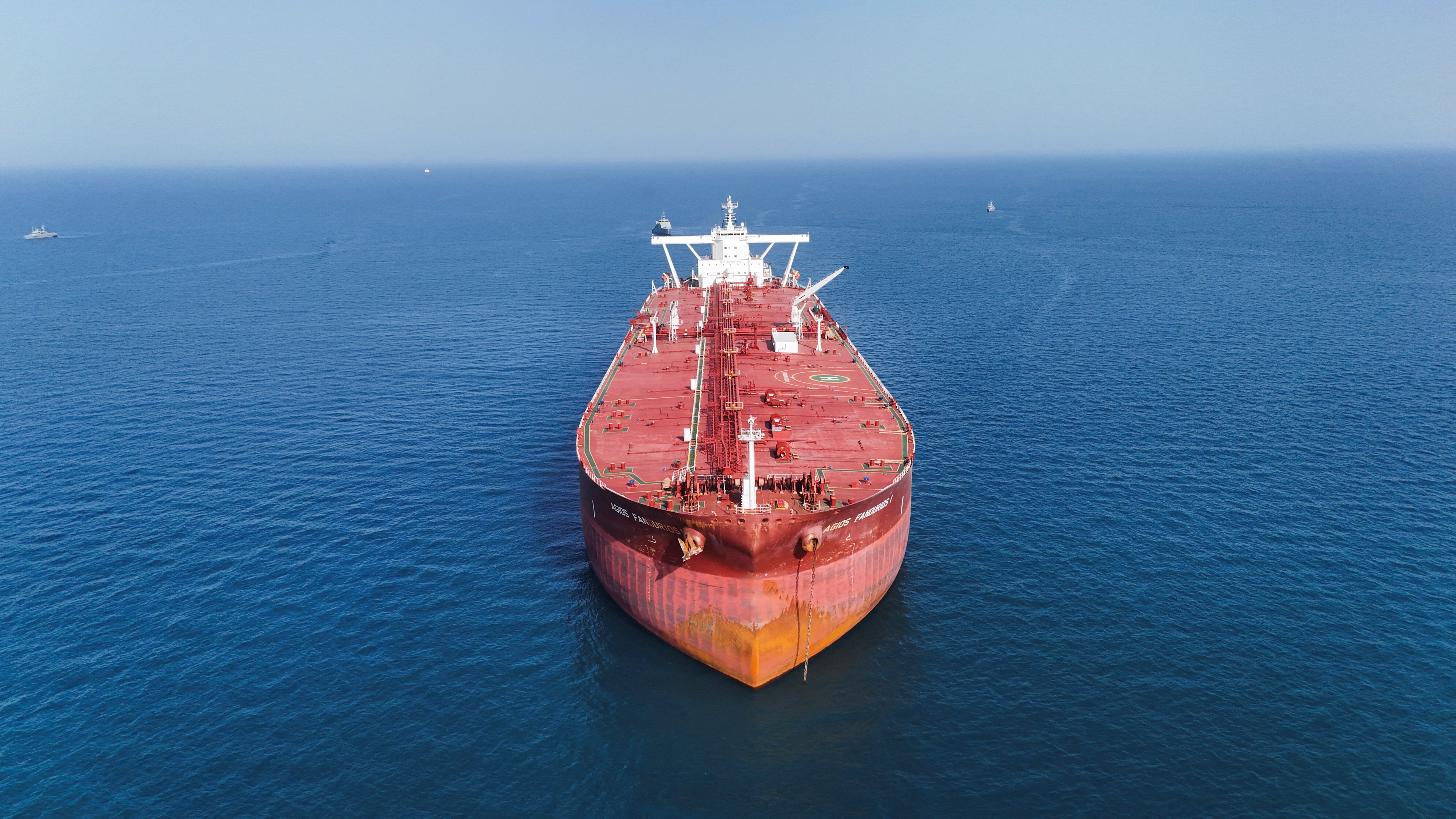
Iran decided to open the Strait of Hormuz as part of a temporary agreement with the United States. This move is also connected to the hope of a ceasefire between Israel and groups in Lebanon. The strait is one of the most important water passages in the world because it connects oil producers in the Middle East to markets in Europe, Asia, and North America. When it was closed or threatened, the global supply of oil was cut off, causing prices to jump everywhere.
Important Numbers and Facts
On Friday, April 17, 2026, oil prices fell by 10%, reaching their lowest level in months. This drop happened almost immediately after the news from Tehran was confirmed. Even with this good news, the political situation is complicated. Donald Trump has stated that he intends to keep a blockade in place, which could slow down how quickly oil starts flowing again. The market is also watching the Ibex 35 and other major stock indexes, which reacted strongly to the sudden change in energy costs.
Background and Context
To understand why this matters, you have to look at how the world gets its energy. The Strait of Hormuz is a narrow stretch of water that carries about 20% of the world's total oil consumption. If this "choke point" is blocked, the world loses a huge portion of its fuel overnight. This leads to higher prices at gas stations and makes it more expensive to transport food and goods. The recent conflict involving the United States, Israel, and Iran put this trade route in danger, leading to a "petroleum shock" that hurt many countries' economies.
Public or Industry Reaction
Energy experts and market analysts have expressed a mix of relief and caution. On one hand, the 10% drop in oil prices is a sign that the worst of the supply crisis might be over. Investors in the stock market reacted positively, hoping that lower energy costs will help stop inflation. On the other hand, many industry leaders are worried about the lack of a permanent peace deal. They argue that as long as there is no final agreement, the strait could be closed again at any moment. Shipping companies are also waiting for safety guarantees before sending their largest tankers back into the area.
What This Means Going Forward
The next few weeks will be critical for the energy industry. While the strait is technically open, it will take time for oil shipments to return to their normal levels. Ships need to be scheduled, insurance companies need to lower their risk ratings for the area, and security checks must be performed. Furthermore, the stance of the U.S. government under Donald Trump will play a huge role. If the blockade continues, it may limit how much oil Iran can actually sell, even if the water is open for travel. The world is watching to see if the ceasefire in Lebanon holds, as that is a major condition for keeping the strait open.
Final Take
The reopening of the Strait of Hormuz is the first real sign of hope for the global energy market after a period of intense conflict. While the 10% drop in oil prices is a great start, the world is not out of the woods yet. True stability will only come when there is a lasting peace and a clear plan for international trade in the region. For now, consumers can expect some relief at the pump, but the global economy remains sensitive to any new political shifts.
Frequently Asked Questions
Why did oil prices drop so quickly?
Prices dropped because the Strait of Hormuz is the most important route for oil trade. When Iran announced it would reopen the strait, investors realized that more oil would soon be available, which naturally lowers the price.
Is the conflict between the U.S. and Iran over?
No, the conflict is not fully over. There is a truce and a temporary agreement to open the trade route, but a formal peace treaty has not been signed, and some blockades are still in place.
How does this affect the average person?
When oil prices fall, it usually leads to lower gas prices at the station. It also makes it cheaper for companies to move goods, which can help slow down the rising cost of groceries and other products.