Summary
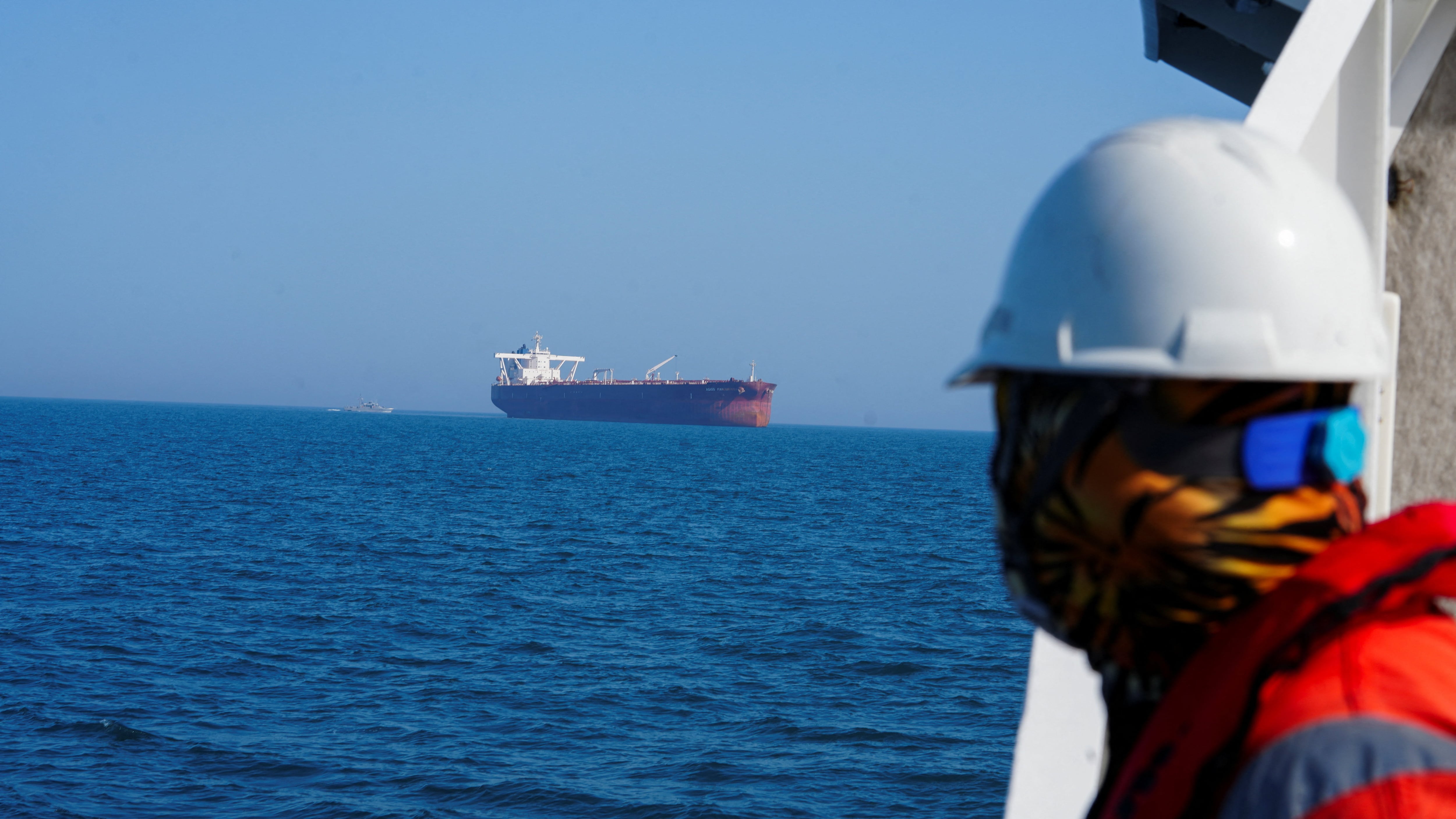
Iran has announced that the Strait of Hormuz will remain fully open for shipping. This decision is tied to a temporary ceasefire currently in place between Iran and the United States. The agreement to keep the water path open is set to last until at least next Wednesday. This move comes after nearly two months of intense conflict involving Iran, Israel, and the United States. While Iran is opening the path, President Donald Trump has stated that the U.S. will continue its own blockade for now.
Main Impact
The decision to keep the Strait of Hormuz open has a massive effect on the global economy. This narrow stretch of water is one of the most important shipping lanes in the world. Most of the oil from the Middle East must pass through this area to reach other countries. When the strait is threatened or closed, oil prices usually go up very quickly. This affects the cost of gas and electricity for people all over the world.
However, the impact is complicated by the U.S. position. Even though Iran says the water is open, the U.S. military is still maintaining a blockade. This means there is still a lot of tension in the region. Shipping companies are nervous about sending their boats through the area because they do not know if it is truly safe. The mixed messages from Iran and the U.S. create a lot of uncertainty for international trade.
Key Details
What Happened
On Friday, Iranian officials confirmed that they would not block ships from moving through the Strait of Hormuz. They linked this decision directly to the ceasefire agreement. The ceasefire was created to allow for peace talks to happen. These talks are meant to end the war that started about eight weeks ago. Iran is using the opening of the strait as a sign that they are willing to negotiate, but they have also warned that this could change if the talks do not go well.
Important Numbers and Facts
The current ceasefire is scheduled to end this coming Wednesday. This gives negotiators only a few days to reach a new agreement. The war has been going on for nearly 60 days, causing significant damage and loss of life. In the first round of peace talks, the two sides could not agree on terms, leading to a failure of the discussions. President Trump has mentioned that a second round of talks might begin as early as this weekend. About 20% of the world's total oil supply passes through the Strait of Hormuz, making it a vital point for global energy security.
Background and Context
To understand why this matters, it is important to know what the Strait of Hormuz is. It is a very narrow body of water that connects the Persian Gulf to the rest of the world's oceans. Because it is so narrow, it is very easy for a military to block it. For decades, Iran has used the threat of closing the strait as a way to gain power in arguments with other countries.
The current conflict is one of the most serious in recent years. It involves not just Iran and the U.S., but also Israel. The fighting has led to many ships being attacked or stopped in the region. This has forced many companies to take much longer and more expensive routes to move their goods. The ceasefire was a surprise to many, and the world is watching to see if it will lead to a lasting peace or if the fighting will start again next week.
Public or Industry Reaction
The reaction to this news has been mixed. Many world leaders are relieved that the strait is open, as it helps keep oil prices stable. They are encouraging both sides to keep talking and to extend the ceasefire. However, many experts in the shipping industry are still worried. They point out that a "fully open" strait does not mean much if the U.S. is still enforcing a blockade.
President Trump’s insistence on keeping the blockade has received support from some who believe that strong pressure is the only way to make Iran change its actions. Others argue that the blockade makes it harder to reach a peace deal. Within Iran, the government is trying to show its people that it is in control of the situation while also trying to manage the economic damage caused by the war and the blockade.
What This Means Going Forward
The next few days are very important. If the second round of talks this weekend is successful, we might see the ceasefire extended for several more weeks. This would give more time for a permanent peace deal to be written. If the talks fail again, the ceasefire will likely end on Wednesday. If that happens, the fighting could resume, and Iran might decide to close the Strait of Hormuz again.
For the average person, this means that gas prices might stay steady for a few days, but they could jump up quickly if the news from the talks is bad. Shipping companies will be watching the news every hour to decide if they should send their ships through the strait or keep them away. The situation remains very fragile, and any small mistake by either military could lead to more fighting.
Final Take
The opening of the Strait of Hormuz is a positive step, but it is only a temporary fix. The real test will be the peace talks happening this weekend. Without a long-term agreement, the threat of a global energy crisis remains high. The world is hoping for a solution that keeps the water paths open and ends the violence for good.
Frequently Asked Questions
Why is the Strait of Hormuz so important?
It is the main path for oil ships leaving the Middle East. About one-fifth of the world's oil goes through this narrow water path. If it is closed, oil prices go up everywhere.
How long will the strait stay open?
Iran has said it will stay open until the current ceasefire ends on Wednesday. Whether it stays open after that depends on the results of the peace talks.
What is the U.S. doing in the region?
The United States is maintaining a blockade, which means they are using their military to control which ships can enter or leave certain areas. President Trump says this pressure is necessary to reach a deal.