Summary
A new 10-day ceasefire has officially started between Israel and Lebanon, marking a significant pause in recent hostilities. This temporary truce is supported by Hezbollah, the Iran-backed group based in Lebanon, which has been a primary participant in the conflict. While the fighting has stopped for now, high-level talks are continuing between the United States and Iran to find a more lasting solution. This break in violence offers a vital window for humanitarian aid and diplomatic discussions to prevent further escalation in the region.
Main Impact
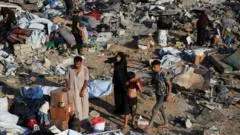
The most immediate impact of this 10-day truce is the safety of civilians living near the border. For months, residents in both northern Israel and southern Lebanon have faced constant threats from rocket fire and air strikes. This pause allows families to come out of shelters, assess damage to their homes, and access basic supplies like food and medicine. Beyond the immediate physical safety, the truce has also slowed down the rising tensions that many feared would lead to a much larger regional war.
On a global scale, the ceasefire shows that diplomacy is still possible even when tensions are at their highest. By agreeing to stop the fighting, both sides have signaled that they are willing to listen to international mediators. This has given a boost to global markets and lowered the immediate risk of a wider energy crisis, as the Middle East remains a central hub for global oil supplies.
Key Details
What Happened
The agreement for a 10-day truce was reached after several days of intense negotiations led by international diplomats. The ceasefire went into effect early this morning, and so far, both the Israeli military and Hezbollah fighters have followed the rules of the agreement. Hezbollah leaders publicly stated their support for the pause, which was a necessary step for the fighting to stop on the ground. Meanwhile, the United States has taken a lead role in talking with Iranian officials to ensure that the truce is not broken by outside influences.
Important Numbers and Facts
The truce is strictly set for a period of 10 days, ending on April 27, 2026, unless an extension is agreed upon. During this time, all offensive military actions are banned. This includes drone flights, missile launches, and ground movements near the border. Reports indicate that thousands of displaced people are now looking for ways to return to their villages, though officials warn that many areas remain dangerous due to unexploded weapons. The United States and Iran are using this 10-day window to discuss a framework for a long-term border agreement that would move armed groups further away from the frontier.
Background and Context
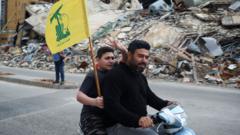
The conflict between Israel and Lebanon is not new, but it has become much more intense over the last year. The border area has been a flashpoint for decades, often involving Hezbollah. Hezbollah is a powerful political and military group in Lebanon that receives significant funding and weapons from Iran. Because of this connection, any conflict between Israel and Hezbollah often involves the interests of both the U.S. and Iran.
In simple terms, the fighting started because of disagreements over border security and regional influence. Israel wants to ensure its citizens in the north are safe from attacks, while Hezbollah claims it is defending Lebanese territory. The situation became so bad that thousands of people on both sides had to leave their homes, creating a humanitarian crisis. This 10-day truce is the first major break in the violence in several months, making it a very important moment for the region.
Public or Industry Reaction
The reaction to the ceasefire has been a mix of relief and doubt. In Lebanon, many people are using the quiet time to buy groceries and check on relatives, but there is a strong feeling that the peace might not last. In Israel, there is a similar feeling of caution. While people are glad the rockets have stopped, many are asking if the government has a plan to keep the peace long-term.
International leaders have praised the move. The United Nations called it a "necessary step toward stability." Financial experts have also noted that the truce has helped stabilize regional shipping routes, which had become dangerous for cargo ships. However, some political experts warn that if the talks between the U.S. and Iran do not produce a real result within these ten days, the fighting could return even stronger than before.
What This Means Going Forward
The next ten days will be a major test for everyone involved. Diplomats are working around the clock to turn this short break into a permanent peace deal. The main goal is to create a "buffer zone" where no armed groups are allowed to stay. If this can be achieved, it would allow people on both sides of the border to return home permanently.
However, there are many risks. A single mistake or a small attack by a rogue group could break the truce and start the war again. The role of the United States and Iran is vital here; if they can agree on how to manage their interests in the region, the ceasefire has a much better chance of holding. If the 10 days pass without a new agreement, we may see a return to heavy military action by the end of the month.
Final Take
This 10-day ceasefire is a fragile but hopeful moment for the Middle East. It proves that even the most difficult conflicts can be paused when there is enough international pressure and a willingness to talk. While ten days is a short time, it provides the space needed for leaders to choose a path of peace over a path of continued war. The world will be watching closely to see if this pause leads to a lasting change or if it is simply a brief moment of quiet before more trouble.
Frequently Asked Questions
How long will the ceasefire last?
The current agreement is for a 10-day truce. It began on April 17, 2026, and is scheduled to end on April 27, 2026, unless both sides agree to extend it.
Who is involved in the peace talks?
While the fighting is between Israel and groups in Lebanon, the main diplomatic talks are happening between the United States and Iran. These two countries are acting as mediators to help reach a long-term deal.
Can people return to their homes during the truce?
Many people are trying to return to check on their property, but officials have warned that it may still be unsafe due to damage and unexploded shells. It is recommended that residents wait for official clearance before moving back permanently.