
Summary
The TIPRA Motha party has achieved a major victory in the Tripura Tribal Areas Autonomous District Council (TTAADC) elections. This win marks a significant shift in the political environment of the state, as a local party has overtaken established national groups. The party, led by Pradyot Kishore Manikya Debbarma, focused its campaign on the rights and identity of indigenous people. This result shows that voters in the tribal areas are looking for new leadership to represent their specific needs and goals.
Main Impact
The victory of TIPRA Motha has immediate and long-term effects on the governance of Tripura. By winning a majority in the tribal council, the party now has the power to manage local laws, land rights, and economic development for a large part of the state. This win also challenges the dominance of the ruling Bharatiya Janata Party (BJP) and the once-powerful Left Front. It forces both state and national leaders to pay closer attention to the demands of the tribal population, particularly the call for a separate administrative space known as "Greater Tipraland."
Key Details
What Happened
The election for the Tripura Tribal Areas Autonomous District Council saw a high turnout of voters who were eager to choose their local representatives. TIPRA Motha emerged as the single largest party, securing enough seats to govern the council on its own. The party's message of "Thansa," which means unity among the indigenous people, resonated deeply with the public. This election was seen as a test of strength for the newly formed party, and the results confirmed its status as a major political force in the region.
Important Numbers and Facts
The council consists of 30 seats in total. Out of these, 28 seats are filled through direct elections, while the Governor appoints the remaining two. TIPRA Motha won 18 of the 28 elected seats, giving them a clear majority. The BJP, which is the ruling party in the state government, managed to win 9 seats. One seat was won by an independent candidate. A major highlight of the election was the performance of the Left Front and the Congress party, both of which failed to win a single seat. This is a historic change, as the Left Front had controlled the council for many years in the past.
Background and Context
The TTAADC is a very important body in Tripura because it governs two-thirds of the state's total land area. It was created to give tribal communities more control over their own lives and to protect their culture and traditions. For many years, the tribal population has expressed concerns about losing their land and their voice in state politics. Pradyot Kishore Manikya Debbarma, who comes from the former royal family of Tripura, left the Congress party to form TIPRA Motha. He argued that national parties do not truly understand the struggles of the indigenous people. His demand for "Greater Tipraland" is a request for more autonomy and better protection for the rights of the original inhabitants of the state.
Public or Industry Reaction
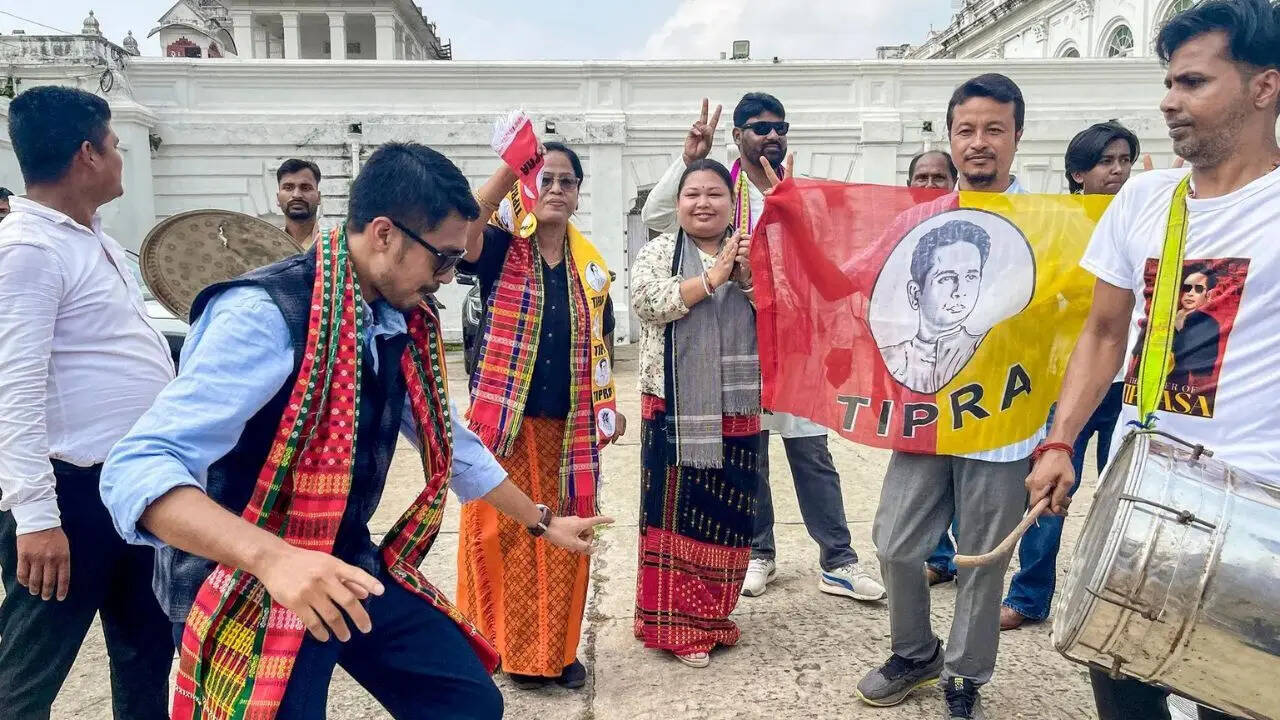
The announcement of the results led to widespread celebrations across the tribal areas. Supporters gathered in large numbers, waving party flags and celebrating what they called a "new dawn" for their community. Political experts have noted that this win shows a decline in the influence of traditional ideologies like Communism in the region. The BJP leaders stated that they respect the mandate of the people but will work hard to regain trust in the future. Meanwhile, members of the indigenous community expressed hope that the new council would focus on improving schools, healthcare, and job opportunities in the hills.
What This Means Going Forward
The success of TIPRA Motha will likely lead to more intense discussions about the future of Tripura. The party is expected to use its new power to push the central government for constitutional solutions to their demands. There may be challenges ahead as the council and the state government, led by different parties, will need to find ways to work together on funding and development projects. This victory also sets the stage for the next state assembly elections, where TIPRA Motha will likely play a role as a "kingmaker" or a primary contender. The focus will now be on whether the party can deliver on its promises of better governance and protection of tribal identity.
Final Take
This election result is a clear message that the people of the tribal areas want a leadership that puts their identity first. TIPRA Motha has successfully turned local grievances into a winning political movement. The shift away from national parties toward a regional one suggests that voters feel their specific local issues are more important than national political debates. How the party manages its new responsibilities will determine the long-term stability and growth of the region.
Frequently Asked Questions
What is TIPRA Motha?
TIPRA Motha is a regional political party in Tripura led by Pradyot Kishore Manikya Debbarma. It focuses on the rights and unity of the indigenous tribal people of the state.
What is the TTAADC?
The TTAADC stands for the Tripura Tribal Areas Autonomous District Council. It is a local government body that has the power to make laws and manage land in the tribal-dominated areas of Tripura.
What does "Greater Tipraland" mean?
"Greater Tipraland" is a political demand for a separate administrative area or state for the indigenous people of Tripura to ensure their cultural, social, and economic rights are protected.



