
Summary
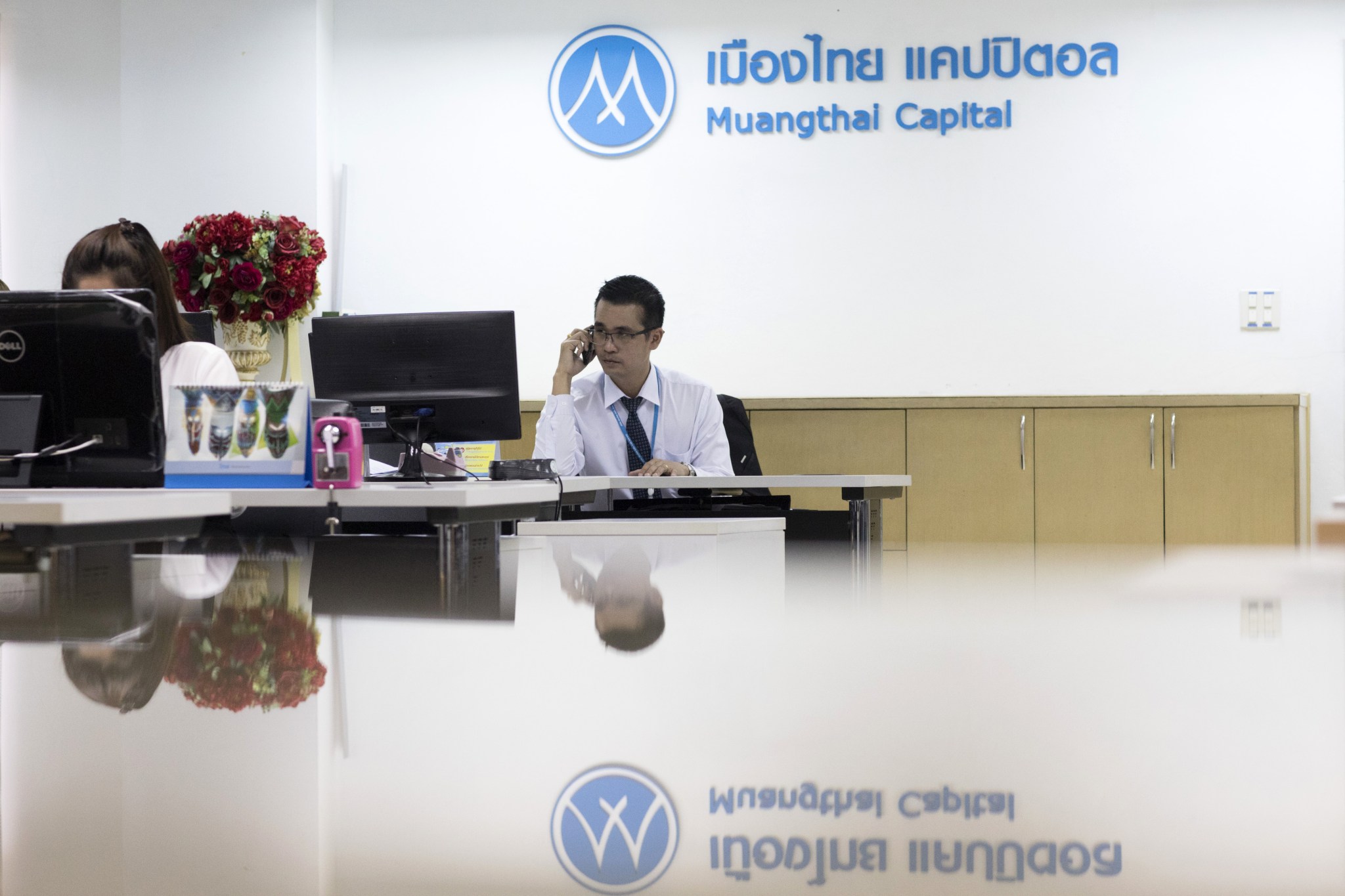
Parithad Petampai, the new CEO of Muangthai Capital, Thailand's largest microlender, is defending the role of microfinance in the country. He took over the role last August after his father was deemed legally incapacitated. Parithad argues that without companies like his, many poor Thais would struggle to pay for basic needs like school fees and medical care. The company, which started as a motorcycle financing business in 1992, now operates over 9,000 branches across Thailand.
Main Impact
Parithad Petampai's leadership comes at a time when Thailand's microfinance industry is growing quickly. The market is expected to reach 273 billion baht ($8.2 billion) by 2027. But the industry also faces criticism for high interest rates and pushing borrowers into debt. Parithad says his company helps the poorest 10% of Thailand's population, and that profits must be kept at a moderate level to create social impact.
Key Details
What Happened
Parithad Petampai became CEO of Muangthai Capital in August 2025 after a court ruled his father, Chuchat Patcharachai, was legally incapacitated. Chuchat passed away in April 2026. Parithad had worked alongside his father for nearly 12 years before taking over. His mother, Daonapa Petampai, continues as managing director, and his brother Suksit sits on the board.
Important Numbers and Facts
Muangthai Capital ranks No. 295 on Fortune's Southeast Asia 500 list. The company reported 2025 revenue of 30.74 billion baht ($936 million). It operates over 9,000 physical branches across Thailand. The company was listed on Thailand's stock exchange in 2014, raising 3 billion baht ($89.9 million) during its IPO. In September 2024, Muangthai issued a $335 million social bond on the Singapore Exchange.
Background and Context
Muangthai Capital started in 1992 as Muangthai Leasing, a motorcycle financing business. The founders, Chuchat and Daonapa, came from a poor family. Parithad's grandparents were Chinese immigrants who moved to Thailand. Before joining the family business in 2015, Parithad worked as an analyst at Goldman Sachs in London and Kasikornbank in Thailand. The company was renamed Muangthai Capital in 2018.
Microfinance in Thailand involves small, short-term loans to people and businesses with limited access to capital. Interest rates average between 28% and 33% annually. Critics say this can trap borrowers in cycles of debt. In neighboring Cambodia, microfinance borrowers owe over $3,900 on average, more than three times the median income. A World Bank watchdog recently accused Cambodian lenders of using pressure tactics.
Public or Industry Reaction
Parithad says some traditional sources of capital, like the Thai government and local banks, are wary of microfinance providers. In March 2026, the Bank of Thailand warned about rising financial costs for small businesses that rely on nano-finance loans. Parithad believes his company should receive more support from the Thai government. He notes that international organizations like the Asian Development Bank and the International Finance Corporation have provided support instead.
Parithad also says that when Muangthai faced challenges in the Thai bond market, help came from JPMorgan and foreign banks from Japan, Taiwan, and China. "Those in my country see us as a threat," he said.
What This Means Going Forward
Thailand's economy is showing signs of improvement. The stock market is up 28% year-to-date, and Moody's recently upgraded Thailand's credit outlook from negative to stable. Parithad is optimistic that Thailand can benefit from the U.S.-China trade war as trade moves to new countries. He believes Southeast Asia will become a global highlight and that Chinese technology, like electric vehicles, will impact Thailand positively.
For Muangthai Capital, the future depends on balancing profitability with social impact. Parithad says that if customers' lives improve, they will come back for bigger loans, allowing the company to grow alongside them. But the industry must address concerns about high interest rates and debt cycles to maintain trust and avoid the problems seen in neighboring Cambodia.
Final Take
Parithad Petampai is stepping into a challenging role at a critical time for Thailand's microfinance industry. He defends his company's work as essential for the country's poorest people, while acknowledging the need for responsible lending. The industry's growth and the new government's policies will shape whether microfinance becomes a tool for economic improvement or a source of deeper debt for vulnerable borrowers.
Frequently Asked Questions
What is Muangthai Capital?
Muangthai Capital is Thailand's largest microlender. It provides small, short-term loans to people and businesses with limited access to capital. The company was founded in 1992 and now operates over 9,000 branches across Thailand.
Why is microfinance controversial in Thailand?
Microfinance is controversial because lenders charge high interest rates, averaging between 28% and 33% annually. Critics say this can trap poor borrowers in cycles of debt. In neighboring Cambodia, similar practices have led to high levels of debt and pressure tactics by lenders.
What is the new CEO's vision for the company?
Parithad Petampai wants to balance profitability with social impact. He believes that if customers' lives improve, they will borrow more in the future, allowing the company to grow. He also wants more support from the Thai government and sees opportunities from the U.S.-China trade war and new technologies like electric vehicles.



