
Summary
While many big companies struggle to make money from artificial intelligence, one old logistics firm has found a way. C.H. Robinson, a 120-year-old freight broker based in Minnesota, has used AI to boost worker output by 45% since 2022. The company has also grown its earnings per share by double digits, even as its overall sales dropped by a third. The secret, according to its CEO Dave Bozeman, is not buying expensive AI tools but building simple ones in-house.
Main Impact
C.H. Robinson’s success shows that AI does not have to be flashy or costly to work. The company has deployed hundreds of small AI agents to handle routine tasks like giving price quotes to customers. What used to take a human specialist 20 minutes now takes an AI agent just 31 seconds. These agents work 24 hours a day, every day of the year. This speed has helped the company win more business and keep costs low, even during a tough period for global shipping.
Key Details
What Happened
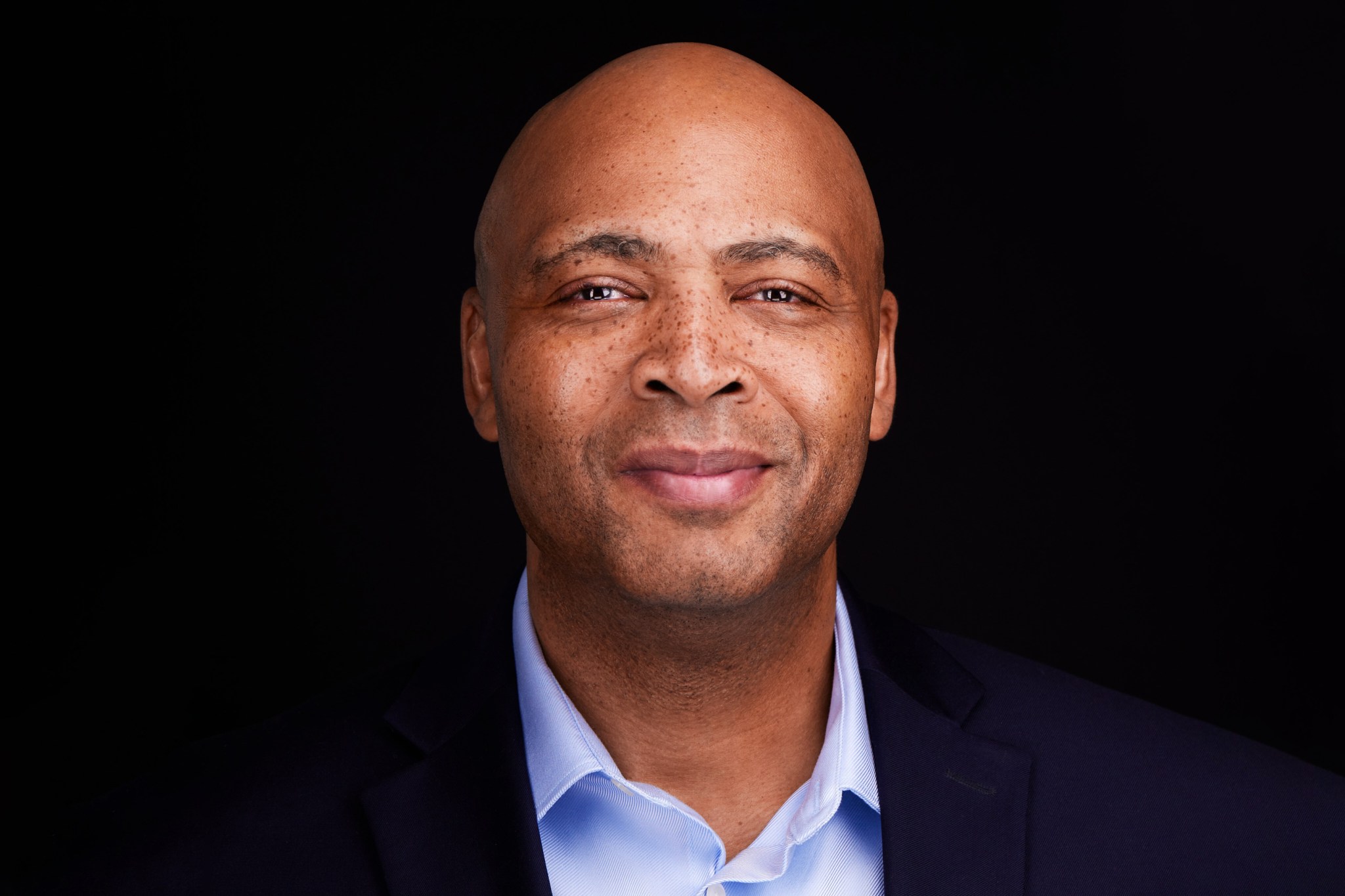
CEO Dave Bozeman took over C.H. Robinson three years ago. He brought in a management style called “Lean,” which was first used by Toyota. The idea is simple: find every step in a process that does not add value for the customer and remove it. For the steps that are essential but boring and repeatable, the company built AI agents to do them. The company now has hundreds of these agents working across different parts of the business.
Important Numbers and Facts
Employee productivity is up 45% since 2022. The company has seen double-digit growth in earnings per share since 2023. This happened even though revenues fell by about 34% in the same period due to a post-COVID slowdown in shipping. The company spends less than $2 million a year on AI computing costs but gets “hundreds of millions of dollars of benefit” from it, according to Bozeman. The company has about 450 engineers, most of whom have deep knowledge of the shipping industry.
Background and Context
C.H. Robinson is a freight broker. It helps companies ship goods, especially when they do not have enough to fill a whole shipping container. This is called “less-than-container load” freight. The shipping industry is very competitive, with thin profit margins. Speed and accuracy in giving price quotes are key to winning customers. Before AI, giving a quote was a slow, manual process. Now, AI agents do it almost instantly. This has changed the economics of the business.
Public or Industry Reaction
Bozeman is careful to say that AI is not about firing people. The company has a natural turnover rate of 11% to 14% each year. Instead of hiring new people to replace those who leave, the company uses AI agents to fill the gaps. The human workers who used to give quotes have been moved to higher-value jobs, like helping customers deal with changing trade tariffs. The company is also hiring more people for new areas, like supply chain consulting and serving small and medium-sized businesses. These new hires work alongside AI assistants.
What This Means Going Forward
Bozeman wants to turn C.H. Robinson into a “supply chain in a box.” His goal is to handle the entire supply chain for customers, so they do not need their own shipping departments. He also wants to win back small and medium-sized customers, a market where the company has lost ground. The key to all of this is building AI tools in-house, not buying them from outside vendors. Bozeman says this creates a “deep, wide moat” that competitors cannot easily copy. He also credits the company’s culture, where teams are encouraged to report problems early and celebrate failures as learning opportunities.
Final Take
C.H. Robinson’s story is a lesson for any company struggling with AI. Success does not come from buying the most expensive software. It comes from understanding your own business processes deeply, removing waste, and then building simple AI tools to handle the boring but important tasks. It also requires a culture where people are not afraid to fail and where engineers work closely with business experts. The technology is just one piece of the puzzle. The rest is good management and a clear strategy.
Frequently Asked Questions
How did C.H. Robinson get such a high return on its AI investment?
The company built most of its AI tools in-house using its own data and open-source models. This kept costs very low. The company spends less than $2 million a year on AI computing but gets hundreds of millions of dollars in benefits from higher productivity and faster customer service.
Did C.H. Robinson lay off workers because of AI?
No. The company did not fire anyone. Instead, it used AI to handle the work of employees who left naturally. The human workers were moved to higher-value jobs, like helping customers with complex problems. The company is also hiring more people for new roles that involve working alongside AI assistants.
What is the main lesson for other companies from C.H. Robinson’s success?
The main lesson is that AI success is not just about technology. It is about understanding your business processes, removing waste, and building simple AI tools to automate routine tasks. It also requires a company culture that encourages teamwork, accepts failure as part of learning, and focuses on solving real customer problems.



