
Summary
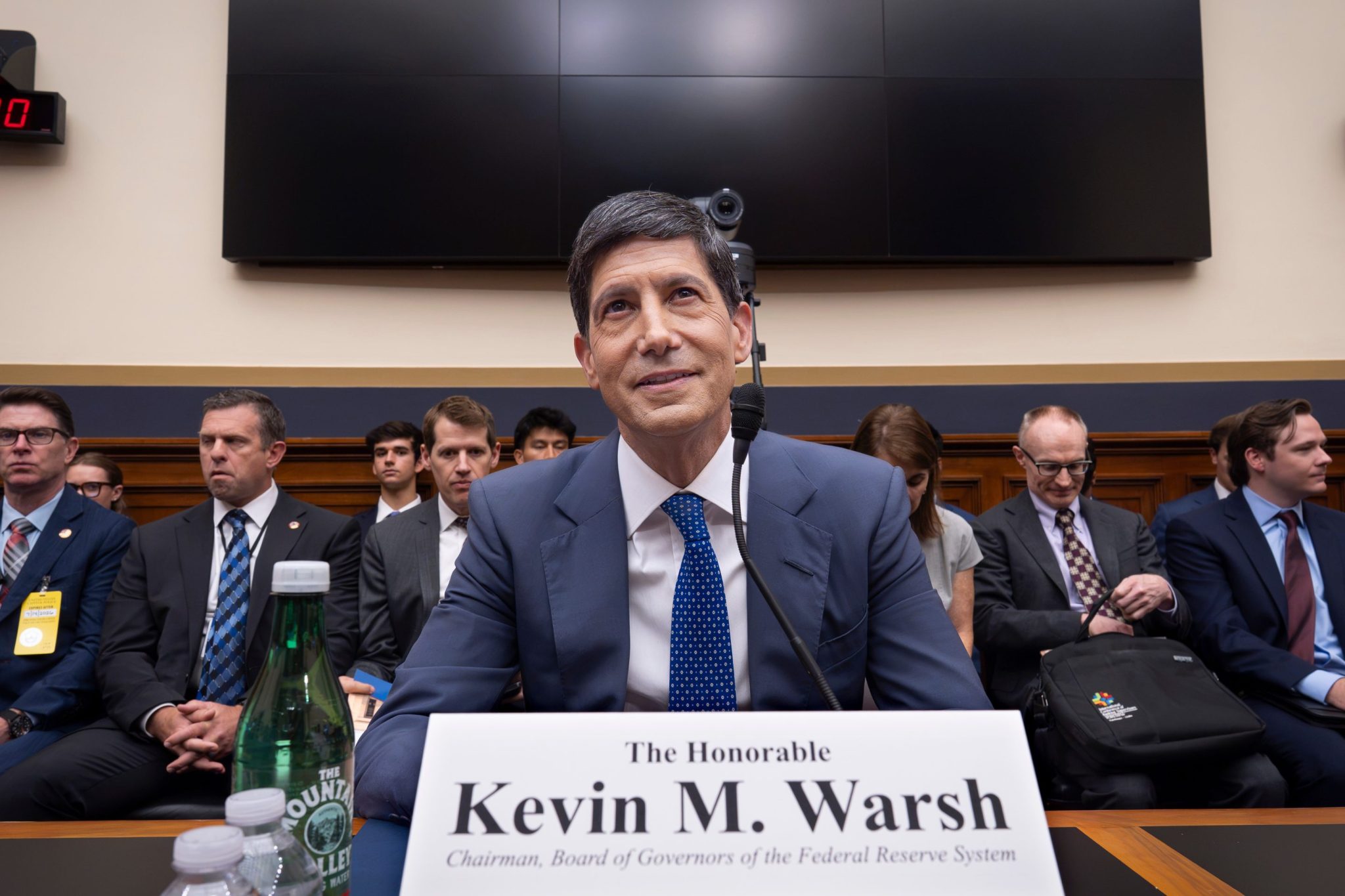
Federal Reserve Chair Kevin Warsh told Congress on Tuesday that the central bank is committed to fighting high inflation, but he did not say whether more interest rate hikes are coming. Warsh spoke to the House Financial Services Committee as new data showed inflation cooling in June. He faces a divided committee and pressure from President Donald Trump to cut rates. Warsh also noted that rising oil prices from the Middle East conflict and massive AI investment could push inflation back up.
Main Impact
Warsh’s refusal to signal the Fed’s next move leaves businesses and investors guessing about the path of interest rates. The Fed chair said the central bank has “no tolerance” for high inflation, but he also warned that one month of good data does not mean the fight is over. This uncertainty comes as the Fed’s rate-setting committee is split roughly in half, with some members expecting higher rates by year-end and others favoring cuts or no change.
Key Details
What Happened
Warsh made his first appearance before Congress since becoming Fed chair on May 22, replacing Jerome Powell. He told lawmakers the Fed is “resolutely committed to restoring price stability” but declined to say whether rate increases would be needed. Democrats pressed him on how he would handle pressure from President Trump to cut rates. Warsh said he would “follow the law and follow the data.”
Important Numbers and Facts
Inflation fell 0.4% from May to June, driven mostly by cheaper gas. Core inflation, which excludes food and energy, was unchanged in June. Compared with a year ago, inflation dropped to 3.5% from 4.2% in May. Core inflation rose just 2.6% in June, down from 2.9% in May. Still, core inflation remains above the Fed’s 2% target. Gas prices have fallen about 20% from their peak but are still 35% higher than before the U.S. attacked Iran on Feb. 28.
Background and Context
The Fed has been raising interest rates since early 2025 to fight high inflation. The central bank’s goal is to bring inflation down to 2% without causing a recession. But the economic outlook has become more complicated. The renewed conflict in the Middle East has driven up oil prices, which could reverse some of the progress on inflation. At the same time, massive investment in artificial intelligence by big tech companies is pushing up semiconductor prices, leading to higher costs for laptops, tablets, and video game consoles. Warsh called AI investment “the most striking feature of the economy right now.”
Public or Industry Reaction
Warsh’s comments drew mixed reactions. Some lawmakers praised his commitment to independence, while others worried about the lack of clear guidance. Fed Governor Christopher Waller said Monday that another “hot” inflation report would mean the Fed must consider raising rates “in the near term.” But New York Fed President John Williams said last week that if core inflation stays at a 0.2% monthly pace, the Fed could avoid hiking rates. This split among Fed officials adds to the uncertainty.
What This Means Going Forward
The Fed faces a tough balancing act. If it raises rates too much, it could slow the economy too much and cause a recession. If it does not raise rates enough, inflation could stay high. The Middle East conflict and AI investment are wild cards that could push prices up again. Warsh’s approach of giving less guidance means markets will have to watch economic data closely for clues about the next move. The Supreme Court’s recent decision to allow Fed Governor Lisa Cook to stay on the board also reinforces the central bank’s independence from political pressure.
Final Take
Warsh is walking a careful line. He wants to show the Fed is serious about fighting inflation, but he is not ready to say the job is done. With a divided committee, rising oil prices, and pressure from the White House, the path ahead is unclear. For now, the Fed will keep watching the data and waiting for more signs that inflation is truly under control.
Frequently Asked Questions
Will the Fed raise interest rates again?
Warsh did not say. The Fed is split, with some members expecting higher rates and others favoring no change. The decision will depend on future inflation data and global events like the Middle East conflict.
How does AI investment affect inflation?
Big tech companies are spending heavily on AI infrastructure, which is driving up demand for semiconductors. This has led to higher prices for memory chips and processors, pushing up costs for electronics like laptops and video game consoles.
Can President Trump force the Fed to cut rates?
No. The Fed is independent, and the Supreme Court recently ruled that the president cannot fire Fed governors without cause. Warsh said he will follow the law and the data, not political pressure.



