Summary
The United States and Iran are facing a critical deadline as a two-week ceasefire is set to expire in less than 72 hours. President Donald Trump has announced plans to send a diplomatic team to Pakistan to restart peace talks this coming Tuesday. However, the offer of a meeting comes with a severe warning that the U.S. will use extreme military force if Iran does not agree to the proposed plan. This tension follows Iran's decision to close a major oil shipping route and recent attacks on international vessels.
Main Impact
The current standoff has put the global economy and regional safety at high risk. If the two nations cannot reach an agreement before the ceasefire ends, the Middle East could enter a period of open conflict. The most immediate effect is seen in global energy markets, as the threat of war and the closure of shipping lanes drive up oil prices. For everyday people, this could mean higher costs for fuel and goods worldwide while increasing the chance of a large-scale military confrontation.
Key Details
What Happened
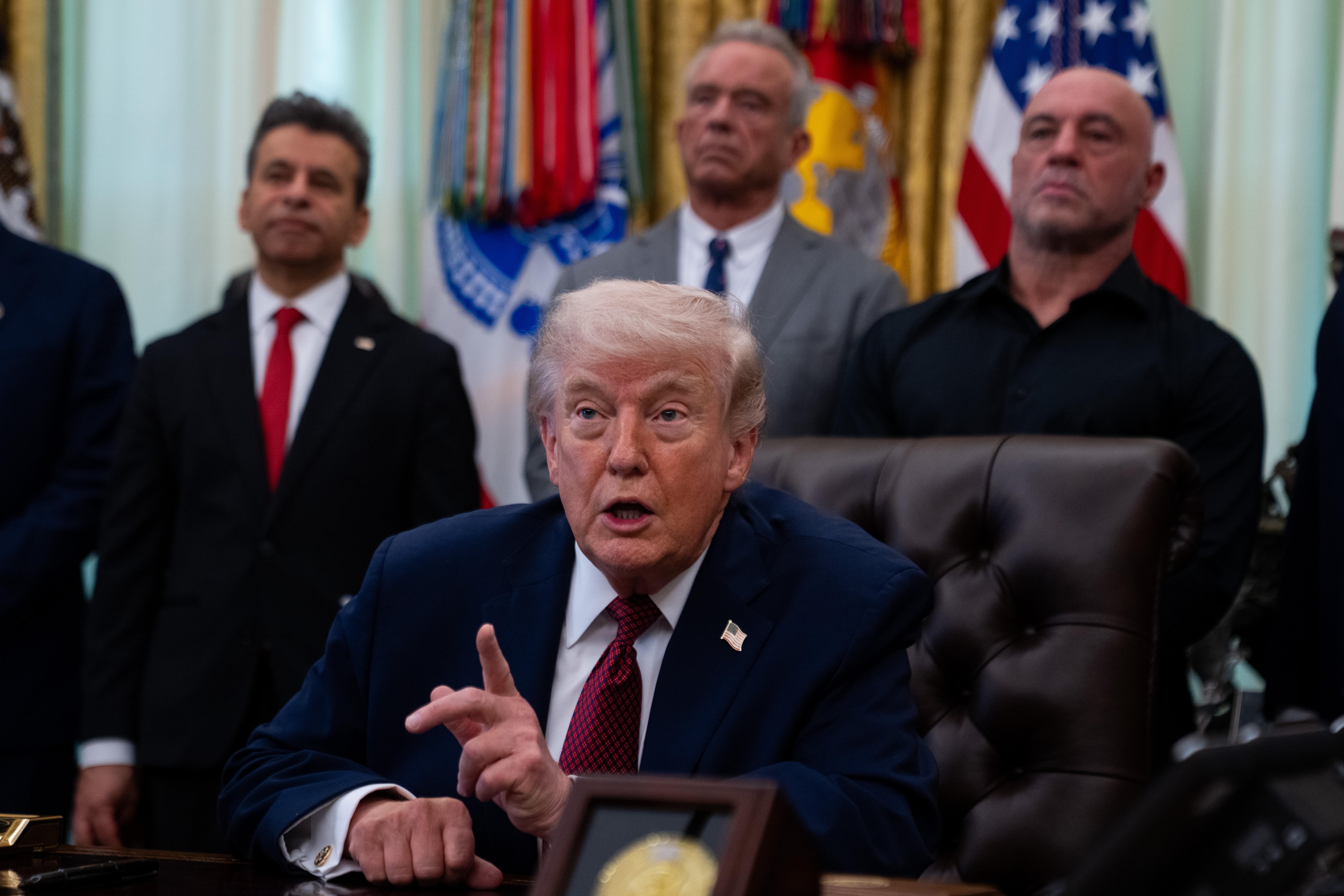
President Trump is attempting to use a "carrot and stick" approach to handle the crisis. He has scheduled a diplomatic mission to Islamabad, Pakistan, to meet with Iranian officials. At the same time, he has used very aggressive language, suggesting that the U.S. could destroy Iran’s infrastructure or "blow the country up" if they refuse his terms. Iran has responded by stating they will not attend any meetings as long as the U.S. maintains a naval blockade against them. This creates a deadlock where neither side wants to be the first to back down.
Important Numbers and Facts
The timeline for these events is moving very fast. There are fewer than 72 hours remaining before the current peace agreement ends. The ceasefire originally lasted only two weeks, which was intended to give both sides time to talk. A major point of conflict is the Strait of Hormuz, a narrow water passage where a large portion of the world's oil travels. Iran’s Islamic Revolutionary Guard has recently attacked several ships in this area, leading to the current naval blockade by U.S. forces.
Background and Context
To understand why this is happening, it is important to look at the geography of the region. The Strait of Hormuz is a vital path for oil tankers. When Iran closes this path, it stops the flow of energy to many countries. The U.S. responded to these actions by placing its own ships in the area to block Iranian movements, which Iran calls an illegal blockade. This back-and-forth cycle of actions has made it very difficult for diplomats to find common ground. The two nations have a long history of distrust, and this latest crisis is the most serious in several years.
Public or Industry Reaction
Global leaders are watching the situation with great concern. Many countries are calling for both sides to show restraint to avoid a war that could affect the entire world. Oil companies and shipping firms are worried about the safety of their crews and cargo in the region. Within Iran, the government is using the U.S. blockade as a reason to refuse negotiations, claiming they cannot talk while being "held at gunpoint." In the U.S., the President's supporters see his tough talk as a way to force a deal, while critics worry that such threats make a peaceful solution less likely.
What This Means Going Forward
The next few days will decide if there is peace or war. If the meeting in Pakistan happens on Tuesday, it could lead to a new, longer ceasefire. If the meeting is canceled because Iran refuses to attend under the blockade, the U.S. may increase its military presence. The biggest risk is a "miscalculation," where a small fight at sea turns into a full-scale war. Investors and world governments are preparing for the possibility of a sudden jump in oil prices if the 72-hour deadline passes without a new agreement.
Final Take
The world is currently waiting to see if diplomacy can win over threats of destruction. While the offer to talk in Pakistan shows a path toward peace, the aggressive language used by both sides makes that path very narrow. The situation is a high-stakes game where the safety of the global economy and millions of lives are on the line. Success depends on whether both nations can find a way to talk without feeling like they are losing face or giving up their security.
Frequently Asked Questions
What is the Strait of Hormuz?
It is a narrow and very important waterway between the Persian Gulf and the Gulf of Oman. It is the main route for oil being shipped from the Middle East to the rest of the world.
Why is there a 72-hour deadline?
This is the amount of time left before a temporary peace agreement, or ceasefire, expires. Once it ends, both countries could legally resume military actions against each other.
Why is the meeting being held in Pakistan?
Pakistan often acts as a neutral ground for countries that do not have direct diplomatic relations. It provides a safe place for officials from the U.S. and Iran to meet and discuss a potential peace deal.