Summary
Iran has officially declined to participate in the upcoming ceasefire talks scheduled to take place in Islamabad, Pakistan. This decision comes at a time of high tension as the United States maintains a naval blockade in the Strait of Hormuz. The absence of Iranian officials at the meeting table creates a significant hurdle for diplomatic efforts aimed at ending the current conflict. While the U.S. continues to push for a deal, the situation remains unstable due to new military threats and disagreements between international leaders.
Main Impact
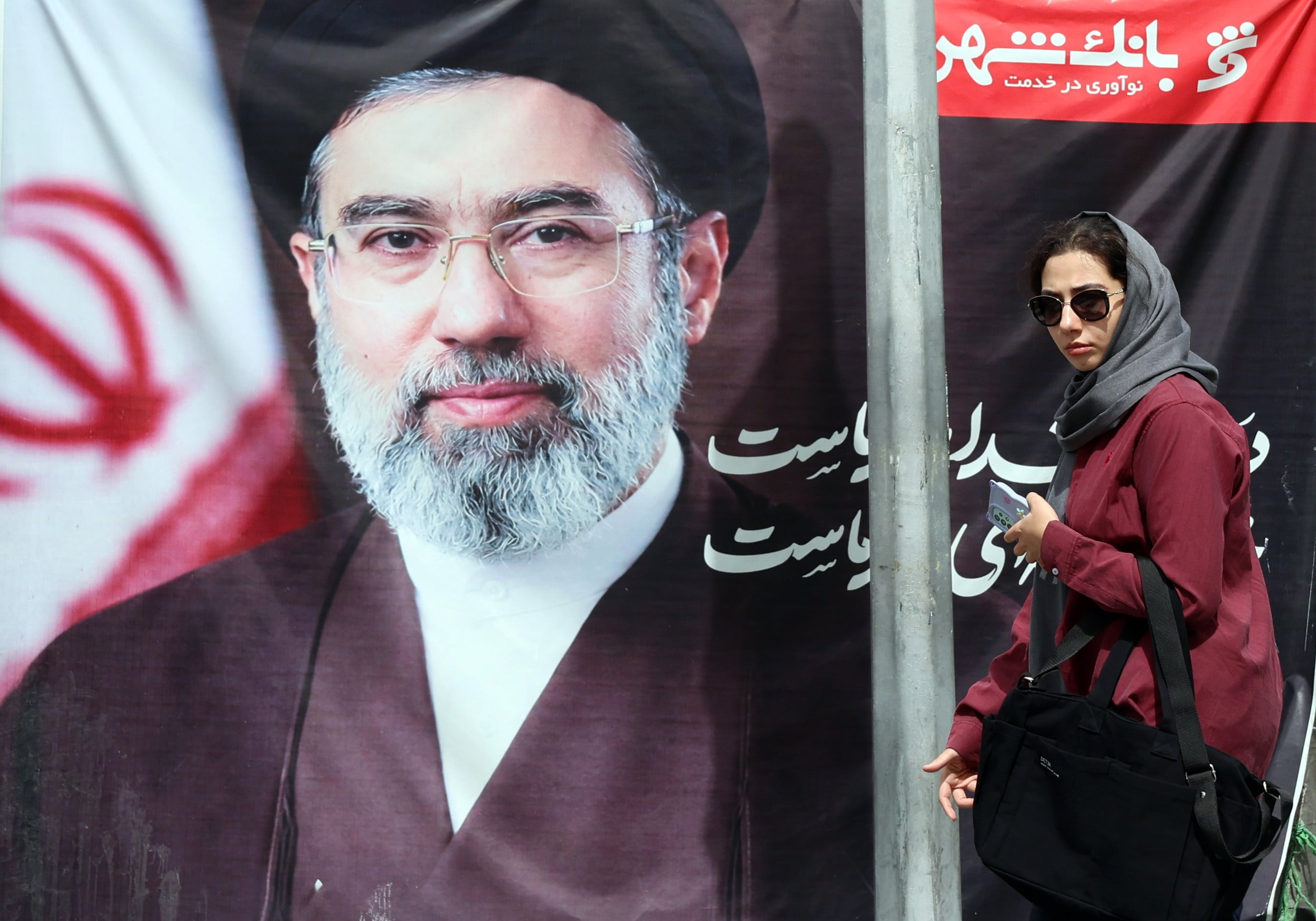
The immediate impact of Iran’s withdrawal is the stalling of peace negotiations that many hoped would lower the risk of a wider war. By refusing to send representatives, Tehran is sending a clear message that it will not negotiate while under military and economic pressure from the U.S. Navy. This move has led to a tougher stance from Washington, with President Donald Trump warning of severe military action against Iran’s internal infrastructure if a deal is not reached soon.
Key Details
What Happened
A delegation from the United States was set to arrive in Islamabad to begin a new round of talks. These meetings were intended to find a way to stop the fighting between Israel, the U.S., and Iran. However, Iranian officials decided to stay away from the talks. They pointed to the ongoing naval blockade in the Strait of Hormuz as the primary reason for their absence. This waterway is a narrow path in the sea that is very important for moving oil around the world. Iran has recently tried to close it, and the U.S. has responded by using its navy to keep it open or control who passes through.
Important Numbers and Facts
The U.S. team for these talks includes Steve Witkoff and Jared Kushner, who are close advisors to President Trump. On the military side, the situation grew more serious after an attack on Saturday involving two ships flying the Indian flag. These vessels were traveling through the Gulf when they were targeted. In response to these events and the failed start to the talks, President Trump used social media to issue a direct warning. He stated that if Iran does not accept the current proposal, the U.S. could target and destroy Iran’s power plants and bridges. This marks a significant increase in the level of threat used in the current standoff.
Background and Context
To understand why this is happening, it is important to look at the geography of the region. The Strait of Hormuz is one of the most important places in the world for the global economy. A large portion of the world's oil passes through this small area. When Iran threatens to close it, oil prices can go up, and many countries get worried about their energy supplies. The U.S. sees the closure of this strait as a major threat to global stability.
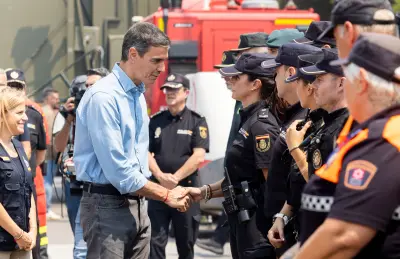
At the same time, there is a deep political divide in Europe regarding how to handle Israel. Spain has been vocal about its concerns regarding the war. The Spanish Prime Minister, Pedro Sánchez, has asked the European Union to rethink its business and political ties with Israel. This has caused a sharp disagreement between Spain and the Israeli government, adding another layer of difficulty to the international diplomatic efforts.
Public or Industry Reaction
The reaction from the Israeli government has been very strong. Israeli Foreign Minister Gideon Saar publicly criticized the Spanish Prime Minister on social media. Saar called the Spanish leader's position hypocritical and suggested that Spain is being too friendly with totalitarians, which is a word for leaders who have total control over their countries and do not allow freedom. This public argument shows that even among Western allies, there is no single plan on how to deal with the crisis in the Middle East.
Shipping companies and oil markets are also watching these events closely. The attack on the Indian ships has raised fears that commercial travel in the Gulf is no longer safe. If insurance costs for these ships go up, the price of goods and fuel could rise for people all over the world.
What This Means Going Forward
The next few days will be critical. If the U.S. delegation stays in Pakistan without Iran, they may try to work with other regional partners to put more pressure on Tehran. However, without Iran’s participation, a true ceasefire is unlikely to happen. The threat to destroy infrastructure like power plants suggests that the U.S. is prepared to move from a naval blockade to direct air strikes if the deadlock continues. This could lead to a much larger war that involves more countries in the region. Observers are also waiting to see if the European Union will take any action regarding its agreements with Israel, as suggested by Spain.
Final Take
The refusal of Iran to join the Islamabad talks shows that simple diplomacy is failing. Both sides are now using very aggressive language and military moves to try and get what they want. While the U.S. wants to force Iran into a deal through blockades and threats, Iran is using its control over sea routes to push back. This cycle of threats makes it very hard for peace to take hold. The world is now watching to see if someone will blink first or if the situation will turn into a full-scale military conflict.
Frequently Asked Questions
Why did Iran refuse to join the peace talks?
Iran decided not to attend because the United States is currently maintaining a naval blockade in the Strait of Hormuz. Iran says it will not negotiate as long as this blockade continues.
What did Donald Trump threaten to do?
President Trump warned that if Iran does not agree to the proposed terms, the U.S. military could destroy important Iranian infrastructure, specifically mentioning power plants and bridges.
Why is the Strait of Hormuz so important?
The Strait of Hormuz is a vital sea route used to transport a large amount of the world's oil. Any conflict or closure in this area can cause global oil prices to rise and disrupt energy supplies.