Summary
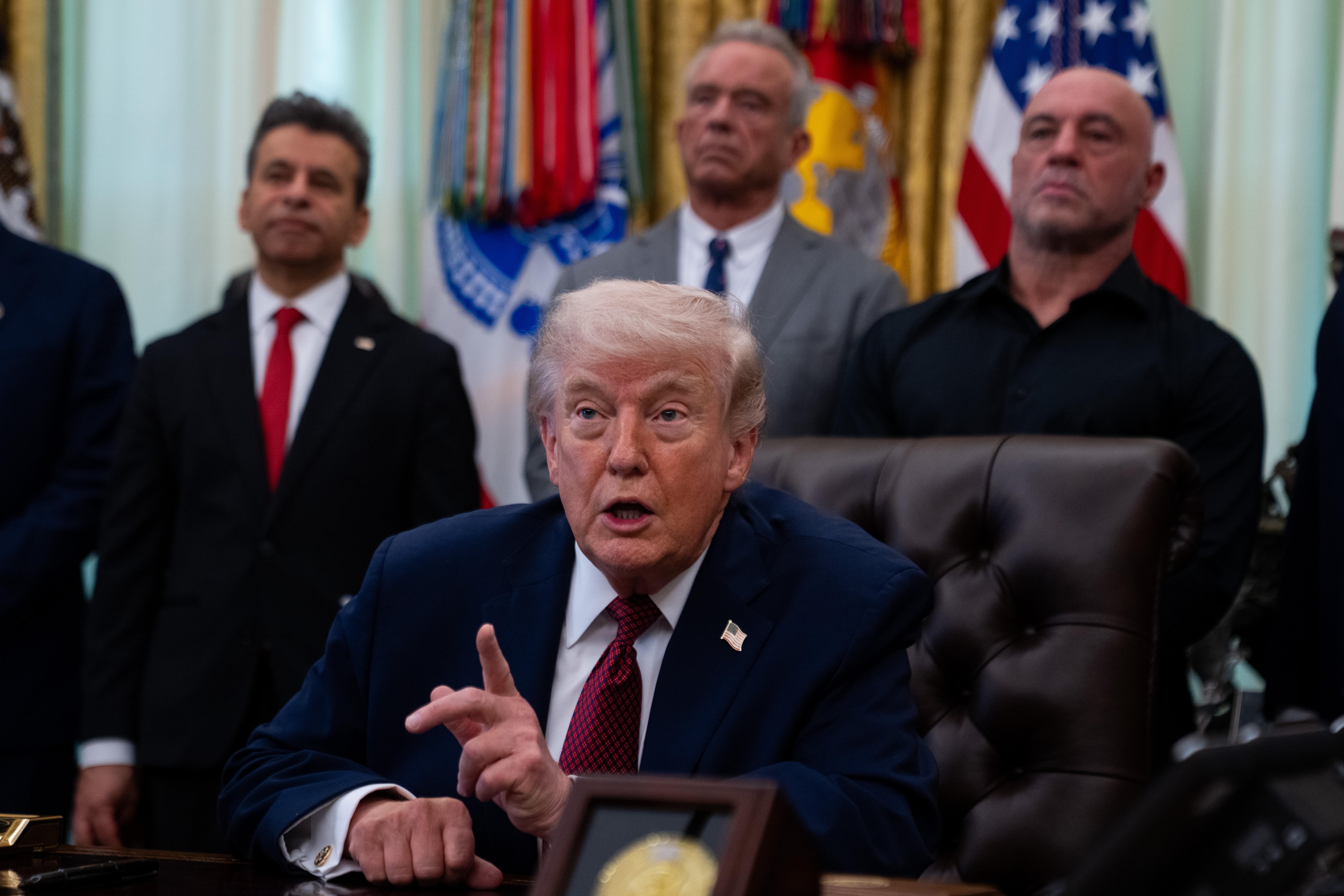
President Donald Trump is making a final attempt to reach a peace deal with Iran as a two-week ceasefire nears its end. With less than three days left before the truce expires, the U.S. leader has announced a new diplomatic meeting in Pakistan. However, the offer came with a severe warning that the U.S. would use extreme military force if Iran does not agree to the proposed plan. Iran has already signaled it may skip the talks due to an ongoing naval blockade.
Main Impact
The primary impact of this development is a sharp increase in the risk of a full-scale war in the Middle East. The ceasefire was intended to provide a window for peace, but instead, tensions have reached a breaking point. If the scheduled talks in Islamabad do not happen or fail to produce a result, the region could face a military conflict that would disrupt global oil supplies and threaten international security. The aggressive language used by the U.S. president suggests that the time for quiet diplomacy is running out.
Key Details
What Happened
The situation turned critical after Iran recently closed the Strait of Hormuz, a vital water route for the world's oil. In response to this and attacks on several ships by the Iranian Revolutionary Guard, President Trump decided to send a group of diplomats to Islamabad, Pakistan. This meeting is set for this coming Tuesday. Despite the offer to talk, Trump used very strong language, stating he would "blow Iran sky high" if they refused to follow his peace plan. Iran’s government responded through its state news agency, saying they will not attend any meetings as long as U.S. ships are blocking their ports.
Important Numbers and Facts
Time is the most important factor in this crisis. There are fewer than 72 hours remaining before the current ceasefire agreement officially ends. The truce was originally set for a period of two weeks, but it has been shaky from the start. The meeting in Pakistan is scheduled for Tuesday, April 21, 2026. If no agreement is reached by the time the clock runs out, both nations may return to active military operations. The Strait of Hormuz, which Iran has blocked, is responsible for the passage of about 20% of the world's total oil consumption.
Background and Context
To understand why this is happening, it is important to know about the Strait of Hormuz and the naval blockade. A naval blockade is when one country uses its warships to stop goods or people from entering or leaving another country's ports. The U.S. has been using its navy to limit Iran's ability to trade. In return, Iran blocked the Strait of Hormuz, which is a very narrow path in the ocean. Because so much of the world's oil travels through this path, closing it makes oil prices go up everywhere. This back-and-forth struggle has led to the current standoff where both sides are threatening to use their full military power.
Public or Industry Reaction
The reaction from the international community has been one of deep concern. Oil markets have shown signs of stress, with prices starting to rise as the 72-hour deadline approaches. Shipping companies are worried about the safety of their vessels in the region. Within Iran, the government is standing firm, using the Tasnim news agency to tell the world they will not be bullied into a meeting while their economy is being squeezed by the U.S. Navy. Meanwhile, political observers in the U.S. are divided on Trump's tactics, with some praising his strength and others fearing his words will make a peaceful solution impossible.
What This Means Going Forward
The next few days will decide if there is peace or war. If the U.S. does not ease its naval blockade, Iran is unlikely to show up in Pakistan on Tuesday. Without that meeting, the ceasefire will likely end without a new deal. This would leave the door open for the military action Trump has threatened. The world will be watching to see if either side is willing to move back from their current positions. If the talks do happen, the focus will be on whether Iran is willing to accept Trump's specific terms to avoid a massive military strike.
Final Take
The world is currently watching a dangerous game of high-stakes negotiation. While the plan to meet in Pakistan offers a small glimmer of hope, the harsh threats and the refusal to move the naval blockade show how far apart the two sides remain. With the 72-hour deadline fast approaching, the window for a peaceful outcome is closing quickly. The choices made in the next two days will have a lasting effect on global stability and the price of energy for everyone.
Frequently Asked Questions
Why is the Strait of Hormuz so important?
It is a narrow waterway that connects oil-producing countries in the Middle East to the rest of the world. About one-fifth of the world's oil passes through it, so any closure causes global energy prices to rise.
What is the deadline for the ceasefire?
The ceasefire is set to expire in less than 72 hours from April 19, 2026. This means a new agreement must be reached by Tuesday or Wednesday to avoid further conflict.
Why does Iran refuse to go to the meeting in Pakistan?
Iran says it will not negotiate while the United States maintains a naval blockade. They want the U.S. to move its warships and allow trade to flow freely before they sit down for peace talks.