Summary
The United States has issued a direct military threat to Iran, warning of immediate air strikes if the country refuses to return to the negotiating table. Secretary of Defense Pete Hegseth stated that the U.S. is prepared to target Iran's energy infrastructure following the failure of recent talks in Pakistan. This escalation occurs as the U.S. maintains a strict blockade on the Strait of Hormuz, a vital route for global oil. Meanwhile, Israel has intensified its military operations in Lebanon but is also considering a brief ceasefire window to allow for high-level diplomatic talks.
Main Impact
The threat of bombing energy sites marks a significant shift in the conflict, moving from economic pressure to the brink of direct kinetic warfare. If the U.S. follows through, the destruction of power plants and oil facilities would cause a massive energy crisis in the region and send global oil prices soaring. The ongoing blockade of the Strait of Hormuz already limits the flow of goods, and this new threat suggests that the U.S. government is losing patience with diplomatic delays. The situation has put the entire Middle East on high alert as the risk of a wider war grows.
Key Details
What Happened
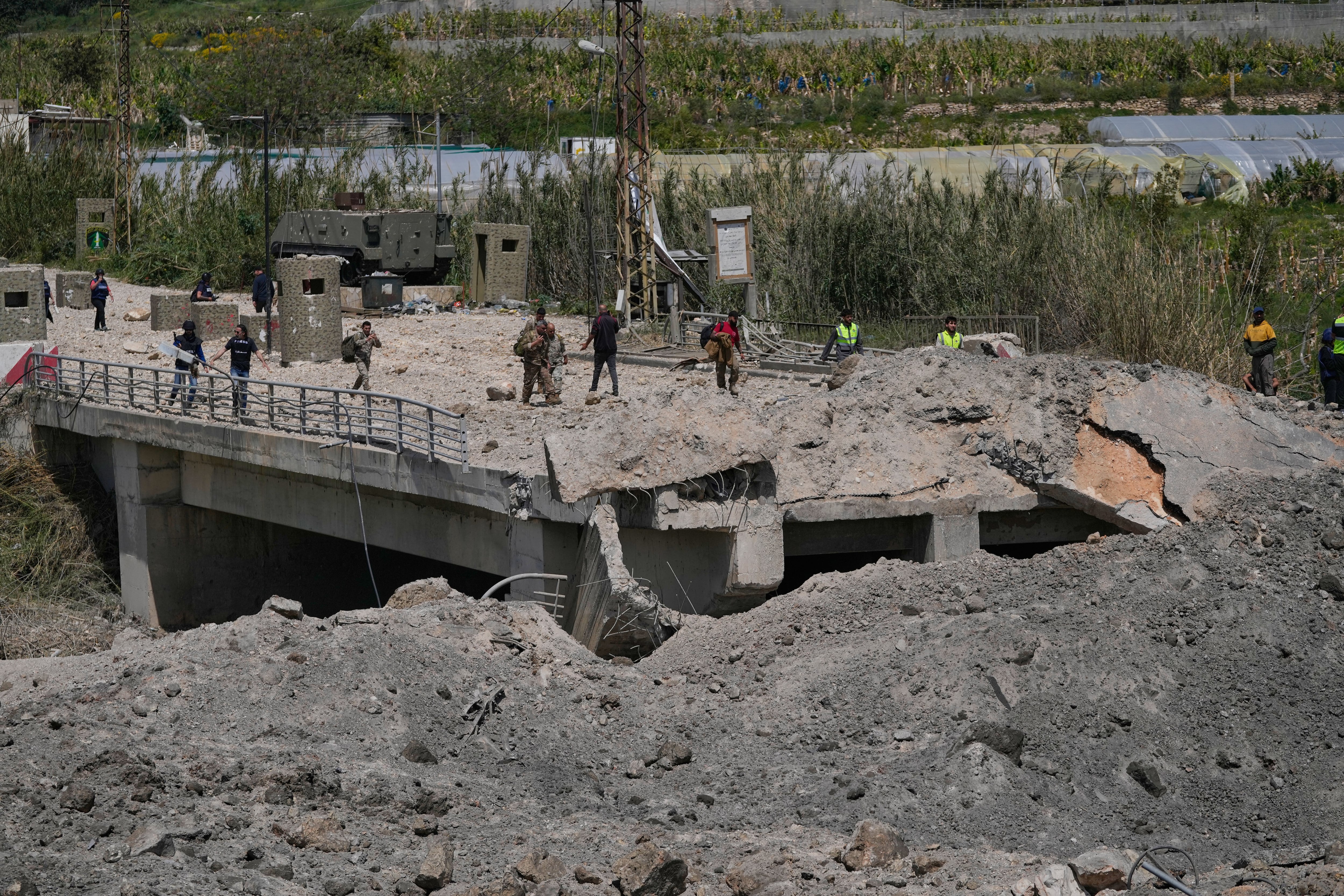
Secretary of Defense Pete Hegseth made his first public appearance at the Pentagon since the U.S. began blocking the Strait of Hormuz. His message was clear: Iran must accept a new deal or face the destruction of its most important national assets. This warning follows a failed round of negotiations held in Islamabad, Pakistan, where both sides were unable to reach an agreement. On the ground in Lebanon, the Israeli military destroyed the final bridge connecting the southern part of the country to the north, effectively cutting off supply lines and movement for residents in that area.
Important Numbers and Facts
The Israeli military is reportedly preparing for a temporary ceasefire that would last only five hours, from 7:00 PM to midnight local time. This short pause is intended to create space for a scheduled conversation between Israeli Prime Minister Benjamin Netanyahu and Lebanese President Joseph Aoun. These talks are being mediated by the United States. Despite this potential pause, the destruction of infrastructure in Lebanon has been extensive, with the loss of the last southern bridge being a major tactical development in the current campaign.
Background and Context
The conflict between the U.S., Israel, and Iran has been building for months. The Strait of Hormuz is a narrow waterway where a large portion of the world's oil passes every day. By blocking this area, the U.S. is trying to starve the Iranian economy of its main source of income. Iran has previously warned that any interference with its trade would lead to a strong response. The war in Lebanon is a separate but related front, where Israel is fighting to stop attacks on its northern border. The involvement of the U.S. as both a military force and a mediator shows how complex the situation has become.
Public or Industry Reaction
Global markets are reacting with concern to the news of potential strikes on energy sites. Oil traders are watching the Strait of Hormuz closely, as any further disruption could lead to a global shortage. Within Israel, government officials like Minister Gila Gamliel have confirmed that high-level talks are the current priority, even as the military continues its strikes. In Lebanon, the destruction of the last bridge has caused alarm among humanitarian groups, who warn that civilians in the south are now trapped without a clear way to receive aid or escape the fighting.
What This Means Going Forward
The next 24 hours are critical for the region. If the scheduled talks between the leaders of Israel and Lebanon lead to a longer ceasefire, it could provide a blueprint for de-escalation. However, the threat against Iran remains the biggest wild card. If Iran does not show signs of compromise, the U.S. may begin air strikes, which would likely lead to a direct military response from Tehran. The world is waiting to see if the five-hour ceasefire in Lebanon is a sign of peace or simply a brief pause before more intense fighting begins.
Final Take
The transition from economic sanctions to direct military threats against energy infrastructure shows that the U.S. is committed to a "maximum pressure" strategy. While diplomatic channels remain open between Israel and Lebanon, the shadow of a much larger war with Iran hangs over every move. The coming days will determine if the region moves toward a fragile peace or a much larger and more destructive conflict.
Frequently Asked Questions
Why is the Strait of Hormuz important?
The Strait of Hormuz is a key shipping lane for global oil. About 20% of the world's total oil supply passes through this narrow stretch of water, making it vital for the global economy.
What did Pete Hegseth threaten to do?
The U.S. Secretary of Defense threatened to bomb Iran's key energy infrastructure, such as oil and power facilities, if the country does not agree to a new diplomatic pact.
Is there a ceasefire in Lebanon?
There is a report of a very short ceasefire planned for five hours between 7:00 PM and midnight. This is intended to allow for high-level talks between the leaders of Israel and Lebanon.