Summary
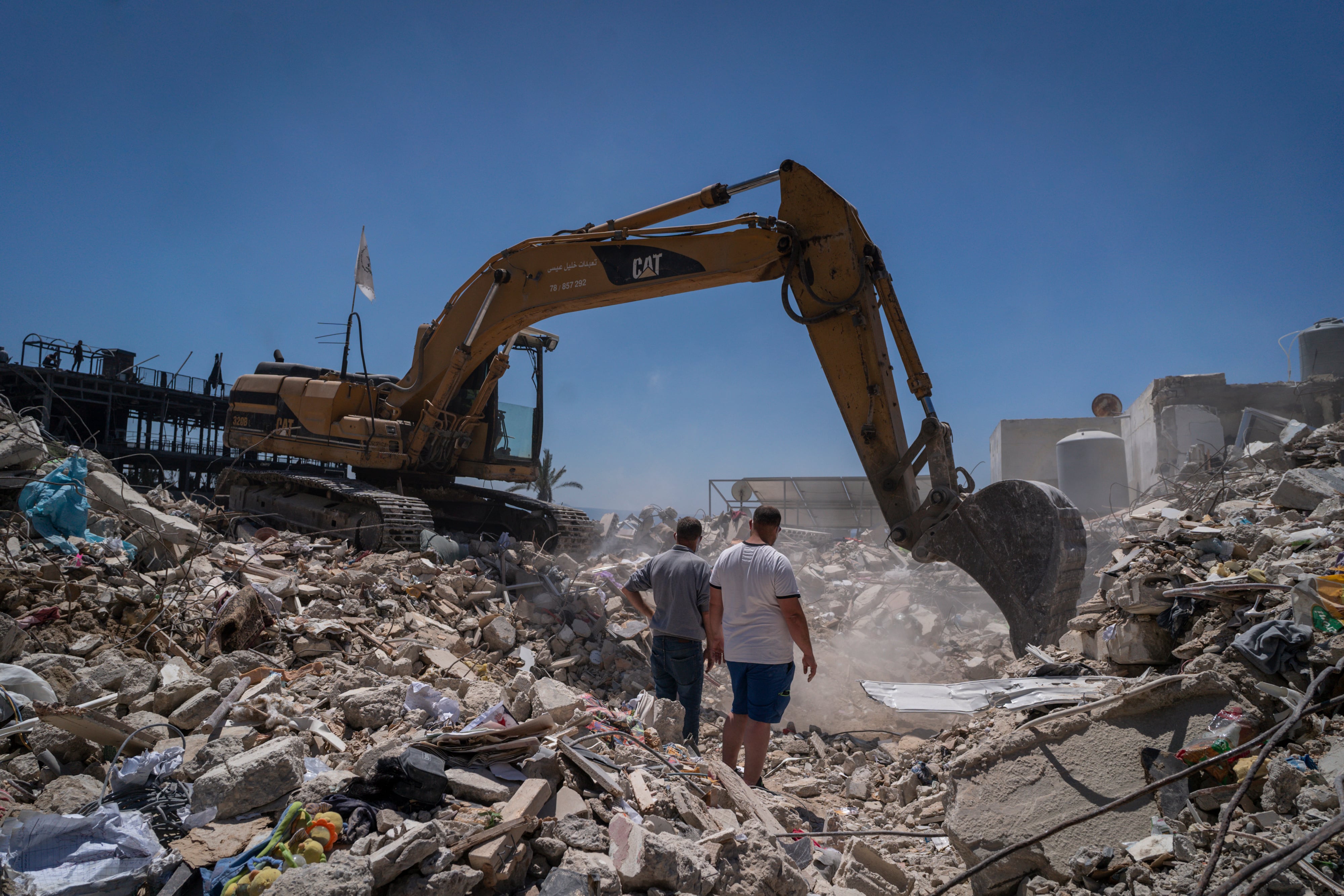
The Israeli military launched fresh attacks against targets in Lebanon this Friday. These strikes occurred just hours after U.S. President Donald Trump announced a three-week extension of the current ceasefire. Israel stated that its actions were a direct response to rockets fired by the Hezbollah militia into northern Israeli territory. This sudden return to violence highlights the extreme difficulty of maintaining a lasting peace deal in the region.
Main Impact
The immediate impact of these strikes is the potential collapse of the newly extended truce. While the United States is pushing for a 21-day period of calm, the fighting on the ground suggests that neither side is ready to stop completely. For the thousands of civilians living near the border, this means continued fear and the inability to return to their homes. The strikes also put heavy pressure on the Lebanese government, which is struggling to show that it can manage the groups operating within its own borders.
Key Details
What Happened
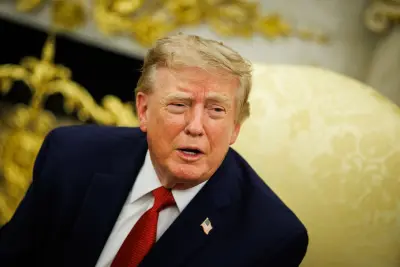
Early on Friday morning, the Israeli army confirmed it was hitting locations in Lebanon. They claimed these were "retaliatory strikes" meant to stop Hezbollah from launching more weapons into Israel. This happened shortly after a diplomatic win was claimed by the U.S. administration. President Trump had told the world that both sides agreed to keep the peace for another three weeks to allow for deeper talks. However, the sound of explosions in Lebanon and the sirens in northern Israel quickly changed the mood.
Important Numbers and Facts
The truce extension was set for exactly 21 days. This window was intended to give diplomats time to find a permanent solution to the border conflict. Danny Danon, the Israeli ambassador to the United Nations, clarified Israel's position by stating that the ceasefire is not "100%." He argued that as long as Hezbollah continues to fire rockets, Israel will feel forced to hit back. The Israeli government maintains that it will act against any threat it sees, regardless of the official truce status.
Background and Context
The conflict between Israel and Hezbollah has been going on for decades, but it has become much worse in recent months. Hezbollah is a powerful group in Lebanon that has its own military and is supported by Iran. Because Hezbollah is so strong, the official Lebanese army often has little power to stop them from attacking Israel. Israel, on the other hand, wants to ensure that its citizens in the north can live without the constant threat of rocket fire.
The United States has taken a lead role in trying to stop the fighting. The goal of the U.S. is to prevent a small border war from turning into a much larger war that could involve other countries like Iran. By pushing for three-week extensions, the U.S. hopes to create enough small moments of peace to eventually build a long-term agreement. However, as the events of this Friday show, a "paper truce" does not always stop the weapons on the ground.
Public or Industry Reaction
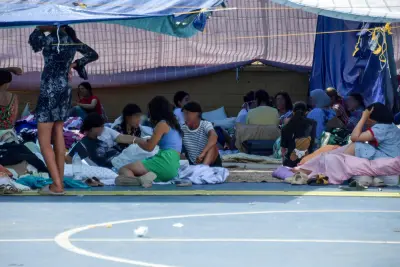
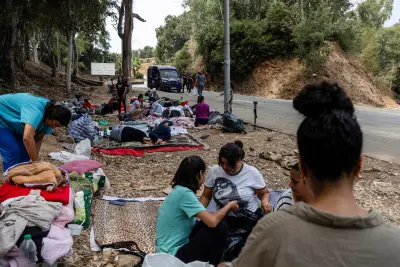
The reaction from the international community has been one of deep concern. Many world leaders were hopeful after the announcement of the three-week extension, but the new strikes have caused disappointment. Within Israel, there is strong support for the military's decision to hit back, as many people feel that a truce is useless if rockets are still falling on their houses. In Lebanon, there is a mix of anger and fear. Many Lebanese citizens feel caught in the middle of a fight between a powerful militia and a foreign military, with their own government unable to protect them or stop the violence.
What This Means Going Forward
The next few days will be a major test for the U.S. administration and its peace plan. If the fighting continues to get worse, the three-week extension might be canceled entirely. This would lead to a return to full-scale military operations. Diplomats will likely spend the coming hours talking to both Israeli and Lebanese officials to try and "save" the ceasefire. The biggest challenge remains the same: finding a way to make Hezbollah stop its attacks so that Israel feels safe enough to stop its airstrikes. Without a way to control these smaller attacks, a total peace deal seems very far away.
Final Take
The situation in Lebanon and Israel shows that words spoken in Washington do not always change the reality in the Middle East. While a three-week truce sounds like progress, the actual safety of the people depends on the actions of soldiers and militia members on the ground. Until both sides decide that the cost of fighting is higher than the cost of peace, these cycles of attacks and retaliation are likely to continue.
Frequently Asked Questions
Why did Israel attack Lebanon during a truce?
Israel says it attacked because the Hezbollah militia fired rockets into northern Israel first. Israel claims it must defend its people even if there is an official ceasefire in place.
How long was the truce supposed to last?
President Donald Trump announced an extension that was supposed to last for three weeks (21 days) to allow more time for peace talks.
What is the role of the Lebanese government in this?
The Lebanese government is officially in charge of the country, but it has very little control over Hezbollah. This makes it difficult for Lebanon to guarantee that attacks against Israel will stop.