
Summary
Health officials in Kerala have issued a serious warning to the public regarding a rare but dangerous brain infection. As summer temperatures rise, the risk of coming into contact with harmful amoebas in water sources increases. The state Health Minister has advised people to be very careful when using water from ponds, lakes, and other stagnant sources. Staying away from unclean water and maintaining good hygiene are the best ways to stay safe during this period.
Main Impact
The main concern for health experts is the high danger level of amoebic meningoencephalitis. This is a rare infection that attacks the brain and can be fatal in a very short amount of time. Because the infection is hard to treat once it starts, the government is focusing heavily on prevention. The impact of this alert is felt most by families who live near natural water bodies and those who use public ponds for bathing or washing clothes. By following simple safety rules, people can significantly lower their risk of getting sick.
Key Details
What Happened
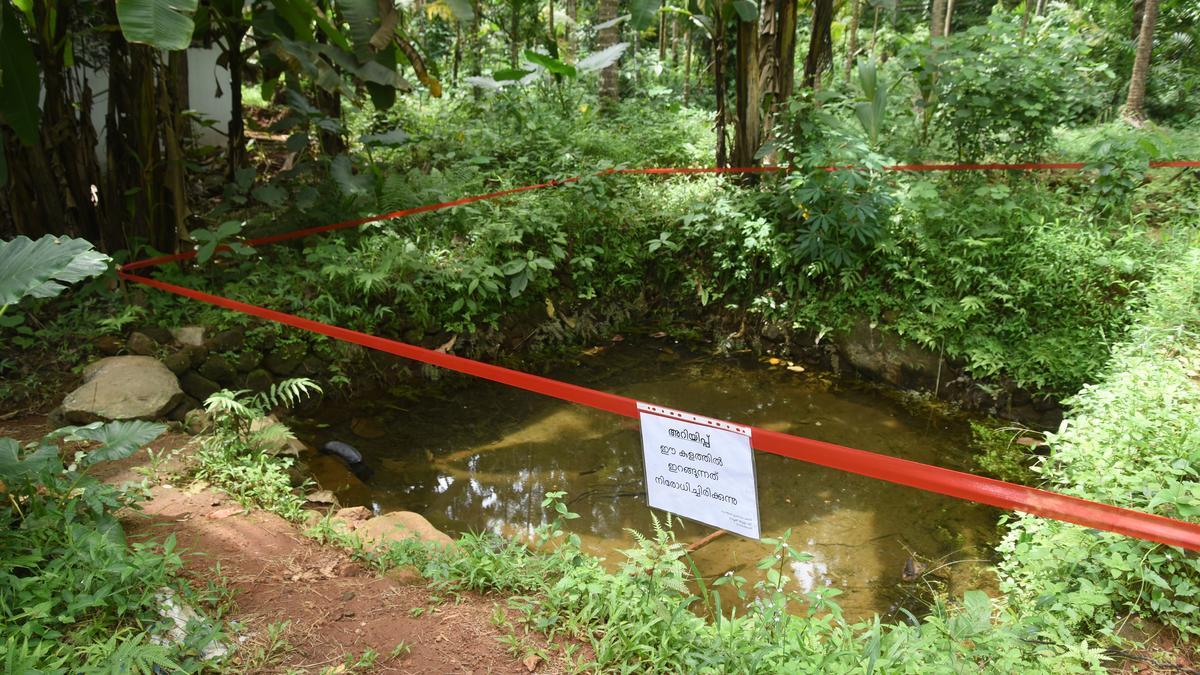
Kerala’s Health Minister, Veena George, recently spoke to the public about the need for extra care during the summer months. The warning comes because the amoeba that causes this brain infection lives in warm, fresh water. When water levels drop in the summer, the concentration of these organisms can become higher. The minister specifically told people not to wash their faces or bathe in water that looks dirty or has been sitting still for a long time. She also asked local leaders to make sure that public water sources are kept clean and treated properly.
Important Numbers and Facts
While these infections do not happen to thousands of people, they are very serious when they do occur. In past years, Kerala has seen a small number of cases, often involving children or young adults who went swimming in local ponds. The infection usually shows symptoms within one to nine days after the person has been in the water. It is important to know that this disease does not spread from one person to another. You can only get it by coming into direct contact with contaminated water, usually through the nose.
Background and Context
The organism responsible for this health alert is often called a "brain-eating amoeba." It is a tiny living thing that is too small to see without a microscope. It naturally lives in warm freshwater environments like lakes, rivers, and hot springs. During the summer in Kerala, the weather gets very hot, and many small ponds begin to dry up. This warm, shallow water is the perfect place for the amoeba to grow. When people jump into the water or splash it onto their faces, the amoeba can enter the body through the nose. From there, it travels to the brain and causes severe swelling and damage.
Public or Industry Reaction
The public reaction has been one of caution. Many parents are now keeping their children away from local swimming holes until the weather cools down or the water is tested. Health workers across the state are also on high alert. They are being trained to look for specific symptoms in patients who come to clinics with high fevers or bad headaches. Local community groups have started cleaning up neighborhood wells and ponds to ensure they are not a breeding ground for germs. There is a general understanding that while the risk is low, the consequences are too high to ignore.
What This Means Going Forward
Going forward, the Kerala health department will likely increase its testing of water sources. They are encouraging people to use chlorine to treat their wells and private ponds. Chlorine is a common chemical that kills many types of germs, including these dangerous amoebas. People are also being told to use nose clips if they must swim in open water, as this prevents the water from going up the nose. The government plans to continue these awareness programs every summer to make sure the public does not forget the risks associated with stagnant water.
Final Take
Safety starts with being aware of your surroundings. While a cool dip in a pond might seem like a good way to beat the summer heat, it is not worth the risk if the water is not clean. By following the advice of health experts and keeping water sources clean, the people of Kerala can protect themselves and their families from this rare but deadly threat. Simple hygiene and a bit of caution are the most effective tools we have to stay healthy during the hot season.
Frequently Asked Questions
How does the infection enter the body?
The infection enters the body through the nose. This usually happens when someone swims, dives, or washes their face in contaminated water. It cannot be caught by drinking the water.
What are the early symptoms to look for?
Early symptoms include a severe headache, high fever, nausea, and vomiting. As the infection gets worse, a person might experience a stiff neck, confusion, and seizures.
Can the infection spread from person to person?
No, this infection is not contagious. You cannot catch it from coughing, sneezing, or touching someone who is sick. It only comes from contact with contaminated environmental water.



