Summary
Ukraine has issued a stark warning about a critical shortage of interceptor missiles after a massive Russian attack on the Kyiv region killed 19 people. President Zelensky confirmed that Sunday's assault involved 68 missiles and 351 strike drones, overwhelming air defenses. The attack highlights the urgent need for more Western military aid to protect civilian lives and critical infrastructure.
Main Impact
The deadly attack on the Kyiv region has left 19 people dead and dozens injured, marking one of the heaviest strikes on the capital area in recent months. Ukrainian officials say the scale of the assault—combining missiles and drones—exhausted available interceptor missiles, leaving some targets unprotected. This has raised fears that Russia is testing Ukraine's air defense capacity ahead of winter, when energy infrastructure is most vulnerable.
Key Details
What Happened
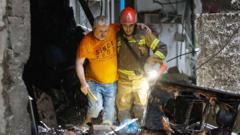
On Sunday, Russia launched a coordinated attack on Kyiv and surrounding areas using a mix of cruise missiles, ballistic missiles, and Iranian-made Shahed drones. Ukrainian air defense systems shot down many of the incoming threats, but a significant number got through. Residential buildings, a hospital, and a school were hit, causing the highest single-day death toll in the capital region since the war began.
Important Numbers and Facts
President Zelensky stated that 68 missiles and 351 drones were used in the attack. Ukrainian forces intercepted 54 of the missiles and 280 of the drones, but the remaining 14 missiles and 71 drones struck their targets. The attack lasted over 12 hours, with waves of drones arriving first to overwhelm defenses, followed by missiles. Emergency services reported 19 dead and 67 wounded, including children.
Background and Context
Ukraine has relied heavily on Western-supplied air defense systems like the Patriot and NASAMS to protect its cities. However, these systems require a steady supply of interceptor missiles, which are expensive and in limited production. Russia has adapted its tactics, using large numbers of cheap drones to force Ukraine to waste expensive interceptors, then following up with missiles. This strategy has strained Ukraine's stockpiles, especially as Western aid packages have faced delays in Congress and other political hurdles.
Public or Industry Reaction
Ukrainian officials and military analysts have expressed alarm over the interceptor shortage. Air Force spokesperson Yuriy Ihnat said, "We are running out of missiles for our most effective systems. Every attack forces us to make hard choices about what to protect." Residents in Kyiv described the attack as terrifying, with many spending hours in bomb shelters. International leaders, including U.S. President Joe Biden, condemned the attack and pledged to accelerate weapons deliveries, but no new aid packages have been announced yet.
What This Means Going Forward
The attack signals a dangerous shift in Russia's strategy, aiming to degrade Ukraine's air defense before winter. Without a rapid resupply of interceptor missiles, Ukraine may be forced to prioritize protecting military targets over civilian areas. This could lead to more casualties and damage to the power grid, as seen last winter when millions faced blackouts. The coming weeks are critical: if Western allies do not deliver more interceptors, Ukraine's ability to defend its cities will weaken significantly.
Final Take
Sunday's attack is a grim reminder that air defense is not just about technology—it is about supply chains and political will. Ukraine has the systems but lacks the ammunition to use them fully. The lives lost in Kyiv are a direct consequence of delays in Western support. Without immediate action, more cities will face similar devastation.
Frequently Asked Questions
Why is Ukraine running out of interceptor missiles?
Interceptor missiles are expensive and take time to produce. Russia has been using large numbers of cheap drones to force Ukraine to fire many interceptors, depleting stockpiles faster than they can be replaced. Western aid packages have also faced delays, slowing resupply.
How does this attack compare to previous ones?
This was one of the largest combined missile and drone attacks on Kyiv since the war started. The death toll of 19 is the highest in a single attack on the capital region in months, showing that Russia is escalating its strikes.
What can be done to help Ukraine's air defense?
Western countries need to send more interceptor missiles and air defense systems quickly. Increasing production of these missiles and providing financial support for Ukraine to buy them on the global market would also help. Political decisions to speed up aid deliveries are essential.