Summary
Iran launched fresh airstrikes on Wednesday after explosions were reported in its southern regions. The U.S. Central Command (Centcom) said it struck 90 Iranian targets in the latest round of military action. Iran's health ministry reported that 14 people have been killed since Tuesday. The escalation marks a significant increase in direct conflict between the two nations.
Main Impact
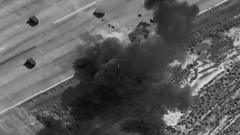
The new strikes from Tehran came hours after Centcom confirmed hitting 90 military sites across Iran. These targets included missile bases, drone facilities, and command centers. The Iranian health ministry said the death toll has risen to 14 since Tuesday, with dozens more wounded. The attacks have raised fears of a wider regional war, as both sides show no signs of backing down.
Key Details
What Happened
On Wednesday morning, Iran launched a series of missile and drone strikes targeting locations in southern Iran. The strikes were in response to U.S. attacks that began Tuesday. Centcom said its operations hit 90 Iranian military targets, including underground bunkers and radar systems. Iranian state media reported explosions in the cities of Shiraz and Isfahan, but did not confirm the exact locations hit.
Important Numbers and Facts
Centcom confirmed 90 targets were struck in the latest round. The Iranian health ministry said 14 people have been killed since Tuesday, with 38 others injured. The U.S. military said it used long-range bombers and fighter jets in the operation. Iran's foreign ministry condemned the attacks as "a clear act of aggression" and vowed retaliation.
Background and Context
The conflict between the U.S. and Iran has been building for weeks. Tensions rose after Iran-backed groups attacked U.S. bases in Iraq and Syria. The U.S. responded with airstrikes on Iranian-linked targets in those countries. This week's direct strikes on Iranian soil mark a major shift. Experts say this is the first time the U.S. has openly attacked military targets inside Iran since the 1980s.
Public or Industry Reaction
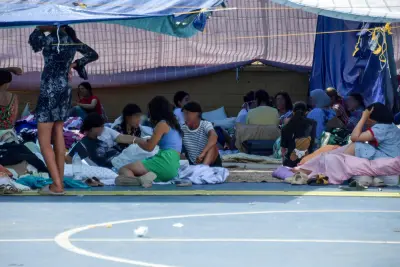
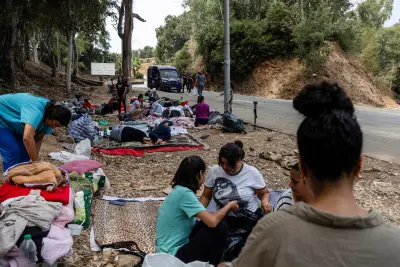
Iranian state TV showed crowds in Tehran chanting anti-U.S. slogans. Some local reports said people in southern cities were fleeing their homes. International leaders called for calm. The United Nations urged both sides to stop fighting. Oil prices jumped on news of the strikes, as markets worry about supply disruptions from the region.
What This Means Going Forward
The situation remains very dangerous. Iran has promised more strikes, and the U.S. says it will keep hitting military targets. This could lead to a long and costly conflict. Other countries in the region, like Saudi Arabia and the UAE, are watching closely. They fear the fighting could spread. Diplomats are working behind the scenes to find a way to stop the escalation, but no deal is in sight yet.
Final Take
The U.S. and Iran are now in a direct military exchange, something many hoped to avoid. With both sides unwilling to back down, the risk of a wider war grows every day. The coming hours and days will be critical in deciding whether this conflict expands or finds a pause.
Frequently Asked Questions
Why did the U.S. strike Iranian targets?
The U.S. said it was responding to attacks by Iran-backed groups on American bases in Iraq and Syria. Centcom said the strikes aimed to destroy military capabilities and prevent future attacks.
How many people have been killed in the strikes?
Iran's health ministry reported 14 deaths since Tuesday. Dozens more have been injured. The U.S. has not released its own casualty numbers.
Could this lead to a full war between the U.S. and Iran?
Experts say the risk is high. Both sides have shown they are ready to use military force. Diplomats are trying to reduce tensions, but no ceasefire has been agreed upon yet.