
Summary
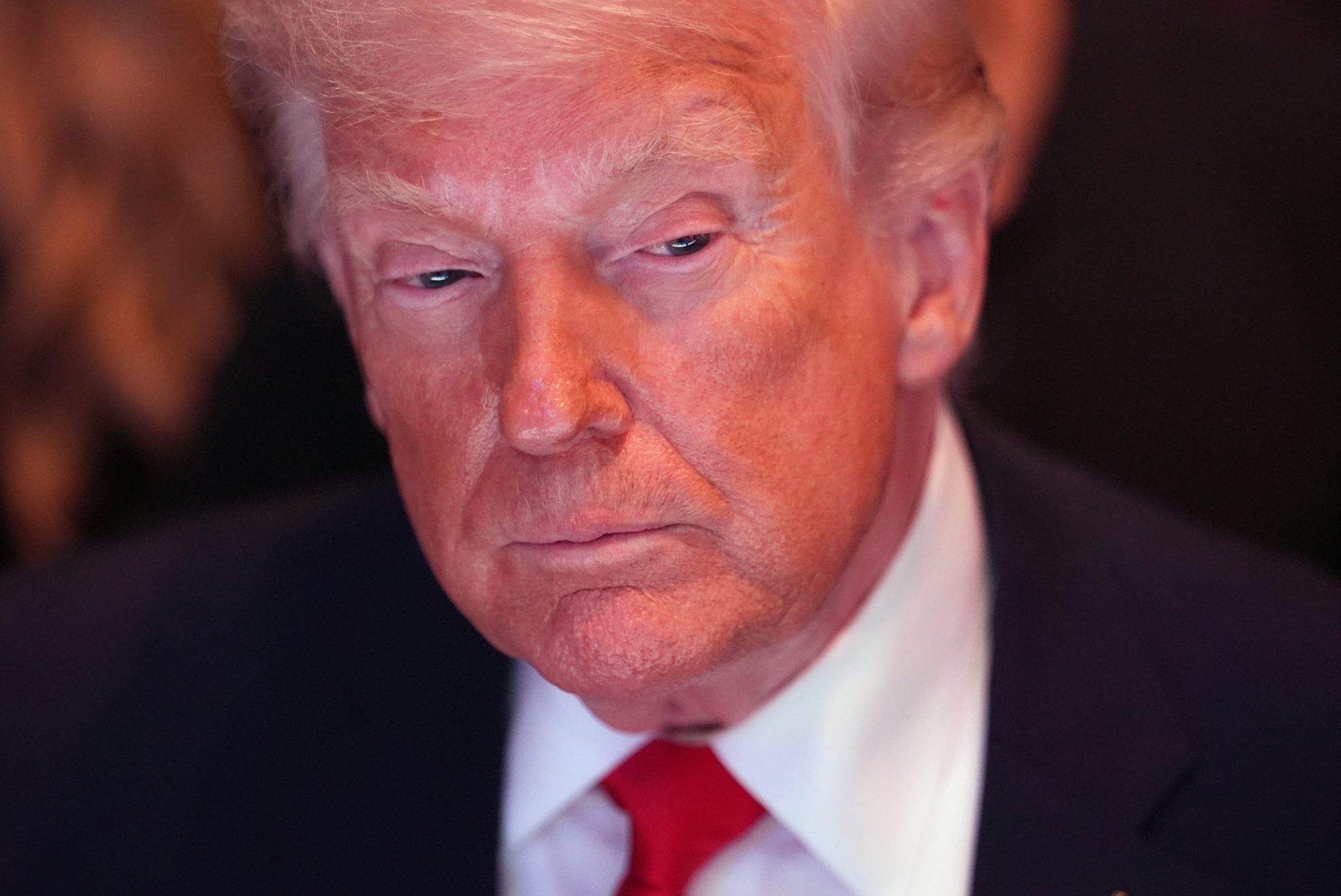
President Donald Trump has officially started a naval blockade of Iran’s coastline following the failure of nuclear talks. Shortly after the blockade began, the President issued a stern warning to Iran’s remaining naval forces. He stated that any Iranian ships attempting to interfere with U.S. operations would be destroyed immediately. This move has already caused global oil prices to surge past $100 per barrel as tensions in the Middle East reach a critical point.
Main Impact
The most immediate effect of this blockade is the sharp rise in energy costs. Both American and international oil prices jumped above $100 on Monday morning. This reflects deep fears that the flow of oil through the Strait of Hormuz will be cut off. Beyond the economy, the blockade marks a major escalation in military tension. Iran has responded by calling the move illegal and threatening to attack ports in neighboring countries if their own facilities are hit. This puts the entire region at risk of a much larger conflict.
Key Details
What Happened
The blockade went into effect on Monday morning after 21 hours of intense negotiations in Islamabad, Pakistan, ended without a deal. The main disagreement was over Iran’s nuclear program. Once the talks failed, the U.S. government ordered its Navy to stop ships from entering or leaving Iranian ports. President Trump announced on social media that the U.S. has already destroyed 158 Iranian ships. He warned that the few remaining "fast attack ships" would be treated like drug smuggling boats and eliminated if they approached U.S. warships.
Important Numbers and Facts
The U.S. military gave neutral ships until 2:00 p.m. UTC on Monday to leave Iranian waters. After that time, any ship found in the area could be stopped, redirected, or captured by the U.S. Navy. While the stock market remained mostly steady, the price of oil became the main focus for investors. Data shows that at least two ships left the area just before the deadline. Experts note that while 158 larger Iranian vessels are gone, the smaller, faster boats remain a concern for naval commanders.
Background and Context
This situation is the result of years of tension between the United States and Iran over nuclear weapons. The U.S. wants Iran to stop its nuclear program completely, but Iran has refused to meet all the demands. The Strait of Hormuz, where this blockade is happening, is one of the most important water passages in the world. A large portion of the world's oil travels through this narrow area. By starting a blockade, the U.S. is trying to cut off Iran’s ability to sell oil and make money, hoping this will force the Iranian government to give in to U.S. demands.
Public or Industry Reaction
Opinions on this move are divided. Some military experts believe the President is calling Iran’s bluff. They think Iran will not actually fight back because their navy has already suffered heavy losses. However, other analysts are worried. They call this a "Hail Mary" move, which means a desperate, last-minute attempt to win when other options have failed. Iranian officials have been very vocal in their response. Mohammad Bagher Ghalibaf, a high-ranking Iranian leader, warned Americans that they would soon miss the days of $4 or $5 gas. He suggested that prices will go much higher as the blockade continues.
What This Means Going Forward
The next few days will be very risky for global trade. If Iran decides to fight the blockade, it could lead to a direct naval war. Even if there is no shooting, the economic damage could be high. When a blockade happens, insurance companies often refuse to cover ships in that area. If ships cannot get insurance, they will not sail. This forces companies to take much longer routes, which makes shipping more expensive. These costs eventually lead to higher prices for gasoline and everyday goods for people all over the world.
Final Take
The U.S. naval blockade is a high-stakes gamble intended to end the nuclear standoff once and for all. While it shows American military strength, it also creates a massive risk for the global economy. The world is now watching to see if Iran will back down or if the situation will turn into a full-scale war that sends energy prices to record highs.
Frequently Asked Questions
What is a naval blockade?
A naval blockade is when a country uses its warships to block another country's ports. This prevents goods, supplies, and oil from entering or leaving the country.
Why are oil prices going up because of this?
Oil prices are rising because Iran is a major oil producer and the blockade is happening near a path where much of the world's oil is shipped. Investors fear there will be less oil available, which drives the price up.
What are "fast attack ships"?
These are small, very fast boats used by the Iranian Navy. They are often armed with missiles or machine guns and are designed to swarm larger ships in narrow waters.



