
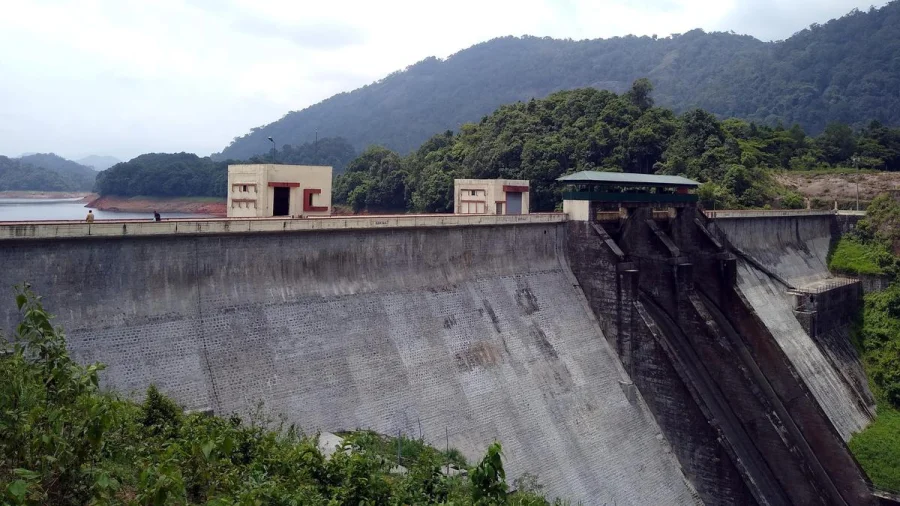
The hills of Kozhikode are bracing for a tense stretch. A high alert has been sounded in the district as the Kakkayam reservoir — a key part of the Kuttiyadi Hydroelectric Project — inches toward its maximum storage level.
According to the original report, the reservoir "continues to experience tremendous inflow." Every passing hour of sustained rain shrinks the remaining buffer between the water surface and full capacity.
What a Nearing-Full Reservoir Actually Changes
When a reservoir approaches its maximum level, the core challenge changes. It can no longer absorb fresh rainfall as comfortably, so the margin for managing a sudden surge becomes thin.
For dam operators, the priority shifts to balancing storage against safety. For people downstream, the concern is what happens if controlled releases become necessary.
Kakkayam's Role in the Kuttiyadi Hydroelectric Project
The Kakkayam reservoir is an integral part of the Kuttiyadi Hydroelectric Project, which harnesses Kozhikode's hilly terrain and monsoon-fed streams to generate power.
This is the same geography that makes the region vulnerable during an active monsoon — steep catchments and heavy inflow can fill a reservoir far faster than in drier years.
Who Faces the Greatest Impact
The most affected will be communities in low-lying areas along the reservoir's downstream path. In flooding and dam-safety scenarios, these are the zones where even brief alerts translate into real precautionary action.
While the high alert has been formally issued, whether specific areas have been asked to stay vigilant or prepare for relocation is not clear from the available information.
What the Report Confirms About the Official Response
The report confirms that Kozhikode is on high alert and that the reservoir is under tremendous inflow pressure. It does not mention evacuation orders, specific water-level readings, or the deployment of response teams.
This gap matters. A high alert is a precautionary signal; the level of public action depends on the advisories that follow it.
Confirmed Facts vs What Remains Unclear
Confirmed: Kozhikode is on high alert. The Kakkayam reservoir is nearing maximum level. It belongs to the Kuttiyadi Hydroelectric Project. Inflow into the reservoir is tremendous.
Unclear: Exact water-level data, rainfall forecasts, any release schedules from the dam, and whether downstream residents have been issued specific safety instructions are not specified in the original story.
The Risks If the Inflow Continues Unabated
The central risk is straightforward: if inflow keeps climbing with no break in rainfall, the reservoir will run out of storage headroom. That situation typically forces authorities to release water downstream, raising river levels and the danger of localised flooding.
There is also the human communication risk — unverified messages about dam releases often spread faster than official orders during Kerala's monsoon alerts.
What Residents Should Do Right Now
People living near the reservoir or along downstream riverbanks should track district administration advisories rather than social media chatter. Keeping clear of riverbanks and low-lying stretches during heavy rain is the most effective immediate precaution.
Those in flood-prone pockets should also review their emergency plans in advance, so that any formal warning does not catch them unprepared.
What Happens Next
The alert's duration hinges on the weather. If inflow eases, the reservoir can be managed within safe limits and the alert will likely be downgraded. If rains intensify, controlled discharges may follow — and with them, wider public advisories.
For now, the situation is one of watchful waiting: the reservoir is full, the sky is uncertain, and the district is on edge.
Our Take
Reservoir alerts of this kind are a test of preparedness as much as a measure of water levels. The Kakkayam alert carries the familiar pattern of Kerala's monsoon — heavy inflow into a hydroelectric reservoir, a district placed on edge, and downstream communities waiting for clear direction.
The real measurement of this response will be speed and clarity of communication. Alerts work only when they are followed by actionable, trustworthy information. This brief report confirms the warning; the next hours will determine how far it needs to go.
Frequently Asked Questions
Why is Kozhikode on high alert?
Kozhikode has been placed on high alert because the Kakkayam reservoir is nearing its maximum level while continuing to receive tremendous inflow, reducing the buffer for safe storage.
What is the Kakkayam reservoir?
The Kakkayam reservoir is part of the Kuttiyadi Hydroelectric Project in Kozhikode district, Kerala. It stores monsoon water for hydroelectric power generation.
What happens when a reservoir reaches its maximum level?
When a reservoir reaches maximum level, it cannot safely store more water. Authorities typically begin controlled releases downstream, which can raise river levels and pose flooding risks to low-lying areas.
What should people living near Kakkayam do now?
Residents should follow official district administration advisories, avoid riverbanks and low-lying areas during heavy rain, and ignore unverified WhatsApp or social media messages about dam releases.



