Summary
President Donald Trump has publicly called for several major nations to send their own warships to the Strait of Hormuz. He specifically named the United Kingdom, China, France, Japan, and South Korea as countries that should help protect this vital shipping route. The request comes at a time of rising tension in the Middle East, where oil tankers have faced increasing threats. By asking these nations to step up, the US leader is pushing for a shared international effort to keep global oil trade moving safely.
Main Impact
The primary impact of this request is a shift in how international waters are policed. For many years, the United States military has taken the lead in protecting trade routes in the Persian Gulf. This new demand suggests that the US wants to reduce its financial and military burden. If these countries agree to send their navies, it will create a massive international military presence in a very small area. This could help stop attacks on ships, but it also carries the risk of accidental clashes between different navies or with local forces.
Key Details
What Happened
The US government has grown tired of being the main protector of a waterway that benefits the entire world. President Trump pointed out that many of the countries using the Strait of Hormuz are wealthy and capable of defending their own interests. He argued that it is unfair for the US to provide free security for oil tankers that are heading to ports in Asia or Europe. The call for help follows several incidents where tankers were damaged or seized, which caused oil prices to jump and created fear in the global market.
Important Numbers and Facts
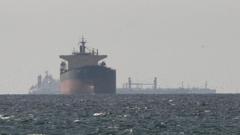
The Strait of Hormuz is one of the most important places on Earth for the global economy. Every day, about 21 million barrels of oil pass through this narrow stretch of water. This accounts for roughly 20% to 30% of all the oil consumed worldwide. The waterway is extremely narrow, with the actual shipping lanes being only about two miles wide. This makes ships very easy targets for anyone wishing to disrupt trade. Most of the oil moving through this area is destined for markets in China, India, Japan, and South Korea, making these nations highly dependent on the route staying open.
Background and Context
To understand why this matters, you have to look at the geography of the Middle East. The Strait of Hormuz is the only way for ships to get from the Persian Gulf into the open ocean. On one side is Oman, and on the other side is Iran. Because Iran controls much of the coastline, it has a lot of power over who passes through. In recent months, the relationship between the US and Iran has become very tense. This tension has led to ships being attacked by mines and drones being shot down. The US believes that by bringing in more countries, Iran will be less likely to interfere with trade because it would be challenging many nations at once, not just the United States.
Public or Industry Reaction
The reaction from other countries has been mixed. The United Kingdom has been the most supportive, as it has already sent ships to escort its own tankers after one of its vessels was seized. However, other nations like Japan and South Korea are more hesitant. They worry that sending warships might look like they are taking sides in a conflict, which could hurt their diplomatic ties in the region. China, which is the largest buyer of oil from the area, has expressed a desire for peace but has not yet committed to a large-scale military mission. Shipping companies are also watching closely, as they have to pay much higher insurance costs when the area is considered a war zone.
What This Means Going Forward
In the coming months, we will see if a new international coalition is formed. If more countries send warships, the Strait of Hormuz will become one of the most crowded military zones in the world. This could lead to a more stable oil market, as investors will feel more confident that supplies will not be cut off. On the other hand, if countries refuse to help, the US might decide to reduce its presence, which could leave the shipping lanes vulnerable. The next steps will likely involve high-level meetings between world leaders to decide who will pay for the security and who will lead the operations.
Final Take
The demand for international help in the Strait of Hormuz shows that the era of the US acting as the world's only "ocean police" may be coming to an end. It forces other powerful nations to decide how much they are willing to pay and risk to protect their own energy supplies. While the goal is to keep the oil flowing, the result will be a much more complicated and crowded situation in the Middle East.
Frequently Asked Questions
Why is the Strait of Hormuz so important?
It is the main exit point for oil coming out of the Persian Gulf. About one-fifth of the world's oil passes through this narrow waterway, making it essential for global energy prices.
Which countries did the US ask for help?
The US specifically asked the United Kingdom, China, France, Japan, and South Korea to send their navies to help protect the shipping lanes.
What happens if the Strait is closed?
If the Strait were to be blocked, oil prices would likely skyrocket worldwide. This would lead to much higher gas prices for drivers and could cause a major slowdown in the global economy.