Summary
The United Arab Emirates has strongly condemned Iran's "brazen" attack on oil tankers in the Strait of Hormuz, as the United States launched a third consecutive night of airstrikes against Iranian targets. President Donald Trump also announced a new 20% tariff as part of a tightened blockade on the strategic waterway. The escalation marks a significant increase in tensions between the US and Iran, with potential consequences for global oil supplies and regional stability.
Main Impact
The UAE's condemnation signals a shift in regional dynamics, as Gulf states typically avoid direct criticism of Iran. The US strikes and new blockade measures are designed to disrupt Iran's ability to export oil, but they also risk sparking a wider conflict. The 20% charge on goods passing through the Strait of Hormuz could raise global energy prices and affect shipping routes used by many countries.
Key Details
What Happened
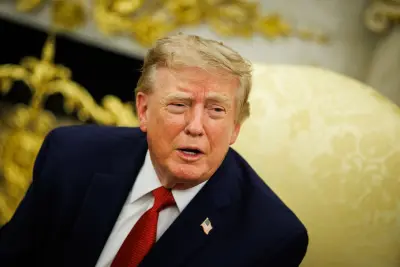
On July 13, 2026, the UAE issued a formal statement calling Iran's attack on commercial tankers "brazen" and a violation of international law. The attack occurred near the Strait of Hormuz, a narrow passage that handles about 20% of the world's oil shipments. In response, the US military carried out airstrikes on Iranian military positions for the third night in a row. President Trump announced a 20% tariff on all goods moving through the strait, effectively creating a new blockade.
Important Numbers and Facts
The US strikes targeted Iranian missile sites and naval facilities. The new 20% charge applies to all vessels passing through the strait, regardless of nationality. The UAE is a major oil exporter and a key US ally in the region. The Strait of Hormuz is only 21 miles wide at its narrowest point, making it easy to block. Iran has threatened to close the strait in the past, but this is the first time the US has imposed a direct tariff on its use.
Background and Context
Tensions between the US and Iran have been high for years, but they have worsened since the US withdrew from the nuclear deal in 2018. Iran has been accused of attacking oil tankers in the region before, but the UAE's public condemnation is unusual. The UAE has tried to maintain good relations with both the US and Iran, but this attack has forced it to take a side. The Strait of Hormuz is a critical chokepoint for global energy supplies, and any disruption there can cause oil prices to spike worldwide.
Public or Industry Reaction
Oil prices jumped by more than 5% on the news, with Brent crude trading above $90 per barrel. Shipping companies have begun rerouting vessels away from the strait, adding days to travel times and raising costs. The UAE's statement has been praised by US officials but criticized by Iranian media, which called it a "betrayal" of regional solidarity. Some Gulf states have remained silent, likely fearing Iranian retaliation.
What This Means Going Forward
The US strikes and blockade are likely to continue until Iran stops attacking commercial shipping. However, Iran may respond by targeting more tankers or even military vessels. The 20% tariff could lead to higher prices for oil and goods in many countries, including the US. Diplomatic efforts to de-escalate the situation have so far failed, and both sides appear unwilling to back down. The risk of a broader war in the Middle East is now higher than it has been in years.
Final Take
The UAE's condemnation of Iran and the US's new blockade measures mark a dangerous turning point in the Gulf crisis. With no clear path to de-escalation, the world must prepare for higher energy costs and the possibility of a wider conflict. The Strait of Hormuz remains the flashpoint, and its security is now in question.
Frequently Asked Questions
Why did the UAE condemn Iran's attack?
The UAE condemned the attack because it directly threatened its own oil tankers and regional stability. The UAE relies on the Strait of Hormuz for its oil exports, and any disruption there hurts its economy.
What is the 20% charge announced by Trump?
The 20% charge is a tariff on all goods passing through the Strait of Hormuz. It is meant to pressure Iran by cutting off its oil exports, but it also affects other countries that use the strait for shipping.
Could this lead to a war between the US and Iran?
Yes, the risk of a direct military conflict has increased. The US strikes and blockade are aggressive moves, and Iran has threatened to respond. Both sides have powerful militaries, and a war could have devastating effects on the region and the global economy.