Summary
President Donald Trump has announced the reinstatement of a naval blockade on Iranian ports. The move is part of renewed pressure on Iran over its nuclear program and regional activities. The US will also impose a 20% toll on all cargo ships passing through the Strait of Hormuz, a key waterway for global oil shipments. This decision marks a major escalation in tensions between the two countries.
Main Impact
The reinstated blockade will directly affect Iran's ability to export oil and import goods. The Strait of Hormuz toll will raise costs for international shipping, potentially driving up fuel prices worldwide. The move signals a tougher US stance on Iran, reversing some previous diplomatic efforts. It could also disrupt global energy markets, as about 20% of the world's oil passes through the strait each day.
Key Details
What Happened
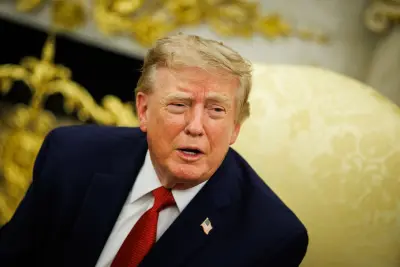
President Trump announced the decision during a press conference at the White House. He said the naval blockade would target all Iranian ports, including those used for commercial shipping. The 20% toll on cargo ships using the Strait of Hormuz will apply to all vessels, not just those linked to Iran. The US Navy will enforce the blockade and collect the toll.
Important Numbers and Facts
The Strait of Hormuz is a narrow waterway between Iran and Oman. About 17 million barrels of oil pass through it daily. The 20% toll means a ship carrying $10 million worth of cargo would pay $2 million. The blockade will begin within 30 days, according to the White House. Iran's oil exports have already dropped sharply due to previous US sanctions.
Background and Context
The US and Iran have a long history of conflict. The US first imposed a naval blockade on Iran in 2018 during Trump's first term. That blockade was lifted in 2021 under the Biden administration. The new blockade comes after Iran increased its uranium enrichment levels, which the US sees as a threat. The Strait of Hormuz is a critical chokepoint for global oil trade. Any disruption there can cause price spikes worldwide.
Public or Industry Reaction
Oil prices rose by 3% immediately after the announcement. Shipping companies expressed concern about higher costs and potential delays. Iran's government called the move "economic warfare" and threatened to close the strait entirely. Some US allies, including European nations, urged caution, warning the blockade could lead to a broader conflict. Environmental groups also raised concerns about the risk of oil spills from increased naval activity.
What This Means Going Forward
The blockade will likely deepen Iran's economic isolation. It may push Iran to seek closer ties with China and Russia for trade. The toll on the Strait of Hormuz could lead to higher gasoline prices for American drivers. There is also a risk of military confrontation if Iran tries to break the blockade. The US says it will use force if necessary to enforce the rules. The situation remains tense, with no clear diplomatic solution in sight.
Final Take
This move by President Trump is a clear return to a hardline policy on Iran. It puts economic pressure on Tehran but also risks global economic fallout. The toll on the Strait of Hormuz is an unusual step that could set a precedent for other waterways. The coming weeks will show whether this leads to negotiation or further escalation.
Frequently Asked Questions
What is the Strait of Hormuz and why is it important?
The Strait of Hormuz is a narrow waterway between Iran and Oman. It is a key route for oil tankers carrying crude oil from the Middle East to the rest of the world. About one-fifth of the world's oil passes through it every day.
How will the 20% toll affect global shipping?
The toll will increase shipping costs for all cargo passing through the strait. This could lead to higher prices for goods like oil, gas, and consumer products. Shipping companies may pass these costs on to customers.
Could this lead to a military conflict?
There is a risk of conflict if Iran tries to challenge the blockade. The US has said it will use force to enforce the rules. Iran has threatened to close the strait, which could trigger a direct military confrontation. Both sides have strong navies, making any clash dangerous.