Summary
Spain is currently standing strong against a growing global energy crisis caused by the war in Iran. While many countries in Europe and Asia are facing fuel shortages and rationing, Spain remains stable. This is because the country has spent years building flexible refineries and finding many different sources for its oil. As the blockade of the Strait of Hormuz continues, Spain’s preparation is helping it avoid the chaos seen in neighboring nations.
Main Impact
The biggest impact of this situation is the proof that energy independence and diversity work. While France and other European nations are seeing long lines at gas stations, Spain has managed to keep its fuel flowing. This stability protects the local economy from a total shutdown. However, the crisis is putting a spotlight on how fragile the global supply chain is, especially for air travel and heavy transport.
Key Details
What Happened
For the past six weeks, a conflict in Iran has led to a total blockade of the Strait of Hormuz. This narrow waterway is one of the most important paths in the world for energy. About 20% of the world's oil and liquefied natural gas passes through this area. With the path closed, the global supply has dropped sharply. This has caused prices to jump and has left many countries without enough fuel to meet their daily needs.
Important Numbers and Facts
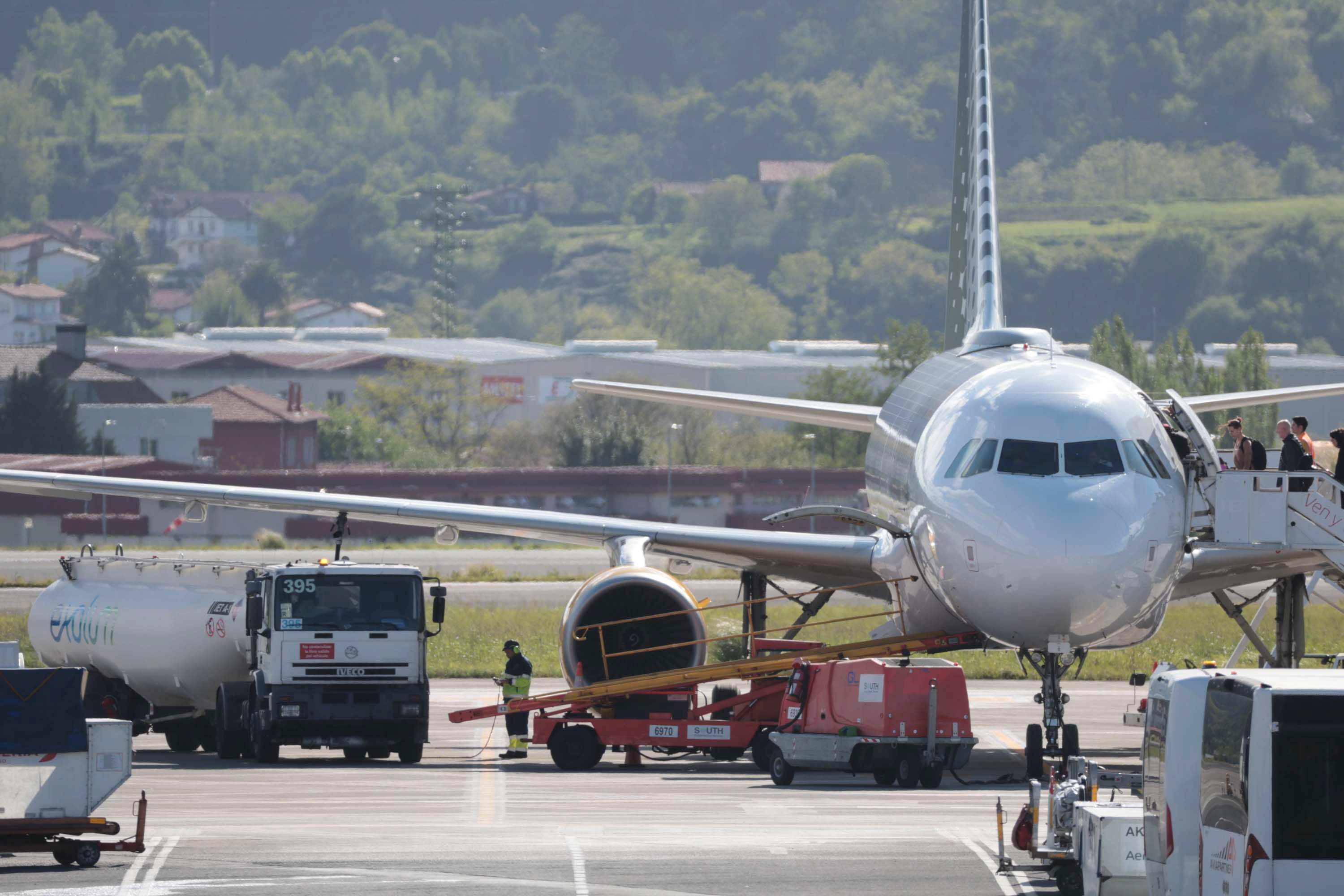
The scale of the crisis is clear when looking at the data. In France, one out of every five gas stations is already reporting a lack of fuel. Major airports across Europe have issued a formal warning stating they only have about three weeks of jet fuel left. If the Strait does not reopen by then, thousands of flights could be canceled. In contrast, Spain has a more secure position because it does not rely on a single region for its energy. It gets its oil from a wide variety of countries, which lowers the risk when one area faces a conflict.
Background and Context
To understand why Spain is doing better, it is important to look at its infrastructure. Most oil refineries are built to process a specific type of crude oil. If that specific oil becomes unavailable, the refinery stops working. Spain, however, invested in "versatile" refineries. These are high-tech facilities that can process many different types of oil, whether it is heavy oil from South America or light oil from Africa and the United States. This flexibility allows Spanish companies to switch suppliers quickly when a crisis hits.
Additionally, Spain has a long-standing policy of diversification. Instead of buying all its fuel from the Middle East, it buys smaller amounts from many different places. This means that even though the Strait of Hormuz is blocked, Spain still has ships arriving from other parts of the world. This strategy was designed to prevent the kind of collapse that happened during the energy crises of the past.
Public or Industry Reaction
The reaction across Europe has been one of deep concern. Industry leaders in the aviation sector are calling for urgent government action to secure fuel for planes. They fear that a total lack of kerosene will ground the entire continent's air traffic. In Spain, the reaction is more controlled. Energy experts are praising the foresight of the country's energy policies. However, the public is still worried about rising prices at the pump. Even if the fuel is available, the global shortage is making it much more expensive for the average driver.
What This Means Going Forward
In the coming weeks, the pressure will continue to grow. If the blockade is not lifted, even Spain will start to feel the strain. While the country has enough supply for now, a long-term conflict will eventually drain reserves. The next steps for Spain and the rest of Europe will likely involve even more investment in renewable energy and alternative fuels. This crisis shows that relying on oil from unstable regions is a major risk for any modern society. Governments will likely push for faster changes to electric transport and hydrogen fuel to avoid these problems in the future.
Final Take
Spain's current safety is not a matter of luck, but a result of smart planning. By building refineries that can handle different types of oil and refusing to depend on a single supplier, the country has created a safety net. While the rest of the world worries about a "Mad Max" future of empty roads and grounded planes, Spain's energy system is proving its worth. The lesson for other nations is clear: diversity in supply is the best defense against global instability.
Frequently Asked Questions
Why is the Strait of Hormuz so important?
The Strait of Hormuz is a vital shipping lane where 20% of the world's oil and gas passes. When it is blocked, the global supply of energy drops, leading to shortages and high prices.
How is Spain avoiding the fuel shortages seen in France?
Spain has versatile refineries that can process oil from many different countries. It also does not rely heavily on the Middle East, getting its oil from various global sources instead.
Will flights be canceled because of this crisis?
European airports have warned that they may run out of jet fuel in three weeks if the blockade continues. This could lead to widespread flight cancellations across the continent.