Summary
The Spanish government has reached a major milestone by validating more than 65,000 foreign university degrees in a single year. This record-breaking achievement includes the approval of over 30,000 medical degrees, allowing foreign-trained doctors to work in Spain’s healthcare system. This move is part of a larger plan to help immigrants who are already living in the country find professional work. By fixing a slow and outdated system, the government is helping skilled workers use their education to benefit the local economy and public services.
Main Impact
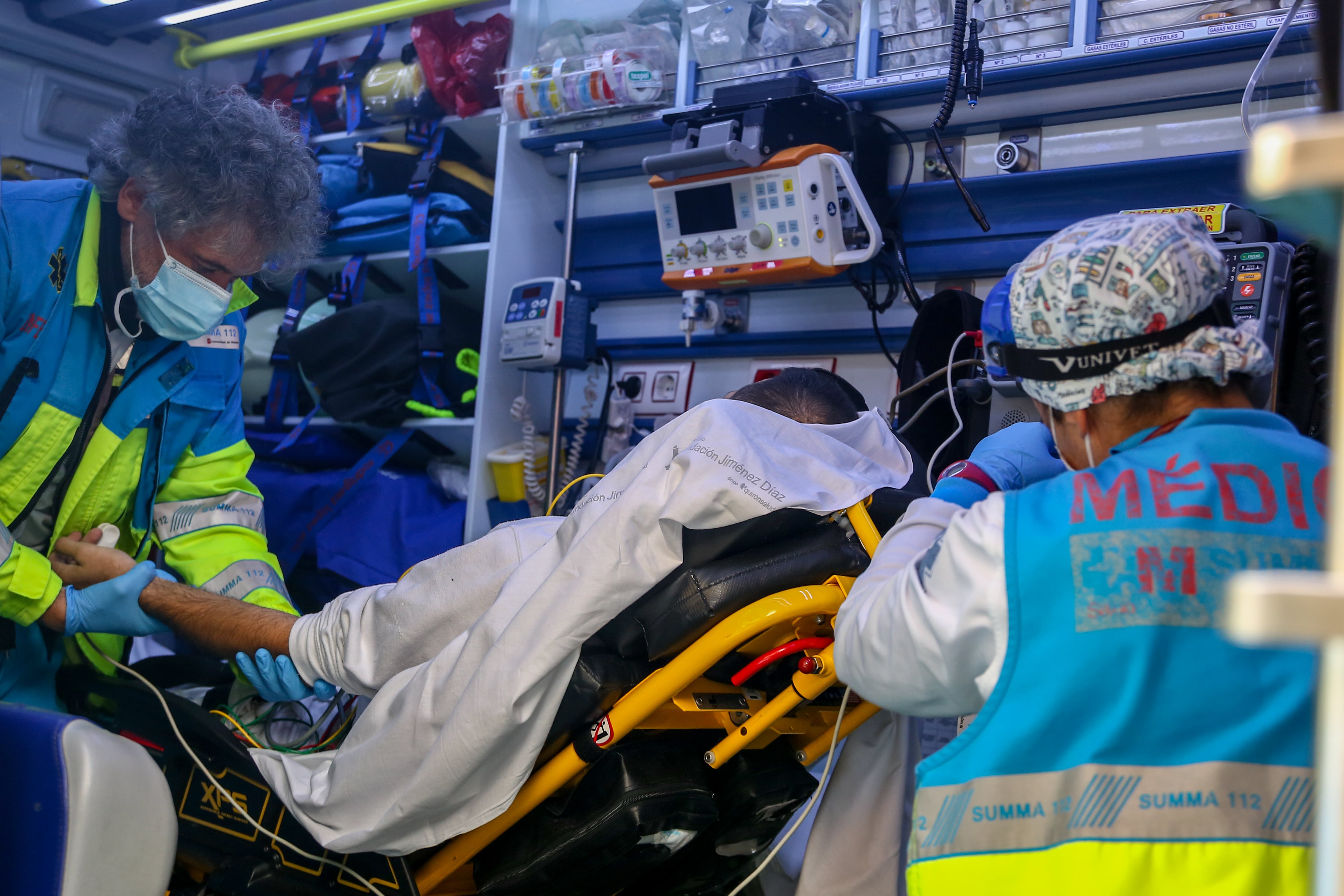
The most significant impact of this news is felt in the medical field. For years, Spain has faced a shortage of doctors and healthcare staff. By validating 30,303 medical degrees from other countries, the government is providing a massive boost to hospitals and clinics. These professionals were often already living in Spain but could not practice medicine because their paperwork was stuck in a long waiting list. Now, they can officially join the workforce and help care for patients.
Beyond healthcare, this change helps the Spanish economy as a whole. When a person with a degree in engineering or teaching can finally work in their field, they earn higher wages and contribute more to the community. This process helps reduce the number of overqualified people working in low-skilled jobs, which has been a common problem for immigrants in the past.
Key Details
What Happened
The Ministry of Science, Innovation, and Universities recently changed how it handles applications from people who studied abroad. In the past, the system was very slow and many people waited years for an answer. After making two major changes to the rules and the way staff process these files, the government has finally cleared much of the backlog. Minister Diana Morant explained that the system has now "found the key" to working efficiently.
Important Numbers and Facts
The data for the year 2025 shows a massive increase in activity compared to previous years. Here are the specific figures:
- Total Decisions: Officials made 85,564 total decisions on degree applications.
- Success Rate: About 76% of these applications were approved, resulting in 65,319 validated degrees.
- Regulated Jobs: Nearly 50,000 of the approved degrees were for "regulated" jobs. These are jobs like doctors, engineers, and teachers that require a specific license to practice.
- Medical Focus: Out of all the approvals, 30,303 were specifically for doctors.
- Historical Growth: The number of decisions made in 2025 is eight times higher than the number of decisions made in 2017.
Background and Context
This news comes at the same time the Spanish government approved a plan to give legal status to more than 500,000 immigrants. Many of these people have lived in Spain for years without the right papers to work legally. Among them are many highly educated individuals who finished university in their home countries. Without a validated degree, a person who was a surgeon or a civil engineer in their home country might end up working in a restaurant or as a cleaner in Spain.
The process of checking these degrees is called "homologation" for regulated jobs and "equivalency" for other degrees. It is a way for the government to make sure that a degree from a foreign university matches the quality and requirements of a Spanish degree. For a long time, the slow pace of this process was a major complaint for both immigrants and Spanish businesses that needed skilled workers.
Public or Industry Reaction
The reaction from the healthcare industry has been mostly positive. Hospital managers have been asking for more staff for a long time, and having 30,000 more doctors available is seen as a huge relief. Immigrant support groups have also praised the move, saying it treats foreign professionals with the respect they deserve. They believe that letting people work in their trained professions is the best way to help them fit into society.
However, some professional groups have reminded the government that speed should not come at the cost of quality. They want to ensure that every validated degree truly meets the high standards required in Spain, especially in fields like medicine where safety is the top priority. The government insists that the new, faster system is still very strict and only approves those who meet all the rules.
What This Means Going Forward
Looking ahead, the government plans to keep this faster pace. The goal is to make sure that no new backlogs are created. As more immigrants receive legal status, the demand for degree validation will likely stay high. The Ministry intends to continue using the new processing models to handle these requests quickly.
For the public, this means they might see more diverse faces in their local hospitals and schools. It also means that Spain is becoming a more attractive place for global talent. If professionals know their degrees will be recognized quickly, they are more likely to choose Spain as a place to live and work. This could help the country stay competitive in fields like technology and science.
Final Take
The validation of 65,000 degrees is more than just a win for paperwork; it is a win for the people and the economy. By allowing 30,000 doctors and thousands of other experts to use their skills, Spain is solving two problems at once. It is helping immigrants build better lives and it is filling vital gaps in the national workforce. This shift shows that when a government simplifies its rules, it can create real benefits for everyone in the country.
Frequently Asked Questions
What is degree homologation?
It is the official process where the Spanish government checks a foreign university degree to make sure it is equal to a Spanish degree. This is required for jobs like medicine, law, and engineering.
Why did the government speed up this process?
The system was very slow, and thousands of people were waiting for years. The government changed the rules to help fill job shortages, especially in healthcare, and to help immigrants work in their professional fields.
How many doctors were approved in the last year?
More than 30,000 foreign medical degrees were validated in the past year, which is nearly half of all the degrees approved during that time.