Summary
President Donald Trump has suggested that diplomatic talks with Iran could start again as early as this week. This news comes while the United States continues to maintain a strict blockade on several important ports. The Secretary-General of the United Nations has also commented on the situation, stating that it is very likely that both sides will return to the negotiating table soon. This potential shift in policy could have a major impact on global trade and international security.
Main Impact
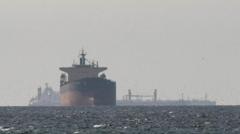
The most immediate impact of this news is a change in the tone of international relations. For months, the relationship between the U.S. and Iran has been defined by military pressure and economic restrictions. If talks actually begin, it could lead to a cooling of tensions in a very sensitive part of the world. However, the ongoing port blockade remains a major obstacle. The blockade limits the movement of goods and affects global shipping routes, which keeps the pressure high even as officials talk about peace.
Key Details
What Happened
During a recent update, President Trump mentioned that the U.S. is open to meeting with Iranian leaders to discuss a variety of issues. These issues include nuclear programs, regional security, and trade. While the U.S. has not stopped its military and economic pressure, the hint of a meeting suggests that both sides might be looking for a way to avoid further conflict. The United Nations has been working behind the scenes to encourage this dialogue, and the Secretary-General’s recent comments suggest that these efforts are finally showing results.
Important Numbers and Facts
The port blockade has been a central part of the U.S. strategy for several months. It has stopped a significant amount of oil and commercial goods from entering or leaving specific regions. Reports indicate that dozens of large cargo ships have been diverted or delayed because of these restrictions. If the talks this week are successful, many experts believe that some of these shipping restrictions could be eased. The UN Secretary-General described the restart of negotiations as "highly probable," which is the strongest language used by the organization in recent months regarding this conflict.
Background and Context
To understand why this matters, it is important to look at the history of the disagreement. The U.S. and Iran have been at odds over several key issues for years. The U.S. wants to ensure that Iran does not develop nuclear weapons and wants to limit its influence in neighboring countries. To achieve this, the U.S. has used sanctions and blockades to hurt the Iranian economy. A blockade is a way to stop a country from trading by using ships or military force to close off its ports.
Iran has responded by saying that these actions are unfair and that they have the right to conduct trade and manage their own affairs. This back-and-forth has led to several close calls where military conflict seemed possible. The involvement of the United Nations is meant to provide a neutral space where both sides can talk without feeling like they are giving up too much power. The goal of the UN is to find a peaceful solution that keeps the region stable and allows global trade to continue without interruption.
Public or Industry Reaction
The reaction to the news has been mixed but generally hopeful. In the world of global finance, oil prices showed signs of change as traders reacted to the possibility of a deal. If the blockade ends, more oil could enter the market, which usually leads to lower prices for consumers. Shipping companies are also watching the situation closely. They want to know if it will be safe for their vessels to travel through previously blocked areas.
Other world leaders have expressed cautious optimism. Many countries in Europe and Asia rely on the shipping lanes that are currently affected by the blockade. They have been calling for a diplomatic solution for a long time. While they welcome the news of potential talks, they are also waiting to see if the U.S. will actually lift any of the restrictions that are currently in place. Without a change in the blockade, many believe that the talks might not lead to a lasting agreement.
What This Means Going Forward
The next few days will be very important for international diplomacy. If the talks begin this week, the first step will likely be setting an agenda for what can be discussed. The U.S. will probably want to talk about security and nuclear limits, while Iran will likely focus on getting the blockade lifted and the sanctions removed. This creates a difficult situation where both sides want something from the other before they are willing to make a move.
There is also a risk that the talks could fall apart before they even start. If either side feels that the other is not being serious, the tension could increase again. The port blockade is a very visible sign of the conflict, and as long as it continues, it serves as a reminder of the high stakes involved. If the negotiations go well, we might see a gradual reopening of ports and a decrease in military activity in the region. If they fail, the blockade could become even stricter, leading to more economic trouble and higher risks of a direct confrontation.
Final Take
The possibility of new talks between the U.S. and Iran is a significant development that could change the direction of global politics. While the port blockade shows that the U.S. is still using a tough approach, the willingness to sit down and talk suggests that a peaceful path is still being considered. The role of the United Nations will be vital in keeping both sides focused on a solution. Everyone is now watching to see if this week will bring a breakthrough or if the standoff will continue.
Frequently Asked Questions
Why is there a port blockade?
The U.S. is using the blockade to put economic pressure on Iran. The goal is to force the country to negotiate on issues like nuclear energy and regional security by limiting its ability to trade goods and oil.
What did the UN Secretary-General say?
The Secretary-General stated that it is "highly probable" that negotiations between the U.S. and Iran will restart soon. This suggests that diplomatic efforts behind the scenes have been successful in bringing the two sides closer to a meeting.
How will these talks affect the average person?
If the talks lead to an end to the blockade, it could help lower global oil prices. This would make gasoline and other energy costs cheaper for people around the world. It also reduces the chance of a war, which helps keep the global economy stable.