Summary
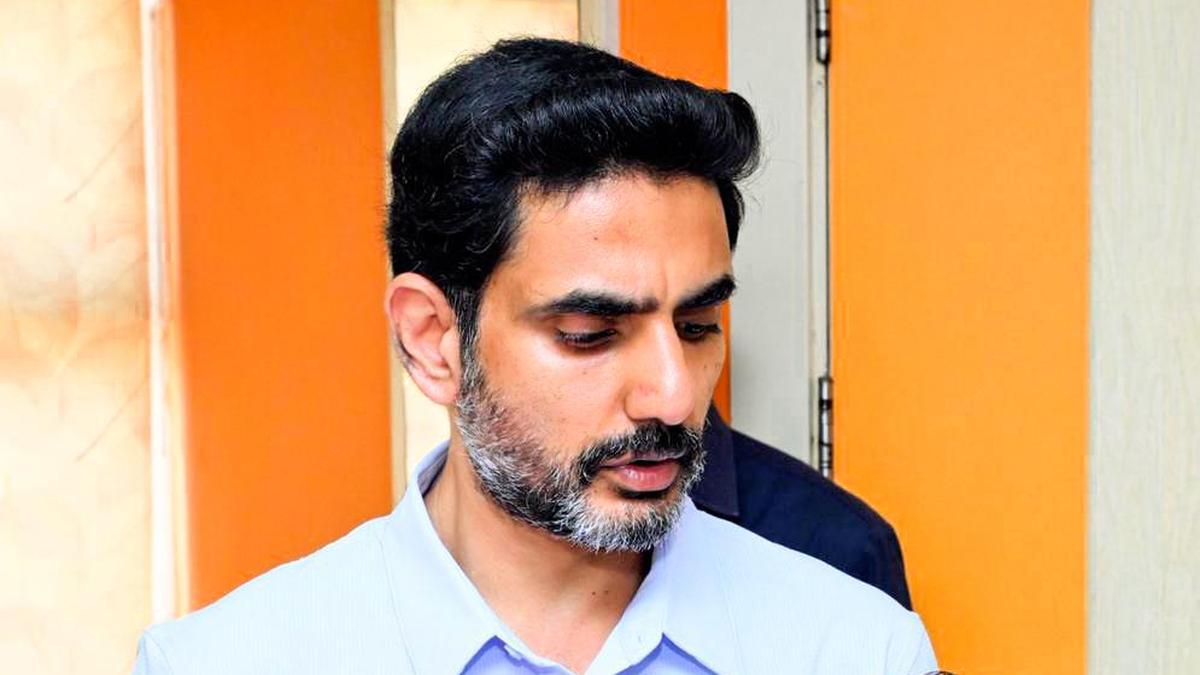
Nara Lokesh, the Minister for Human Resource Development (HRD), has officially launched a new initiative called ‘Project Punarvika.’ This program is designed to provide critical support to children across India who are suffering from rare and severe genetic diseases. The goal is to help thousands of families who are currently struggling to find medical care and financial aid for conditions that are often difficult to treat. By focusing on these rare health issues, the government aims to ensure that no child is left behind due to their medical condition.
Main Impact
The launch of Project Punarvika marks a major shift in how the government handles rare health conditions. For a long time, families dealing with rare genetic diseases have felt invisible because their numbers are small compared to more common illnesses. This project changes that by bringing these "silent" struggles into the spotlight. The main impact will be felt by families who previously had no way to pay for expensive treatments or specialized care. It offers a lifeline to children who face physical disabilities or life-threatening symptoms from a very young age.
Key Details
What Happened
Minister Nara Lokesh announced the start of Project Punarvika during a recent public event. He explained that the initiative is built to find and help children who are living with rare genetic disorders. These are health problems that are passed down through families or caused by changes in a person's DNA. Many of these conditions cause severe physical problems that make it hard for children to walk, talk, or go to school. The project will work to identify these children and provide them with the specific medical help they need.
Important Numbers and Facts
While the exact budget for the project is being finalized, the minister noted that the program aims to reach thousands of children nationwide. Rare diseases affect a small percentage of the population, but in a country as large as India, that still adds up to millions of people. Project Punarvika will focus on the most severe cases where children are facing "crippling" effects. The program will also look into ways to make expensive medicines more affordable for the average family, as some treatments for genetic disorders can cost lakhs of rupees every year.
Background and Context
Rare diseases are a unique challenge for any healthcare system. Because these conditions do not affect many people, drug companies often do not spend much money researching them. This makes the medicine very expensive and hard to find. In India, many parents spend years going from one doctor to another before they even get a correct name for their child's illness. This "diagnostic delay" can lead to the condition getting worse. Project Punarvika is meant to bridge this gap by creating a more organized way to diagnose and treat these rare conditions early on.
Public or Industry Reaction
Health experts and doctors have welcomed the news, noting that genetic health has been ignored for too long. Many advocacy groups that represent patients with rare diseases believe this is a step toward a more fair healthcare system. Parents of children with special needs have expressed relief, hoping that the project will reduce the heavy financial burden they carry. However, some experts also point out that the success of the project will depend on how well the government can coordinate with local hospitals and international medicine suppliers.
What This Means Going Forward
In the coming months, the HRD ministry is expected to release more details on how families can sign up for the program. There will likely be new centers set up to test children for genetic issues. The government may also work with schools to help teachers identify students who might be showing early signs of these diseases. Moving forward, this could lead to a national database of rare diseases, which would help scientists understand these conditions better and find new ways to treat them. The long-term goal is to create a system where a child's health is not determined by how much money their parents have.
Final Take
Project Punarvika is more than just a medical program; it is a promise to the most vulnerable members of society. By focusing on children with rare diseases, the government is acknowledging that every life has value, regardless of how rare their condition might be. If successful, this initiative could change the lives of thousands of families, turning a path of struggle into one of hope and recovery. It sets a strong example of how leadership can use resources to solve problems that are often kept in the dark.
Frequently Asked Questions
What is Project Punarvika?
It is a government initiative launched by Minister Nara Lokesh to support children suffering from rare genetic and crippling diseases across India.
Who can benefit from this project?
The project is designed for children who have rare health conditions that are often difficult to diagnose or very expensive to treat.
Why is this project important for India?
It is important because it provides medical and financial help to families who are often overlooked by the standard healthcare system due to the rarity of their child's illness.