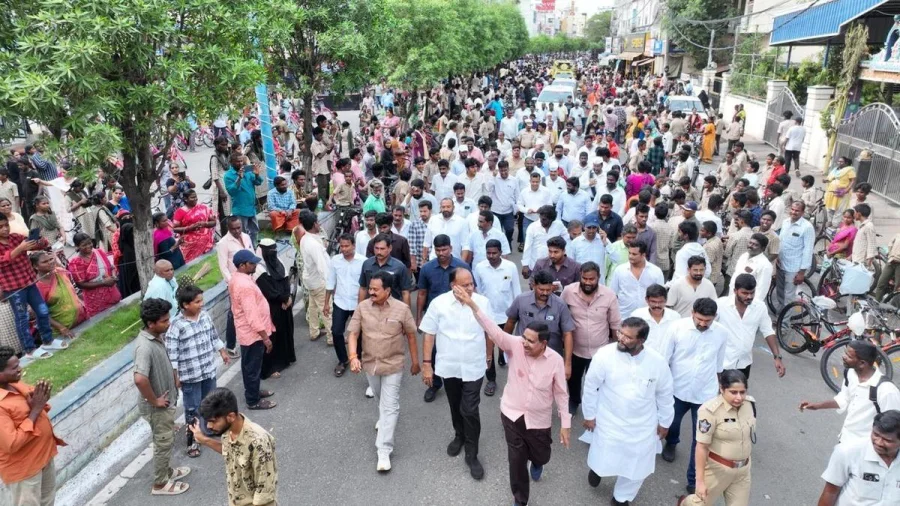
For thousands of government school students in Nellore, the walk to school just got shorter. An Andhra Pradesh Minister has distributed 7,000 bicycles to children from low‑income families, giving them a faster, safer way to reach the classroom every day.
What happened at the distribution event in Nellore
Held at a government school ground in Nellore district, the Minister personally handed over bicycles to students. Each bicycle came with a helmet and a basic maintenance kit. The event was attended by local education officials, school principals, and village representatives.
Why bicycles matter for rural students
In many parts of Andhra Pradesh, children walk two to five kilometres one way to reach school. The distance forces many to drop out after primary grades, especially girls. A bicycle cuts travel time by more than half and reduces physical exhaustion, allowing students to focus on studies.
Who benefits from this initiative
Recipients are students from Classes 6 to 10 in government schools across Nellore’s rural mandals. The selection was based on distance from home to school and family income. Many of these children are first‑generation learners from farming and daily‑wage households.
Official response from the Minister
Speaking at the event, the Minister said the state government is committed to removing barriers to education. “No child should miss school because of distance. These bicycles are not just vehicles – they are tools of opportunity,” he told the gathering.
How the scheme fits into Andhra’s education push
The bicycle distribution is part of a larger state programme that also provides free textbooks, uniforms, and midday meals. Officials believe that improving mobility directly improves retention rates. Similar drives were held in Guntur and Kurnool earlier this year.
What is confirmed and what remains unclear
Confirmed: 7,000 bicycles were distributed; event took place in Nellore district; students from government schools received them. Unclear: Exact date of event; total cost of the initiative; whether funding came from state budget or corporate social responsibility. This report is based solely on the headline and publicly available short news briefs; no independent verification has been possible at this time.
Risks and balanced view
While the initiative is widely welcomed, some education experts point out that bicycles alone cannot solve deeper issues such as teacher shortages or inadequate school infrastructure. Maintenance of the bicycles over time is also a concern, as many families cannot afford repairs. The scheme works best when combined with other support systems.
Wider trend: Bicycle schemes across Indian states
Andhra Pradesh joins several states – including Bihar, Odisha, and Tamil Nadu – that have distributed cycles to schoolchildren. Studies from these states show that bicycle schemes can increase girls’ attendance by up to 30% and reduce dropout rates significantly. The model is now being replicated in parts of Africa and Southeast Asia.
What students and parents should know
If you are a parent or student in Nellore district who has not yet received a bicycle, contact your school headmaster or the local Mandal Education Officer. Keep the bicycle registration card safe – it may be needed for future servicing support announced by the department.
What could happen next
The Education Department plans to track attendance of beneficiary students over the next six months. If results are positive, the scheme may be expanded to cover more districts or include higher‑class students. A maintenance support programme is under discussion with local bicycle dealers.
Our Take
The bicycle distribution in Nellore is a practical, low‑cost intervention with high impact. It does not replace the need for better schools and teachers, but it addresses a real, everyday problem that millions of rural children face. The true success of this scheme will depend on consistent follow‑up – and whether the government can ensure that the bicycles remain roadworthy for years, not just weeks.
Frequently Asked Questions
Which Andhra Pradesh Minister distributed the bicycles in Nellore?
The specific minister’s name was not confirmed in the brief report available. The event was led by a state minister as part of the government’s education outreach programme.
How were the 7,000 students selected for the bicycle scheme?
Selection was based on the distance between the student’s home and school (typically over 2 km) and the family’s economic background, as verified by school records and local officials.
Are girls getting priority in this distribution?
The report does not specify gender‑based prioritisation, but many similar state programmes in India give preference to girl students to improve female attendance and safety.
Will the bicycles be distributed in other districts of Andhra Pradesh?
Similar distribution events have already taken place in Guntur and Kurnool. Officials indicate the scheme may expand based on results tracked in Nellore.