Summary
The United States launched a new round of military strikes against Iran on Monday, hours after President Donald Trump announced a policy reversal on charging ships for safe passage through the Strait of Hormuz. Trump said the U.S. would reinstate a blockade and charge a 20% fee on cargo value to cover security costs. Iran mocked the proposal, saying it would be fairer with lower fees, while insisting it controls the critical waterway. The escalating conflict threatens to undo a fragile interim peace deal and could disrupt global oil markets.
Main Impact
The new U.S. strikes and Trump's toll proposal mark a sharp escalation in tensions with Iran, just weeks after a ceasefire was reached. The U.S. military said it hit dozens of Iranian sites, including air defense systems and missile equipment, in response to an Iranian attack on a container ship. Meanwhile, Trump's plan to charge ships for using the Strait of Hormuz has drawn criticism from international shipping authorities and raised fears of higher oil prices and economic disruption. Brent crude oil prices rose 7.8% to $81.92 a barrel on Monday, though still below wartime highs.
Key Details
What Happened
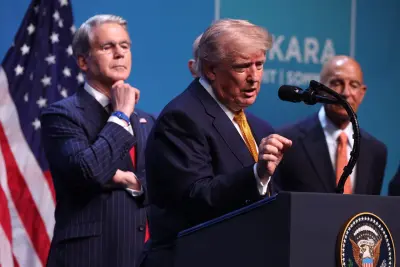
U.S. Central Command announced new strikes against Iran on Monday, saying they would "continue imposing a heavy cost on Iranian forces." Trump called it "another major attack" and said the U.S. is "knocking out all of their offensive capability." The strikes came after Iran attacked a container ship, prompting the U.S. response. Trump also said the U.S. is reinstating a blockade of Iranian ports and will charge ships a 20% fee on cargo value for safe passage through the strait.
Important Numbers and Facts
The U.S. military said it struck dozens of sites Monday, including air defense systems, radar sites, missile and drone equipment, and small boats. It used drone ships for the first time to hit an Iranian ship maintenance facility and submarine on Sunday. Brent crude oil rose 7.8% to $81.92 a barrel. The U.S. blockade of Iranian ports will resume Tuesday at 4 p.m. EDT. Iran reported attacks in four provinces, with at least two people killed. Before the war, a fifth of the world's oil and gas passed through the Strait of Hormuz.
Background and Context
The Strait of Hormuz is a narrow waterway between Iran and Oman that is critical for global oil shipments. The U.S. and Israel attacked Iran on Feb. 28, leading to a war that disrupted shipping and drove up energy prices. An interim peace deal last month called for reopening the strait and lifting a U.S. blockade. But recent Iranian attacks on ships and U.S. strikes have cast doubt on the ceasefire. Trump said the deal was "built to test" Iran and declared it "over" last week. Iran insists it has the right to manage traffic through the strait and potentially charge fees.
Public or Industry Reaction
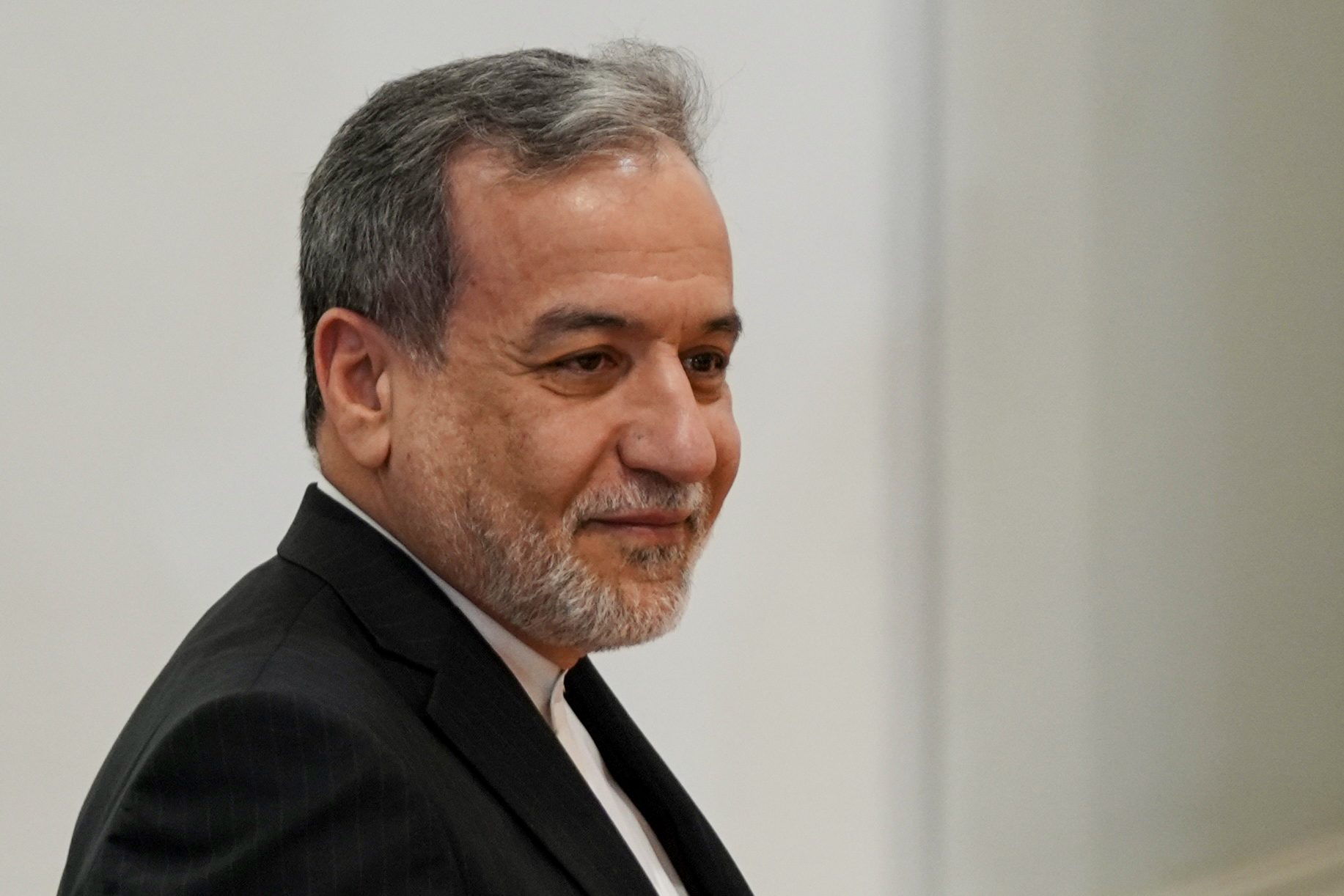
Iran's Foreign Minister Abbas Araghchi mocked Trump's toll proposal on social media, saying "20% is of course too much. We will be fair." He said Iran has always been the guardian of the strait. The International Maritime Organization, a UN agency, said there is no legal basis for mandatory tolls on international waterways. Kuwait reported attacks on its consulate in Iraq and a maritime oil drilling platform. Jordan said it shot down four Iranian missiles with no casualties. Iran blamed Washington for the chaos and said it won't allow UN nuclear inspections at sites bombed by the U.S. in 2025.
What This Means Going Forward
The escalating conflict risks a return to all-out war between the U.S. and Iran. Trump's toll proposal violates global norms on freedom of navigation and could raise tensions further. Mediators including Pakistan, Qatar, and Egypt are still trying to reach a final agreement, but the U.S. and Iran are nearly halfway through a 60-day negotiation period. If the fighting continues, oil prices could rise further, hurting consumers and businesses worldwide. The situation remains highly unstable, with both sides showing no signs of backing down.
Final Take
The U.S. and Iran are locked in a dangerous cycle of attacks and retaliation that threatens to undo any progress toward peace. Trump's decision to charge tolls for the Strait of Hormuz has backfired, giving Iran a chance to mock the U.S. and justify its own claims over the waterway. With no clear path to de-escalation, the risk of a wider war and economic disruption remains high.
Frequently Asked Questions
Why is the Strait of Hormuz important?
The Strait of Hormuz is a narrow waterway between Iran and Oman that is a key route for global oil shipments. Before the war, about a fifth of the world's oil and gas passed through it. Any disruption to shipping there can drive up energy prices worldwide.
What is the U.S. proposing to charge ships?
President Trump said the U.S. will charge a 20% fee on the value of cargo for ships using the Strait of Hormuz. He said this would cover the cost of providing security. Iran and international shipping authorities have criticized the plan, saying it violates international law.
Is the ceasefire between the U.S. and Iran still in place?
The interim peace deal reached last month appears to be collapsing. Trump declared it "over" last week, and both sides have carried out new attacks. Mediators are still trying to negotiate a final agreement, but the situation remains tense and unstable.