Summary
The Iranian Revolutionary Guard has issued a stern warning, stating it is ready to launch powerful attacks if military conflict with the United States and Israel resumes. This statement comes shortly after U.S. President Donald Trump announced an extension of the current ceasefire to allow for more negotiations. Despite the truce, tensions remain high as the U.S. maintains a naval blockade and Iran continues to interfere with shipping in the region. The situation is fragile, with diplomatic talks currently on hold.
Main Impact
The primary impact of these developments is the continued instability in one of the world’s most important trade routes. While a formal truce exists on paper, the reality on the ground—and at sea—suggests that both sides are still preparing for a larger fight. Iran’s threat to use "crushing blows" shows that they are not backing down despite economic and military pressure. Meanwhile, the U.S. decision to keep the naval blockade in place ensures that the Iranian economy remains under heavy strain, which could either force a deal or trigger a new round of violence.
Key Details
What Happened
On Wednesday, the Iranian Revolutionary Guard announced through the Mehr news agency that they are fully prepared to defend against any new attacks. They specifically mentioned their ability to destroy what remains of "enemy assets" in the region. This aggressive language followed a social media post from President Donald Trump, who said he would extend the ceasefire. Trump’s goal is to give Iran more time to present a formal proposal for a long-term peace deal. However, the U.S. is not giving up its leverage, as the naval blockade of the Strait of Hormuz remains active.
Important Numbers and Facts
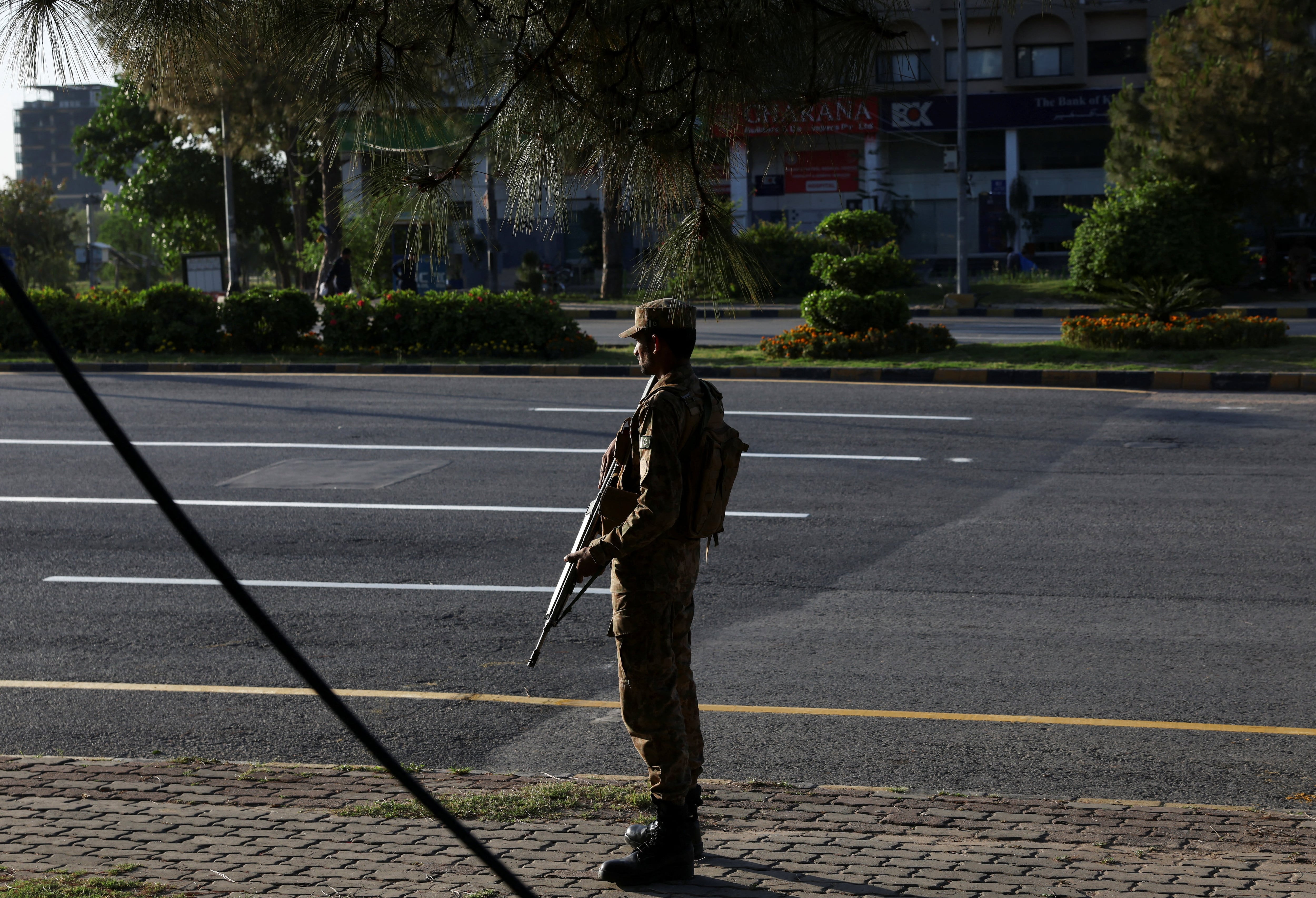
The tension moved from words to action early Wednesday morning. The United Kingdom Maritime Trade Operations (UKMTO) reported that an armed boat belonging to the Iranian Revolutionary Guard boarded a container ship. This incident took place 15 nautical miles northeast of Oman. This area is a critical path for global oil shipments. On the diplomatic side, U.S. Vice President JD Vance was scheduled to lead a delegation for peace talks, but his trip has been delayed indefinitely. Iranian officials have also stated they have not yet decided if they will attend the planned meetings in Pakistan.
Background and Context
The conflict between the U.S., Israel, and Iran has been building for years, but recent months have seen a sharp increase in direct military actions. The Strait of Hormuz is a narrow waterway that connects the Persian Gulf with the Gulf of Oman and the Arabian Sea. It is the most important oil transit point in the world. Because so much of the world's energy supply passes through this area, any conflict there causes global gas prices to rise and creates economic fear. The U.S. uses its navy to keep these lanes open, while Iran often uses its military to threaten shipping as a way to gain power in negotiations.
Public or Industry Reaction
The shipping industry is on high alert following the boarding of the container ship near Oman. Security experts warn that even with a truce in place, the waters remain dangerous for commercial vessels. In the political world, there is confusion regarding the next steps for peace. Iranian Foreign Ministry spokesperson Esmaeil Baghaei told state television that the government is still weighing its options. In the U.S., some critics argue that the blockade is necessary to keep pressure on Iran, while others worry that it makes a permanent peace deal harder to reach. The delay of Vice President Vance’s trip suggests that the U.S. government is waiting for a clearer sign of cooperation from Tehran.
What This Means Going Forward
The next few weeks will be critical for the region. If Iran decides to attend the talks in Pakistan, it could lead to a more stable ceasefire. However, if the Revolutionary Guard continues to board ships or use aggressive language, the U.S. may end the truce and resume military strikes. The naval blockade is the biggest point of contention. Iran wants the blockade lifted before they agree to any terms, but President Trump has made it clear that the blockade will only end once a final agreement is signed. This "wait and see" approach keeps the global economy in a state of uncertainty.
Final Take
The current situation is a dangerous game of chicken. Both the United States and Iran are using a mix of diplomacy and military threats to get what they want. While the extension of the truce offers a small window for peace, the incident near Oman proves that the threat of war is still very real. Without a major breakthrough in the Pakistan talks, the region remains one mistake away from a much larger conflict.
Frequently Asked Questions
Why is the Strait of Hormuz so important?
It is a vital waterway where a large portion of the world's oil and natural gas is transported. Any disruption there can cause global energy prices to spike quickly.
What is the purpose of the U.S. naval blockade?
The U.S. is using the blockade to limit Iran's ability to trade and move military supplies. President Trump believes this pressure will force Iran to agree to a new peace deal.
Is the war currently active?
There is an official truce or ceasefire in place, but military actions like ship boardings and verbal threats continue, meaning the situation is not yet peaceful.