Summary
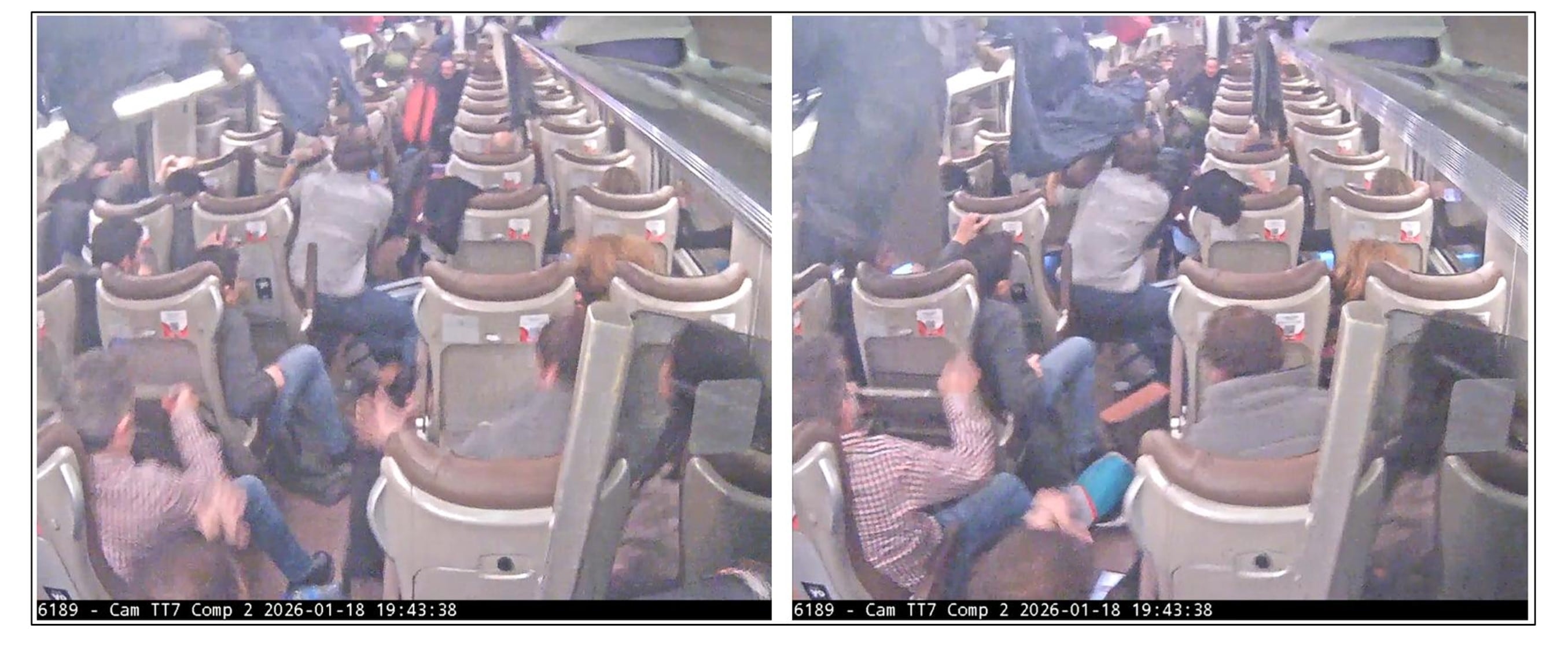
New evidence has come to light regarding the tragic train accident in Adamuz, Cordoba, which occurred earlier this year. A report from the Railway Accident Investigation Commission (CIAF) includes the first photos from inside the Iryo train involved in the crash. These images support the theory that a broken rail on the Madrid-Sevilla high-speed line was the primary cause of the disaster. This finding is a major step in the legal investigation into the deaths of 46 people.
Main Impact
The discovery of a broken rail shifts the focus of the investigation toward the condition of the tracks. Instead of looking at the actions of the drivers or the mechanics of the trains, experts are now looking at the infrastructure itself. If a broken rail is confirmed as the cause, it suggests that the track failed under the weight or speed of the train. This could lead to a massive safety review of all high-speed rail lines in Spain to ensure no other sections of track are at risk of breaking.
Key Details
What Happened
On January 18, 2026, an Iryo train was traveling on the high-speed line between Madrid and Sevilla. Near the town of Adamuz, the train suddenly came off the tracks. Shortly after this derailment, it collided with an Alvia train. The impact was severe, leading to a high number of casualties. The new report submitted to the court in Montoro uses interior photos to show how the train reacted during the crash, which helps confirm that the track gave way before the collision happened.
Important Numbers and Facts
The accident resulted in 46 confirmed deaths, making it one of the most serious rail disasters in recent history. The CIAF is the official government body that looks into why train accidents happen. The Madrid-Sevilla line, where the crash occurred, is the oldest high-speed route in the country. It has been in use since 1992. The investigation is currently being handled by a judge in Montoro who will decide if any organizations are legally responsible for the tragedy.
Background and Context
To understand why this report is so important, it helps to know how high-speed trains operate. These trains move at very high speeds, often over 250 kilometers per hour. Because they move so fast, the tracks must be in perfect condition. Even a small crack in the metal rail can cause a train to jump off the tracks. The Madrid-Sevilla line is a very busy route used by many different train companies. Iryo is a private company that recently began operating in Spain, while Alvia is a service run by the state-owned company Renfe. The tracks themselves are managed by a different state company called Adif, which is responsible for keeping the rails safe and in good repair.
Public or Industry Reaction
The news that a broken rail might be the cause has caused a lot of concern among the public and the rail industry. Families of the victims are asking why the broken rail was not found during regular safety checks. Railway worker unions have also spoken out, suggesting that more money and staff are needed to maintain the aging high-speed lines. There is a growing demand for Adif to explain their maintenance schedule and how they check for cracks in the metal rails. People who use the train every day are also worried about whether the tracks they travel on are truly safe.
What This Means Going Forward
The investigation will now focus on maintenance records and safety logs. Investigators will look for evidence of when that specific section of track was last inspected. They want to know if there were any warning signs that the rail was weak. For the legal case, this evidence could lead to criminal charges if it is proven that the track was not properly maintained. In the short term, passengers might see more maintenance work on the tracks, which could lead to slower travel times as engineers perform extra safety tests across the entire network.
Final Take
This new report provides a clearer picture of what went wrong on that tragic day in January. By identifying a broken rail as the likely cause, investigators can now focus on fixing the systemic issues that led to the failure. Ensuring the safety of the tracks is the only way to prevent such a loss of life from happening again and to restore trust in the railway system.
Frequently Asked Questions
What caused the train accident in Adamuz?
A new report suggests that a broken rail on the high-speed track caused the Iryo train to derail and then collide with an Alvia train.
How many people were affected by the crash?
The accident on January 18 resulted in 46 deaths and many injuries, making it a major national tragedy.
Who is responsible for maintaining the tracks?
In Spain, a state-owned company called Adif is responsible for the maintenance and safety of the railway infrastructure, including the high-speed lines.