Summary
The National Academy of Sciences in the United States has officially withdrawn a high-profile study on pancreatic cancer. The research, led by the well-known chemist Mariano Barbacid, claimed to find a way to treat this deadly disease in mice. However, the journal decided to remove the paper because the authors did not disclose their business interests. It was discovered that the lead scientists own a company that would benefit financially from the success of the treatment described in the study.
Main Impact
This decision is a major blow to the credibility of the research team and the specific cancer treatment they were promoting. In the world of science, honesty about money and business ties is just as important as the accuracy of the data. By hiding their connection to a private company, the researchers broke the rules of transparency that keep science fair. This retraction means the study is no longer considered a reliable part of the official scientific record, which could slow down the development of the actual medicine.
Key Details
What Happened
The journal known as the Proceedings of the National Academy of Sciences (PNAS) had been looking into this case since February. After a careful review, the editors found that Mariano Barbacid and his colleagues, Carmen Guerra and Vasiliki Liaki, failed to mention a significant conflict of interest. They are co-owners of a company called Vega Oncotargets. This business was set up specifically to create and sell new therapies for pancreatic cancer based on their laboratory findings. Because they did not report this when they submitted their paper, the journal decided to cancel the publication entirely.
Important Numbers and Facts
The study focused on an experimental therapy that showed positive results in mice. While the research gave hope to many, it had not yet been tested on humans. The investigation into the team's business ties lasted about two months before the final decision was made this April. The company at the center of the issue, Vega Oncotargets, was founded to turn these specific laboratory discoveries into a commercial product. Under standard scientific rules, any researcher with more than a small financial stake in a related company must inform the journal and the readers.
Background and Context
Pancreatic cancer is one of the most difficult diseases to treat. It is often called a "silent killer" because it is usually found too late for surgery to work. Because the survival rates are so low, any news about a potential cure or a major breakthrough travels fast and creates a lot of excitement. Mariano Barbacid is a famous figure in cancer research, which made this study even more influential. When a scientist of his level is accused of hiding financial interests, it sends shockwaves through the medical community. The rules for disclosing business ties exist to ensure that scientists are motivated by truth and helping patients, rather than just making their own companies more valuable.
Public or Industry Reaction
The scientific community generally supports the journal's decision to pull the paper. Many experts believe that maintaining high ethical standards is the only way to keep the public's trust. If people think scientists are only publishing results to get rich, they might stop believing in medical progress altogether. However, some supporters of the research worry that the actual science might be lost because of an administrative error. They argue that if the treatment truly works in mice, it should still be studied, even if the authors were not honest about their company.
What This Means Going Forward
For Mariano Barbacid and his team, this is a serious setback. They may try to submit the study again to a different journal with the correct financial disclosures, but many editors will be hesitant to work with them now. This case serves as a warning to other researchers who are also entrepreneurs. As more scientists start their own companies to develop drugs, the pressure to show "perfect" results increases. Moving forward, journals are likely to be even more strict about checking the business backgrounds of every author who submits a paper.
Final Take
Science relies on a foundation of total honesty. When researchers hide their business interests, they damage the trust that patients and other doctors place in their work. While the search for a cure for pancreatic cancer must continue, it must be done with full transparency. This retraction reminds us that how a study is reported is just as vital as the experiments themselves.
Frequently Asked Questions
Why was the study removed?
The study was removed because the lead researchers did not tell the journal that they owned a company that would profit from the treatment mentioned in the paper.
Does this mean the cancer treatment doesn't work?
Not necessarily. The study was retracted because of a lack of honesty about business ties, not because the data was proven to be fake. However, the results are now viewed with much more doubt.
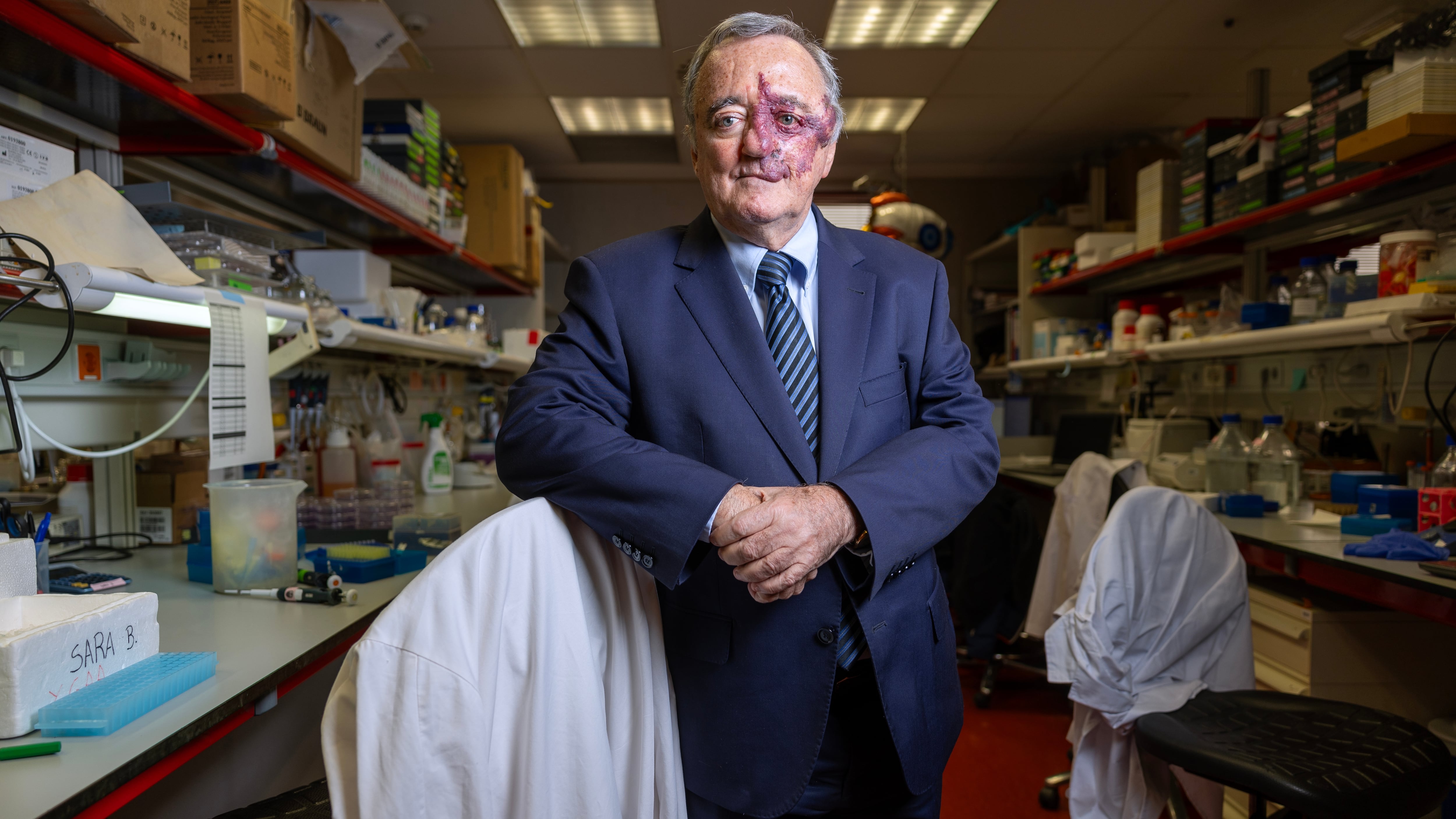
Who is Mariano Barbacid?
He is a very famous Spanish chemist and cancer researcher who has spent decades studying how tumors grow. This retraction is a significant event in his long career.