Summary
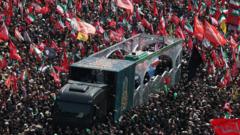
Massive crowds gathered in Tehran on Monday for the funeral procession of Iran's former Supreme Leader, Ayatollah Ali Khamenei. The streets were filled with mourners waving Iranian flags and red banners that symbolize a call for vengeance. The event marks a significant moment in Iran's history, as the nation mourns a leader who died in war.
Main Impact
The funeral procession drew huge numbers of people to the streets of Tehran, showing the deep loyalty many Iranians have for their former leader. The red banners, which are a traditional symbol of revenge, suggest that some supporters are calling for action following Khamenei's death in conflict. This event could shape public sentiment and political direction in Iran in the coming days.
Key Details
What Happened
On Monday, Tehran saw one of its largest public gatherings in recent years as people came out to honor Ayatollah Ali Khamenei. The former supreme leader died during a war, though specific details about the conflict have not been fully disclosed. Mourners carried flags and banners, with many chanting slogans in support of the late leader.
Important Numbers and Facts
Reports indicate that hundreds of thousands, possibly over a million people, lined the streets of Tehran. The procession lasted several hours, with the casket carried through major avenues. Red banners, known as "banners of revenge," were widely seen, a tradition in Iran when a high-ranking figure is killed in war.
Background and Context
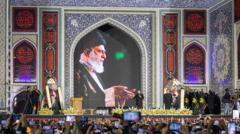
Ayatollah Ali Khamenei had been Iran's supreme leader for decades, holding the highest political and religious authority in the country. His death in war is a rare event for a leader of his stature. Iran has a history of large public funerals for its leaders, but this one is notable because of the war context and the calls for vengeance. The red banners are a cultural symbol used to demand justice or retaliation.
Public or Industry Reaction
Many Iranians expressed grief and anger during the procession. Some chanted "Death to enemies" and called for revenge. International observers noted the scale of the turnout, which reflects the strong emotional connection many citizens have with the former leader. However, there were also reports of smaller groups who opposed the late leader's policies, though they were not visible during the main event.
What This Means Going Forward
The funeral could strengthen calls for a more aggressive foreign policy from Iran, especially if the new leadership responds to public demands for vengeance. The event may also affect internal politics, as different factions within Iran's government compete to shape the country's next steps. The large turnout shows that Khamenei still has significant support, which could influence how his successor is chosen.
Final Take
The massive funeral for Ayatollah Khamenei in Tehran is a powerful display of loyalty and grief. The red banners of vengeance signal that many Iranians want action following his death in war. How Iran's leaders respond to this public mood will be key in the weeks ahead.
Frequently Asked Questions
Why were red banners used at the funeral?
Red banners in Iran are a traditional symbol of vengeance, often used when a high-profile figure is killed in war. They show that mourners are calling for revenge against those responsible.
How many people attended the funeral?
Reports suggest hundreds of thousands, possibly over a million people, filled the streets of Tehran for the procession. Exact numbers are hard to confirm, but it was one of the largest gatherings in recent years.
What happens next after the funeral?
Iran will likely hold a period of mourning and then begin the process of selecting a new supreme leader. The public calls for vengeance may also push the government to take a stronger stance in ongoing conflicts.