
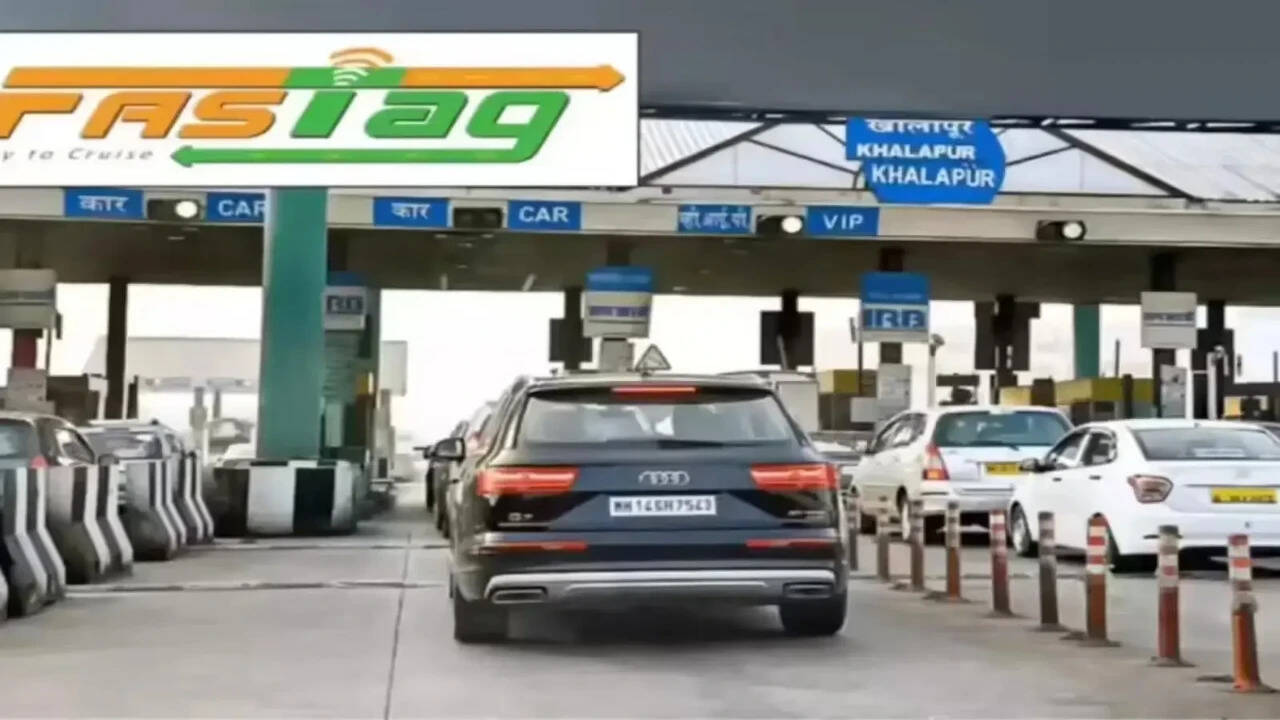
Summary
The National Highways Authority of India (NHAI) has issued a new directive to banks regarding the FASTag system. Banks are now required to verify the vehicle registration numbers for every FASTag they issue. This move is designed to ensure that the data on the tag matches the actual vehicle using the road. By enforcing stricter verification, the government aims to reduce toll tax evasion and improve the overall efficiency of highway travel across the country.
Main Impact
This decision will have a significant impact on how toll collection works in India. The primary goal is to stop the misuse of FASTags, where some users link a tag meant for a small car to a larger commercial vehicle to pay lower fees. By making banks responsible for verifying vehicle details, the NHAI is closing a loophole that has caused revenue losses for years. For the average driver, this means the system will become more reliable, but it also means that any errors in vehicle documentation must be fixed quickly to avoid travel delays.
Key Details
What Happened
The NHAI has officially asked all banks that provide FASTag services to cross-check vehicle numbers with the national vehicle registry. This registry, known as the Vahan database, contains the official records of every registered vehicle in India. Banks must ensure that the vehicle class, such as a car, bus, or truck, matches the tag type issued to the customer. If a mismatch is found, the tag could be deactivated or blacklisted, preventing the vehicle from passing through electronic toll lanes smoothly.
Important Numbers and Facts
Currently, more than 98% of vehicles using Indian national highways pay their tolls through FASTag. With millions of active users, the system handles a massive amount of data every day. The "One Vehicle, One FASTag" rule was introduced earlier to prevent people from using multiple tags for one car or one tag for multiple cars. This latest verification step is an extension of that policy. Banks have been given a specific timeline to complete these checks to ensure that the digital tolling system remains honest and functional.
Background and Context
FASTag is a digital system that uses Radio Frequency Identification (RFID) technology to collect toll payments directly from a linked bank account. It was created to stop long lines at toll booths and save fuel by allowing cars to keep moving. While the system has been very successful, some people found ways to trick it. For example, a truck owner might use a FASTag registered for a small car because car tolls are much cheaper. This practice, known as "class mismatch," causes problems for highway authorities who need that money to maintain the roads. By linking the bank's data directly to the Vahan database, the NHAI is making it much harder for these tricks to work.
Public or Industry Reaction
The banking industry is preparing to update its digital systems to handle this request. While it adds an extra step to the process of issuing a tag, many experts believe it is a good move for the transport sector. Transport companies have expressed that a fair system helps honest businesses compete. On the other hand, some individual vehicle owners are worried about technical glitches. If the Vahan database has incorrect information about a car, the owner might face trouble at toll plazas even if they have paid for their tag. Banks are expected to set up help desks to resolve these kinds of data errors for their customers.
What This Means Going Forward
In the coming months, vehicle owners should check their FASTag status through their bank's mobile app or website. If your vehicle registration number is not correctly updated, you might receive a message asking for more documents. It is important to respond to these requests to keep your tag active. The NHAI is also looking at new technologies like GPS-based tolling, but for now, making the FASTag system more secure is the main priority. This verification process will likely become a standard part of getting a new car or renewing vehicle insurance in the future.
Final Take
The push for vehicle number verification is a clear sign that the government wants a more transparent and high-tech highway system. While it requires more work from banks and a bit of attention from drivers, the result will be a fairer system for everyone. Ensuring that every vehicle pays the correct amount helps fund better roads and safer travel for all citizens. Keeping your vehicle records updated is now more important than ever for a stress-free journey on India's highways.
Frequently Asked Questions
Why is the NHAI asking banks to verify vehicle numbers?
The NHAI wants to make sure that each FASTag is used on the correct vehicle. This prevents people from using the wrong tag to pay lower toll rates and ensures the system is fair for all drivers.
What happens if my FASTag details do not match my vehicle?
If there is a mismatch between your tag and your vehicle registration, your FASTag could be blacklisted. This means you would have to pay double the toll amount in cash or buy a new, correct tag at the toll plaza.
How can I check if my FASTag is verified?
You can check your status by logging into your FASTag provider's app or website. You should also make sure your vehicle registration number is correctly listed in your profile and that your KYC (Know Your Customer) details are up to date.



