
Summary
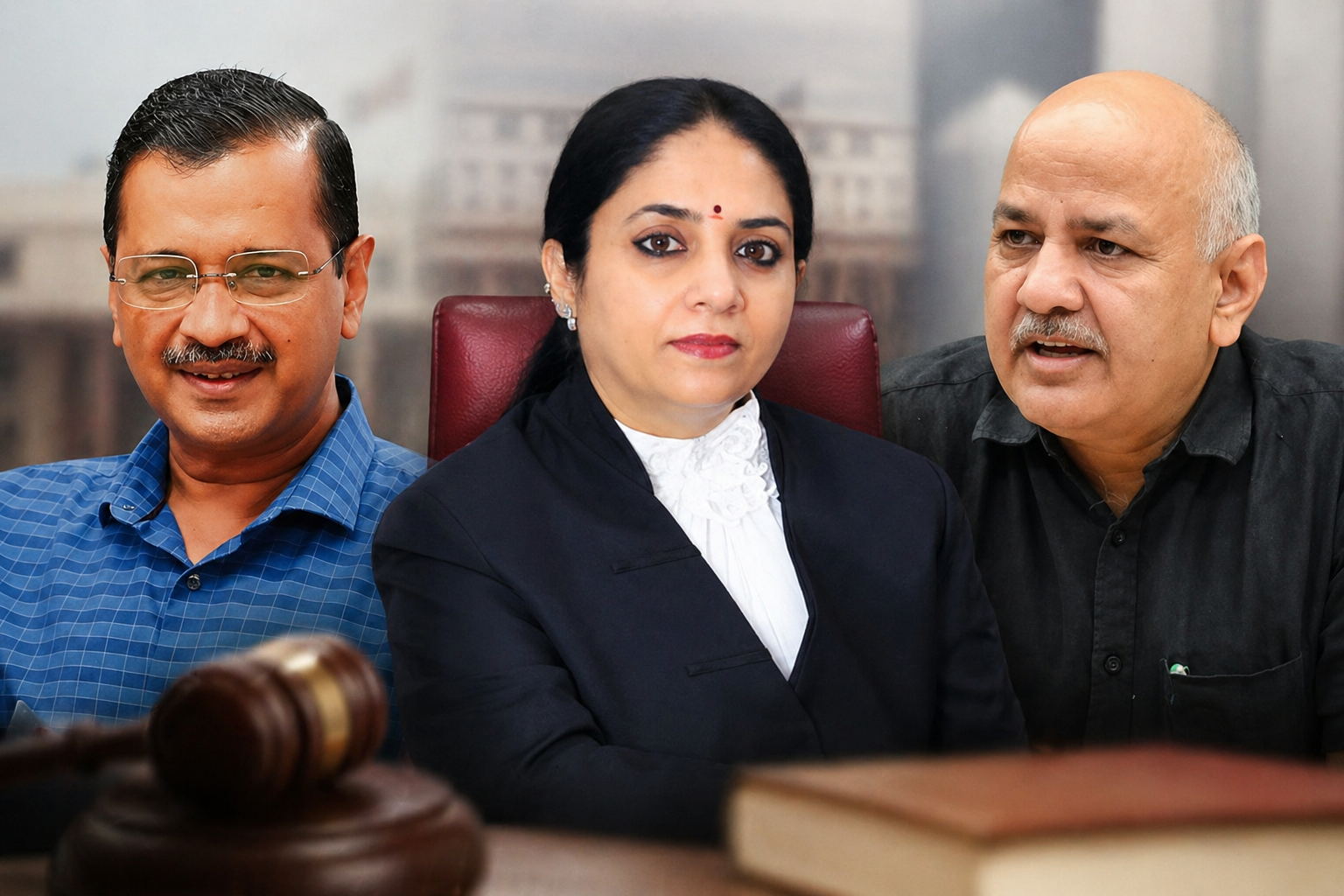
The Delhi High Court has officially turned down a request from Arvind Kejriwal to change the judge overseeing his legal case. Kejriwal, who is the Chief Minister of Delhi, asked for Justice Swarana Kanta Sharma to step away from the excise policy case, claiming there might be bias. However, the court found no evidence to support these claims and kept the judge in place. In response, both Kejriwal and former Deputy Chief Minister Manish Sisodia have refused to appear before the judge, leading to a major disagreement between the Aam Aadmi Party (AAP) and the court system.
Main Impact
This decision by the Delhi High Court sends a strong message about how the legal system works in India. By refusing to change the judge, the court is protecting the idea that defendants cannot pick and choose who hears their case. This situation has caused a direct conflict between the leaders of the Delhi government and the judiciary. The refusal of Kejriwal and Sisodia to attend court sessions could lead to further legal trouble, including charges of not following court orders. It also slows down the trial for the excise policy case, which has already been going on for a long time.
Key Details
What Happened
Arvind Kejriwal filed a legal plea asking Justice Swarana Kanta Sharma to recuse herself. In simple terms, "recuse" means a judge steps down from a case because they might have a personal interest or bias. Kejriwal’s team argued that the judge’s previous rulings showed she might not be fair. The High Court looked at these claims and decided they were not based on facts. The court stated that a judge cannot be removed just because a person does not like their previous decisions. After the court said no, Kejriwal and Manish Sisodia decided they would not participate in the hearings led by this specific judge.
Important Numbers and Facts
The case involves the 2021-22 Delhi excise policy, often called the "liquor scam" case. Several high-ranking members of the AAP have been arrested in connection with this investigation. The court pointed out that "forum shopping"—the act of trying to find a judge who might be more favorable—is not allowed. The judge noted that the legal process must be followed by everyone, regardless of their political position or power. The court also mentioned that making baseless claims against a judge hurts the entire legal system's reputation.
Background and Context
The excise policy case started when the Delhi government changed the rules for selling alcohol in the city. The goal was to modernize the business and increase tax money. However, investigators claimed that the policy was designed to help certain private companies in exchange for bribes. These bribes were allegedly used by the AAP to fund election campaigns in other states. Since the investigation began, several leaders have been put in jail. This case is very important because it involves the top leadership of Delhi and has become a major point of political fighting between the AAP and the central government.
Public or Industry Reaction
The reaction to this courtroom showdown has been split. Supporters of the AAP believe that the central government is using legal agencies to target their leaders. They view the request to change the judge as a way to ensure a fair trial. On the other hand, legal experts and opposition parties argue that the AAP is trying to bully the courts. The High Court itself was very firm, warning that attacking the independence of judges is a serious matter. Many people in the legal community agree that allowing defendants to choose their judges would make the law weak and unfair.
What This Means Going Forward
The next steps in this case will be very important. If Kejriwal and Sisodia continue to refuse to appear in court, the judge could take strict action. This might include issuing warrants or starting "contempt of court" proceedings, which happen when someone ignores a court's authority. The trial for the excise policy will continue, but these delays make it harder to reach a final verdict. This standoff also sets a precedent for how other politicians might act in court. If the court remains firm, it will show that the law is the same for everyone, even for those in high office.
Final Take
The battle between the AAP leaders and the Delhi High Court is about more than just one case. It is about whether political leaders must follow the same rules as every other citizen. By standing by its judge, the court is defending its right to operate without political pressure. While the AAP continues to fight the charges, their decision to skip court sessions adds a new and difficult layer to an already complicated legal situation. The focus now remains on whether the legal process can move forward smoothly or if this standoff will lead to even more conflict.
Frequently Asked Questions
What does it mean to ask a judge to recuse themselves?
It means asking a judge to stop hearing a case because they might have a conflict of interest or a bias that prevents them from being fair to both sides.
What is forum shopping in a legal case?
Forum shopping is when a person tries to move their case to a different court or judge because they think they will get a better or more favorable result there.
Why are Arvind Kejriwal and Manish Sisodia in court?
They are involved in a case regarding the Delhi excise policy. Investigators claim there were illegal activities and bribery involved in how liquor licenses were given out in the city.



