Summary
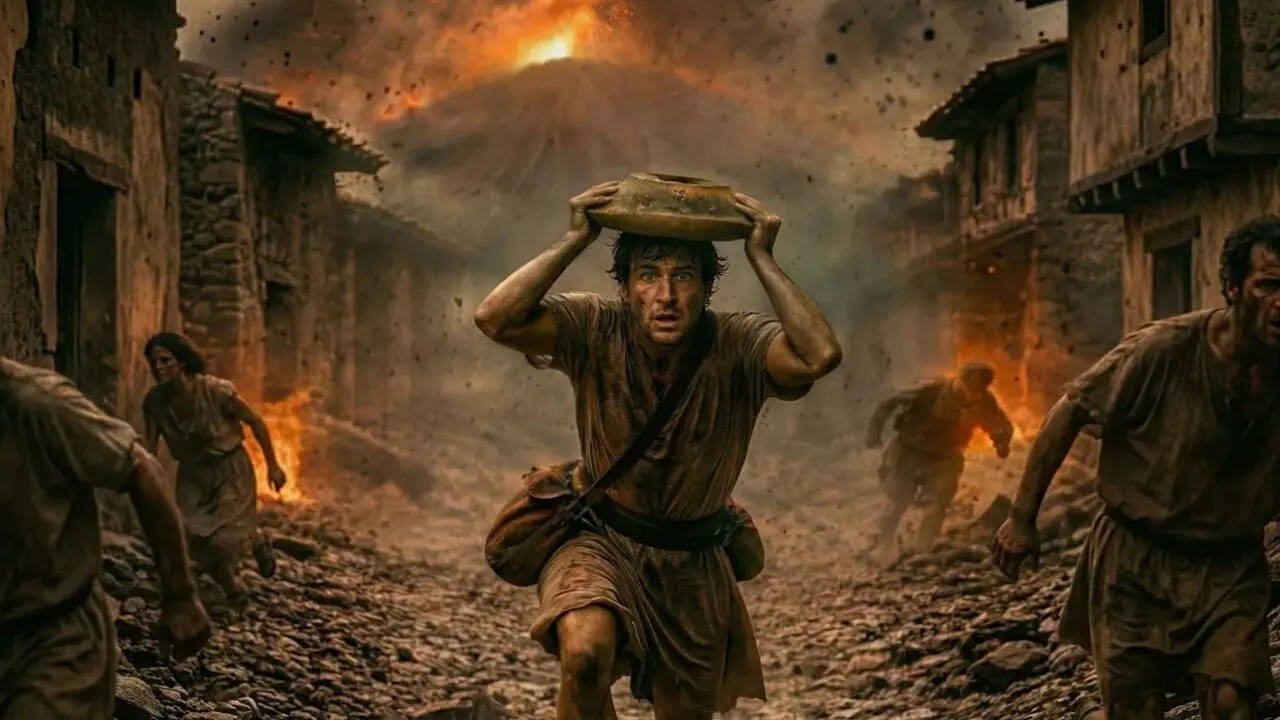
Archaeologists have successfully used artificial intelligence to recreate the face of a person who died during the famous eruption of Mount Vesuvius. This project brings a new level of detail to our understanding of the victims who lived in the ancient city of Pompeii. By using advanced digital tools, researchers can now show the world what these people actually looked like before the disaster. This work helps bridge the gap between modern science and ancient history, making the tragic events of the past feel much more personal and real to people today.
Main Impact
The primary impact of this development is the humanization of history. For a long time, the victims of Pompeii were seen as plaster casts or skeletons found in the ruins. Now, through the power of AI, they are being seen as real individuals with unique facial features. This change allows the public to connect with the victims on an emotional level. It also demonstrates how technology can be used to preserve and interpret history in ways that were never possible before. This project sets a new standard for how archaeological finds are presented to the world.
Key Details
What Happened
Researchers began by selecting a well-preserved skull from a victim found in the Pompeii ruins. They used high-resolution scans to create a 3D model of the bone structure. After the digital model was ready, they applied artificial intelligence software designed for forensic reconstruction. This software analyzes the shape of the bones to determine where muscles, fat, and skin would have been. The AI uses a massive database of human facial structures to make the most accurate guess possible about the person's appearance. The result is a lifelike image that shows the man’s eyes, nose, and skin texture, giving him a face after nearly 2,000 years.
Important Numbers and Facts
The eruption of Mount Vesuvius took place in the year 79 AD. It is estimated that the city of Pompeii was home to about 12,000 to 15,000 people at the time. When the volcano erupted, it buried the city under a layer of ash and stone that was up to 20 feet deep. So far, archaeologists have discovered the remains of over 1,000 victims. The AI used in this specific reconstruction processed thousands of data points to ensure the facial proportions were scientifically accurate. This digital method is much faster and often more precise than traditional clay modeling used in the past.
Background and Context
Pompeii was a busy Roman city located near modern-day Naples, Italy. It was a place of trade, art, and daily life until the sudden eruption of Mount Vesuvius changed everything. The volcano released a deadly cloud of hot gas and ash that moved faster than people could run. Many victims were frozen in their final moments, and their bodies left hollow spaces in the hardened ash. In the 1800s, archaeologists began filling these spaces with plaster to create casts of the victims. While these casts show the shapes of their bodies and even their clothes, they do not show their faces. This AI project is the next step in uncovering the true identity of the people who lived there.
Public or Industry Reaction
The reaction from the scientific community has been very positive. Many experts believe that this technology will change how museums display ancient remains. Instead of just showing bones, museums can now show faces, which makes the exhibits more engaging for visitors. Some historians have noted that seeing a face makes the tragedy of Pompeii feel more urgent and sad. While some people have raised questions about how accurate AI can truly be, the researchers emphasize that they follow strict forensic rules. They use the same methods that police use to identify modern-day victims, which adds a high level of trust to the work.
What This Means Going Forward
Looking ahead, this technology will likely be used to reconstruct more faces from Pompeii and other historical sites around the world. It could help scientists learn more about the health and lifestyle of ancient Romans. For example, facial features can sometimes reveal clues about a person's diet or the types of work they did. There is also the possibility of using DNA evidence alongside AI to determine eye color or hair type more accurately. As the software improves, these reconstructions will become even more realistic. This could lead to a future where we can "meet" many different people from throughout human history.
Final Take
The use of AI to bring a Pompeii victim back to life visually is a powerful reminder that history is made of people just like us. It moves the conversation away from just looking at ruins and toward understanding the human experience. By giving a face to the nameless victims of Mount Vesuvius, we are showing respect for their lives and ensuring their stories are never forgotten. This blend of science and history helps us see the past in a whole new light.
Frequently Asked Questions
How accurate are these AI facial reconstructions?
The reconstructions are based on the actual bone structure of the skull. While some details like exact hair style or eye color are educated guesses, the overall shape of the face and the placement of features are scientifically accurate based on forensic data.
Why is AI better than traditional methods?
AI can process much more data in a shorter amount of time. It can compare the skull structure against thousands of modern examples to find the most likely match for muscle and skin depth, which reduces human error in the reconstruction process.
What happened to the people of Pompeii?
Most people died from the intense heat and toxic gases released by Mount Vesuvius in 79 AD. The city was then buried in volcanic ash, which preserved the remains and the buildings for nearly 2,000 years until they were rediscovered.