Summary
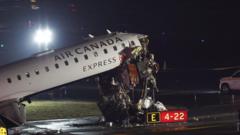
A tragic accident at LaGuardia Airport in New York has left two pilots dead after their aircraft collided with a ground vehicle. The plane had just arrived from Montreal when it struck a firefighting truck on the airfield. The emergency vehicle was reportedly rushing to help with a different, unrelated incident at the time of the crash. This rare and deadly collision has caused major disruptions and raised serious concerns about ground safety at one of the busiest airports in the United States.
Main Impact
The most immediate and painful impact of this crash is the loss of two flight crew members. Beyond the human cost, the accident has forced federal authorities to launch a high-level investigation into how such a mistake could happen at a modern airport. Ground collisions, while rare compared to other types of aviation accidents, are often deadly because of the size and speed of the vehicles involved. This event has temporarily slowed down travel at LaGuardia and put a spotlight on the communication systems used by air traffic controllers and emergency teams.
Key Details
What Happened
The incident took place on the airfield as the plane was finishing its journey from Montreal, Canada. As the aircraft moved along the ground, it crossed paths with a heavy firefighting vehicle. This truck was not there for the Montreal flight; instead, it was responding to a separate emergency call elsewhere on the airport grounds. The two vehicles collided with enough force to cause fatal injuries to the pilots inside the cockpit. Emergency crews already on the scene shifted their focus to the crash site, but they were unable to save the two individuals.
Important Numbers and Facts
The accident resulted in two confirmed deaths, both of whom were pilots. The flight originated from Montreal-Trudeau International Airport. Following the collision, several runways were closed to allow investigators to examine the wreckage and the path of both the plane and the truck. National safety boards were notified immediately, and a team of experts was sent to the site within hours. While the number of passengers on the plane has not been fully detailed, early reports suggest that the primary injuries were contained to the front of the aircraft where the impact was most severe.
Background and Context
Airports are highly controlled environments where every movement is supposed to be tracked. Pilots and drivers of ground vehicles must follow strict rules to ensure they do not end up in the same place at the same time. This type of event is known in the aviation world as a runway incursion or a ground collision. Usually, air traffic control manages these movements using radar and radio talk. When an emergency vehicle needs to move quickly across the field, it requires special permission and clear paths. This accident suggests there may have been a breakdown in these safety steps or a misunderstanding of where the vehicles were located.
Public or Industry Reaction
The aviation industry has reacted with shock, as LaGuardia has seen significant upgrades in recent years to improve safety and efficiency. Pilot unions have expressed their sadness and are calling for a full review of ground movement rules. Travelers at the airport faced long delays and many flights were canceled or sent to other nearby airports like JFK or Newark. Safety experts are now looking at whether the airport's ground radar was working correctly and if the fire truck driver and the pilots were given the right instructions by the control tower.
What This Means Going Forward
In the coming months, the National Transportation Safety Board (NTSB) will look at flight data and radio recordings. They will try to find out if the weather, lighting, or radio problems played a part in the crash. This event will likely lead to new safety rules for how emergency trucks move during high-traffic times. Airports across the country may also be required to install better warning systems that alert pilots and drivers when they are getting too close to each other. The goal is to make sure that a responding emergency vehicle never becomes the cause of a new tragedy.
Final Take
This accident is a stark reminder that danger at an airport does not only exist in the sky. Even after a plane has safely landed, the movement of vehicles on the ground requires perfect coordination. The loss of two pilots in such a manner is a rare occurrence that will change how ground safety is handled for years to come. Ensuring that emergency teams can do their jobs without putting others at risk is now the top priority for investigators and airport managers alike.
Frequently Asked Questions
What is a ground collision at an airport?
A ground collision happens when an airplane hits another plane, a vehicle, or an object while it is moving on the runways or taxiways. These are dangerous because planes are not designed to crash into heavy objects while on the ground.
Who investigates these types of accidents?
In the United States, the National Transportation Safety Board (NTSB) and the Federal Aviation Administration (FAA) work together to find the cause of the accident and suggest ways to prevent it from happening again.
Was the fire truck supposed to be on the runway?
Emergency vehicles are allowed on runways when they are responding to a crisis, but they must have permission from air traffic control. The investigation will determine if the truck had the proper clearance to be in that specific area at that time.