
Summary
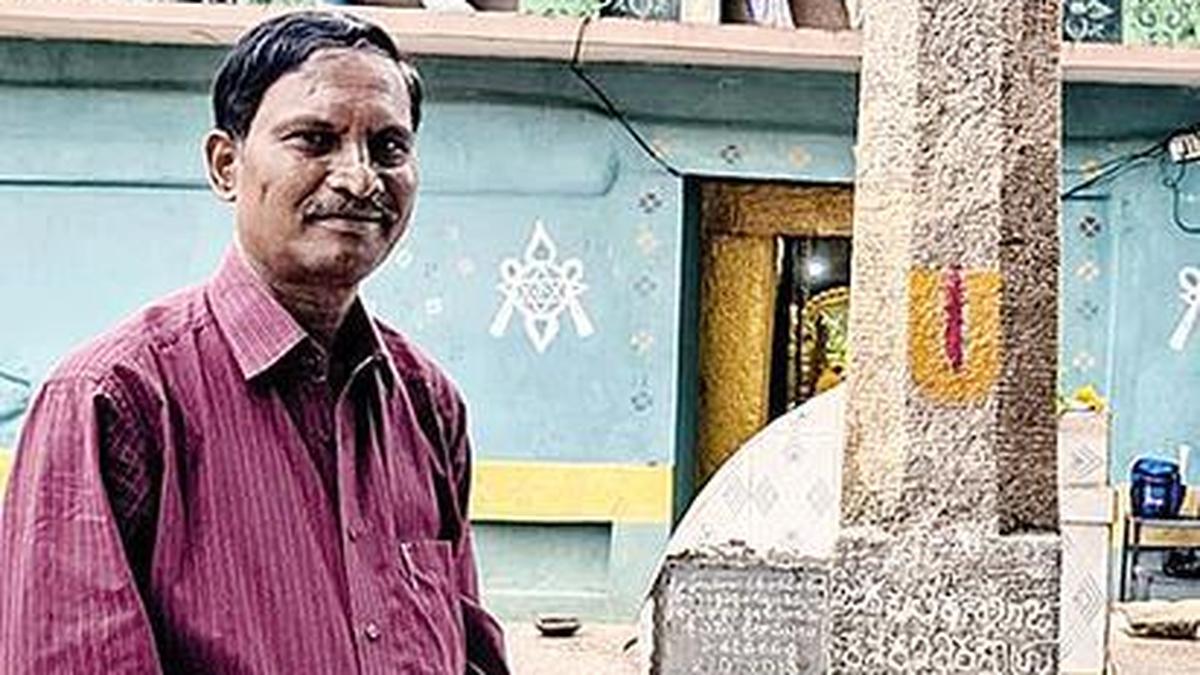
A historical inscription from the 16th century has been discovered at the Sri Chintala Venkataramana Swamy temple in Tadipatri. The writing is in the Telugu language and dates back to the reign of King Achyuta Deva Raya, a ruler of the famous Vijayanagara Empire. Historian MyNaa Swamy identified the find and is now calling for more research to be done on the site. This discovery is important because it helps experts understand the local history and the royal support given to temples during that era.
Main Impact
The discovery of this inscription brings new attention to the historical importance of the Anantapur district. It proves that the Vijayanagara kings were deeply involved in the religious and social life of Tadipatri. By studying these old writings, historians can learn about the laws, gifts, and daily activities of people who lived hundreds of years ago. This find also highlights the need to protect ancient temples and their carvings from being lost or damaged over time.
Key Details
What Happened
Historian MyNaa Swamy found the inscription while studying the walls of the Sri Chintala Venkataramana Swamy temple. The text is written in an older form of the Telugu language. These types of inscriptions were often used by kings to record the donation of land, money, or jewelry to a temple. MyNaa Swamy believes that this specific writing belongs to the time when Achyuta Deva Raya was the king of the Vijayanagara Empire.
Important Numbers and Facts
Achyuta Deva Raya ruled from the year 1529 until 1542. He was the younger brother of the famous King Krishna Deva Raya. The temple where the writing was found is located in Tadipatri, a town known for its amazing stone work. The Vijayanagara Empire was one of the largest and most powerful kingdoms in South India, lasting for over 300 years. This new find adds to the thousands of other inscriptions already found across the region, each telling a small part of the story of India's past.
Background and Context
The Vijayanagara Empire was a time of great growth for art, music, and building. The kings of this empire built massive temples with very detailed stone carvings. Tadipatri was a very important place during this time. It is often called the "Kashi of the South" because it has many holy sites and beautiful buildings. The Sri Chintala Venkataramana Swamy temple is famous for its stone chariot and carvings that show scenes from ancient stories like the Ramayana and Mahabharata.
In the past, kings used stone walls as a way to keep permanent records. Since paper was not common, they carved their orders and achievements into the hard rock of temple walls. This ensured that their legacy would last for a very long time. Today, these carvings are the main way that historians learn about the names of kings, the dates of their rule, and the way they managed their kingdom.
Public or Industry Reaction
Historian MyNaa Swamy has asked other scholars and researchers to visit Tadipatri. He believes that the architectural beauty and history of these temples are not well known enough by the rest of the world. He wants more people to see the skill of the ancient workers who carved these stones. Local residents have also shown interest in the find, as it gives them a sense of pride in their local heritage. Many hope that this discovery will lead to more tourists visiting the area to see the temple for themselves.
What This Means Going Forward
The next step for researchers will be to fully translate the inscription. This will help them understand exactly what the king wanted to record. It could be a record of a festival, a gift to the priests, or a message to the people of the town. There is also a hope that the government will provide more money to keep these temples in good shape. If more research is done, it is likely that even more inscriptions and historical secrets will be found in the area. Protecting these sites is a big job, but it is necessary to keep history alive for the next generation.
Final Take
Finding an old inscription is like finding a piece of a giant puzzle. This discovery at the Sri Chintala Venkataramana Swamy temple helps us see a clearer picture of life during the Vijayanagara period. It reminds us that history is not just in books, but is written on the very walls of the buildings around us. By paying more attention to these ancient sites, we can ensure that the stories of the past are never forgotten.
Frequently Asked Questions
Who was Achyuta Deva Raya?
He was a king of the Vijayanagara Empire who ruled in the 16th century. He was the brother and successor of the famous ruler Krishna Deva Raya.
Where is the Sri Chintala Venkataramana Swamy temple?
The temple is located in the town of Tadipatri, which is in the Anantapur district of Andhra Pradesh, India.
Why are these inscriptions important for history?
Inscriptions serve as official records from the past. they tell us about the names of rulers, the dates of important events, and how the society and government functioned hundreds of years ago.

