Summary
A United States military pilot is currently missing in Iran after their fighter jet was shot down during a mission. While one crew member has been successfully rescued, the search for the second person continues under dangerous conditions. President Donald Trump stated that this event would not stop ongoing talks, but the situation remains very tense. At the same time, Israel has increased its air strikes on Beirut, targeting Hezbollah positions after rocket attacks hit northern Israel.
Main Impact
The disappearance of a U.S. soldier on Iranian soil has created a major diplomatic crisis. This event puts the United States in a difficult position because it must balance a rescue mission with the need to keep communication lines open. If the missing pilot is harmed or taken prisoner, it could force the U.S. to change its approach from talk to direct military action. The incident has already slowed down peace efforts and made the region much more unstable.
The impact is also being felt heavily in Lebanon. The Israeli bombings in the capital city of Beirut show that the conflict is spreading far beyond the borders of Israel and Gaza. With over 1,300 people reported dead in Lebanon so far, the humanitarian cost is rising quickly. This makes it harder for international leaders to find a way to stop the fighting, as more groups and countries are getting involved in the violence.
Key Details
What Happened
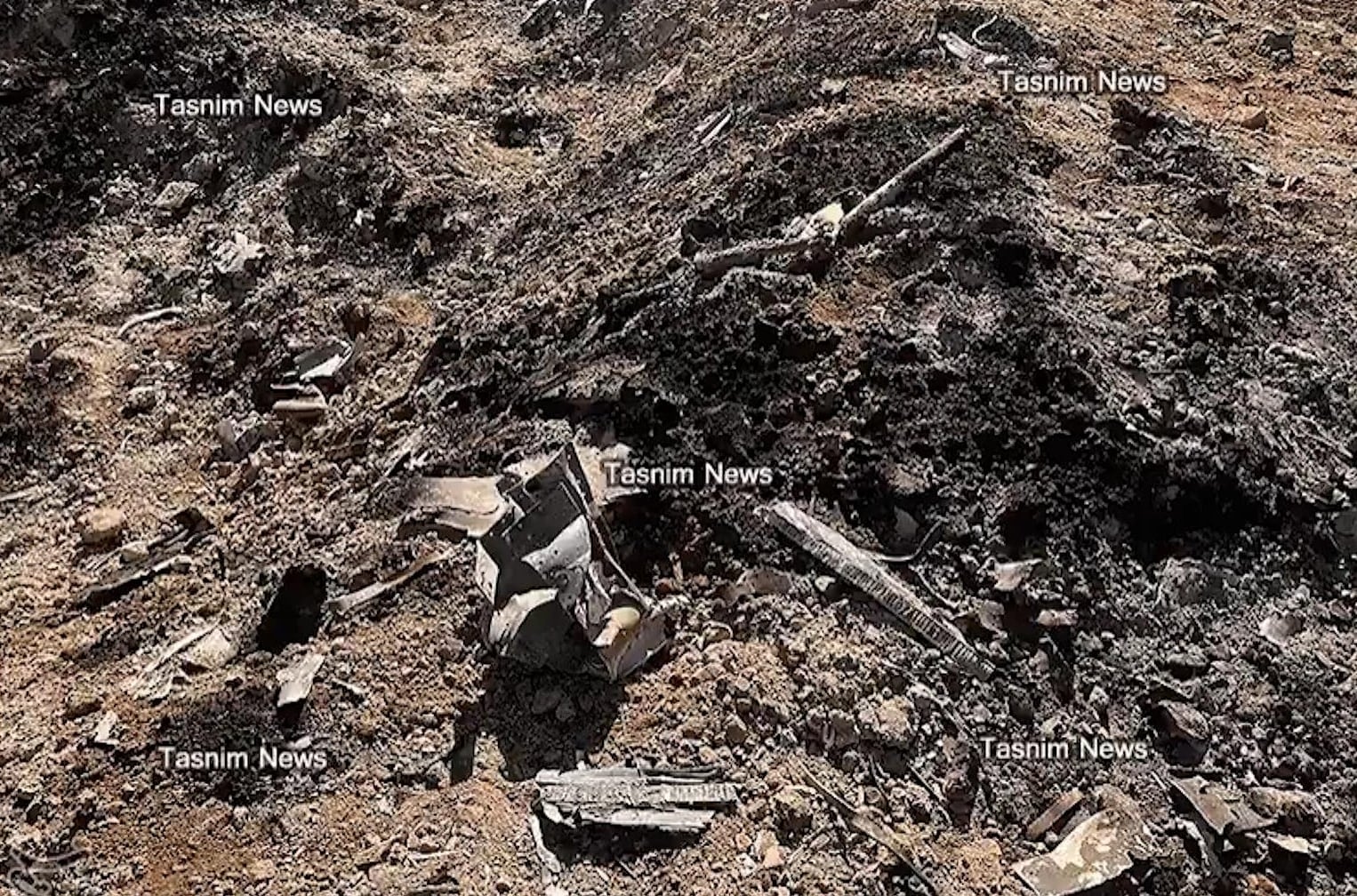
The crisis began when an American fighter jet was hit and crashed inside Iranian territory. Two crew members were on board the aircraft at the time. U.S. forces acted quickly and managed to save one of the pilots, but the second person could not be found immediately. Iran has since offered a reward for the capture or information regarding the missing military personnel, which has added more danger to the search efforts.
In a separate but related event, the Israeli military launched several air strikes on Beirut this Saturday. These attacks were a response to rockets fired from Lebanon into northern Israel. The Israeli government says it is targeting Hezbollah, a group supported by Iran, to stop them from launching more attacks. These strikes have caused significant damage in the Lebanese capital and have led to a high number of deaths and injuries among the population.
Important Numbers and Facts
The military operations in Lebanon have led to a death toll of more than 1,300 people. This number includes both fighters and civilians caught in the crossfire. In terms of diplomacy, a planned meeting in Islamabad between U.S. and Iranian officials has failed to happen. Iran refused to meet with the American representatives, calling the U.S. demands "unacceptable." This leaves the two countries with no clear path to a peaceful agreement at this time.
Background and Context
To understand why this is happening, it is important to know that the United States, Israel, and Iran have been in a long-standing disagreement. Iran supports groups like Hezbollah in Lebanon and Hamas in Gaza, which are both enemies of Israel. The U.S. is a close ally of Israel and provides it with military support. When a U.S. jet is shot down by Iran, it is seen as a direct attack on American interests.
For months, there have been attempts to talk and find a solution to the fighting in the Middle East. However, these talks are very difficult because each side has very different goals. The U.S. wants Iran to stop supporting armed groups, while Iran wants the U.S. and Israel to stop their military actions in the region. The shooting down of the plane has made these already difficult talks even harder to manage.
Public or Industry Reaction
President Donald Trump has spoken to the media about the situation. In an interview with NBC News, he said that the loss of the plane would not end the chance for negotiations. He seems to want to keep the door open for a deal. However, in another talk with The Independent, he admitted that he is not sure what the U.S. will do if the missing soldier is found to be injured. This shows that the American government is still deciding how to react to the escalating violence.
On the other side, the Iranian government has taken a firm stance. By offering a reward for the soldiers and refusing to meet in Islamabad, they are showing that they are not ready to give in to American pressure. International observers are worried that this lack of communication will lead to more mistakes and more fighting in the coming weeks.
What This Means Going Forward
The next few days will be critical for the region. The most urgent task for the U.S. is to find the missing crew member. If the soldier is rescued safely, there may still be a chance for talks to continue. However, if the soldier is held as a hostage or killed, the U.S. public may demand a much stronger military response against Iran. This could lead to a much larger war that involves many countries.
In Lebanon, the situation is likely to get worse before it gets better. As long as rockets are fired into Israel, the Israeli military will likely continue to bomb Beirut and other areas. This cycle of violence makes it very hard for aid groups to help the people who are suffering. The world is watching to see if any other country can step in to help both sides reach a ceasefire before the death toll rises even higher.
Final Take
The conflict has reached a very dangerous point where a single event, like a missing soldier or a specific air strike, can change everything. While leaders say they want to talk, their actions on the ground show that they are still prepared to fight. The safety of the missing pilot and the lives of thousands of people in Lebanon and Israel depend on whether diplomacy can survive this latest series of shocks.
Frequently Asked Questions
What happened to the U.S. fighter jet?
The jet was shot down over Iranian territory. One crew member was rescued by U.S. forces, but a second soldier is still missing. The U.S. is currently searching for them.
Why is Israel bombing Beirut?
Israel is targeting Hezbollah positions in the Lebanese capital. These strikes are a response to rockets fired from Lebanon into northern Israel earlier in the week.
Are the U.S. and Iran still talking?
Negotiations have hit a wall. Iran refused to meet with U.S. officials in Islamabad, claiming that the American demands were not fair or acceptable.