
Summary
The Communist Party of India (Marxist), known as the CPI (M), has officially signed a seat-sharing agreement with the DMK for the upcoming Tamil Nadu Assembly elections. Under this new deal, the CPI (M) will contest five seats as part of the DMK-led alliance. This decision comes after several rounds of talks where the party initially hoped for a higher number of seats to represent its growing influence in the state.
Main Impact
The agreement between the DMK and the CPI (M) is a major step in keeping the Secular Progressive Alliance together. By finalizing this deal, the DMK has shown its ability to manage a large group of partner parties. For the CPI (M), accepting five seats ensures they remain part of a strong coalition, even though they will be contesting fewer seats than they did in the previous election. This unity is expected to help the alliance present a single front against their political opponents.
Key Details
What Happened
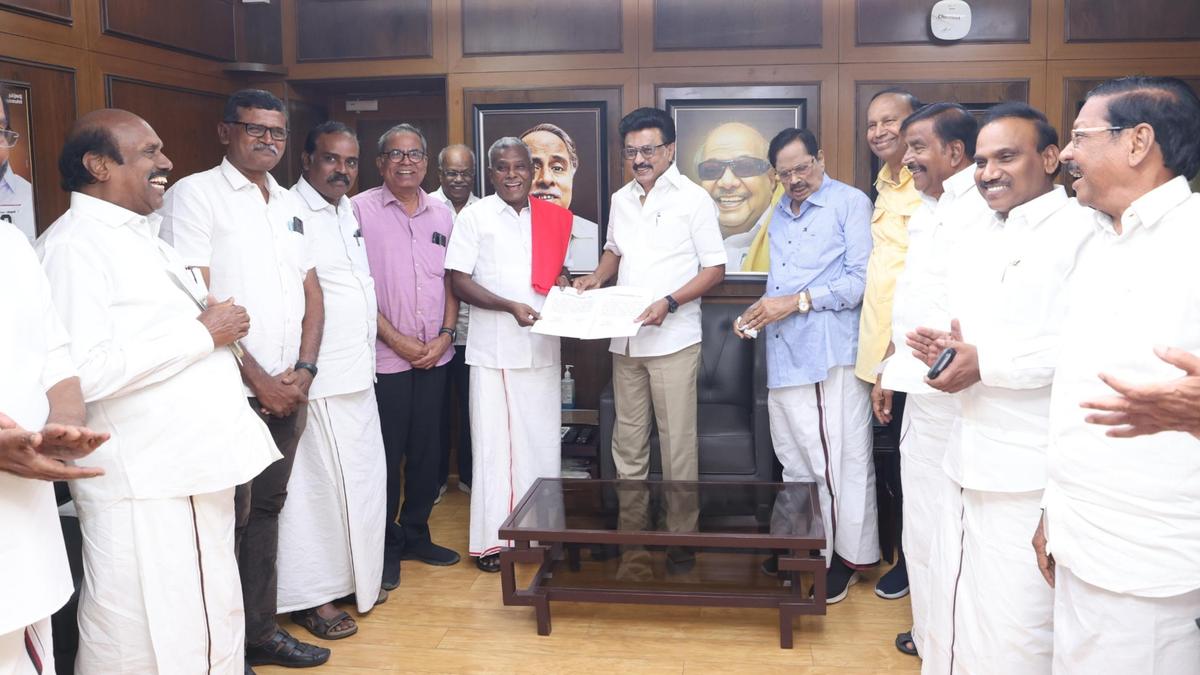
Leaders from the CPI (M) met with the DMK’s election committee at the DMK headquarters to finalize the numbers. The talks were part of a larger effort by the DMK to distribute seats among all its partners. While the CPI (M) leaders expressed a desire for more seats, they eventually agreed to the DMK's offer. Both parties signed a formal pact to make the arrangement official, signaling that they are ready to move forward with their joint campaign.
Important Numbers and Facts
In the last Assembly elections held in 2021, the CPI (M) was given six seats within the same alliance. This year, the party leadership initially asked for a double-digit number of seats, meaning ten or more. However, the final count was set at five. The main reason for this decrease is the arrival of new parties into the DMK alliance. With more partners to satisfy, the DMK had to reduce the number of seats given to each individual group to ensure everyone had a place in the contest.
Background and Context
Tamil Nadu politics is famous for its large and complex alliances. Usually, one of the two main state parties, the DMK or the AIADMK, leads a group of smaller parties. The CPI (M) has been a long-time partner of the DMK. These alliances are important because they help combine the votes of different communities and interest groups. The CPI (M) has a strong presence among factory workers, farmers, and in certain rural areas, making them a valuable partner for the DMK. However, as more political groups join the alliance, the "pie" of 234 total assembly seats must be divided into smaller and smaller pieces.
Public or Industry Reaction
The reaction within the CPI (M) has been a mix of pragmatism and slight disappointment. Some local party workers felt that the party should have held out for more seats, believing their hard work over the last few years deserved more representation. However, the senior leadership explained that the primary goal is to keep the alliance strong and prevent the opposition from winning. Political experts note that by accepting five seats, the CPI (M) is prioritizing the stability of the coalition over its own individual seat count. This move is seen as a sign of political maturity and a commitment to the alliance's shared goals.
What This Means Going Forward
Now that the number of seats is settled, the focus will turn to which specific areas the CPI (M) will contest. The party will look for constituencies where they have the most members and the best chance of winning. The DMK and CPI (M) will need to work closely together to ensure that their supporters vote for each other's candidates. The next few weeks will involve intense planning for joint rallies and campaign events. The success of this deal will be measured by how many of these five seats the CPI (M) can actually win on election day.
Final Take
The deal between the DMK and the CPI (M) highlights the difficult balancing act of coalition politics. While the CPI (M) had to settle for fewer seats than they wanted, the agreement keeps the alliance intact. This cooperation is vital for their chances in the upcoming election. It shows that in the current political climate, staying together is often seen as more important than the number of candidates a single party can field.
Frequently Asked Questions
How many seats will the CPI (M) contest in the Tamil Nadu election?
The CPI (M) has agreed to contest five seats as part of the DMK-led alliance.
Why did the CPI (M) get fewer seats than in the last election?
The DMK has more partner parties in its alliance this time, which meant they had to distribute the available seats among a larger number of groups.
What was the CPI (M)'s initial demand for seats?
The party initially asked for a double-digit number of seats, meaning they wanted at least ten seats to contest.



