
Summary
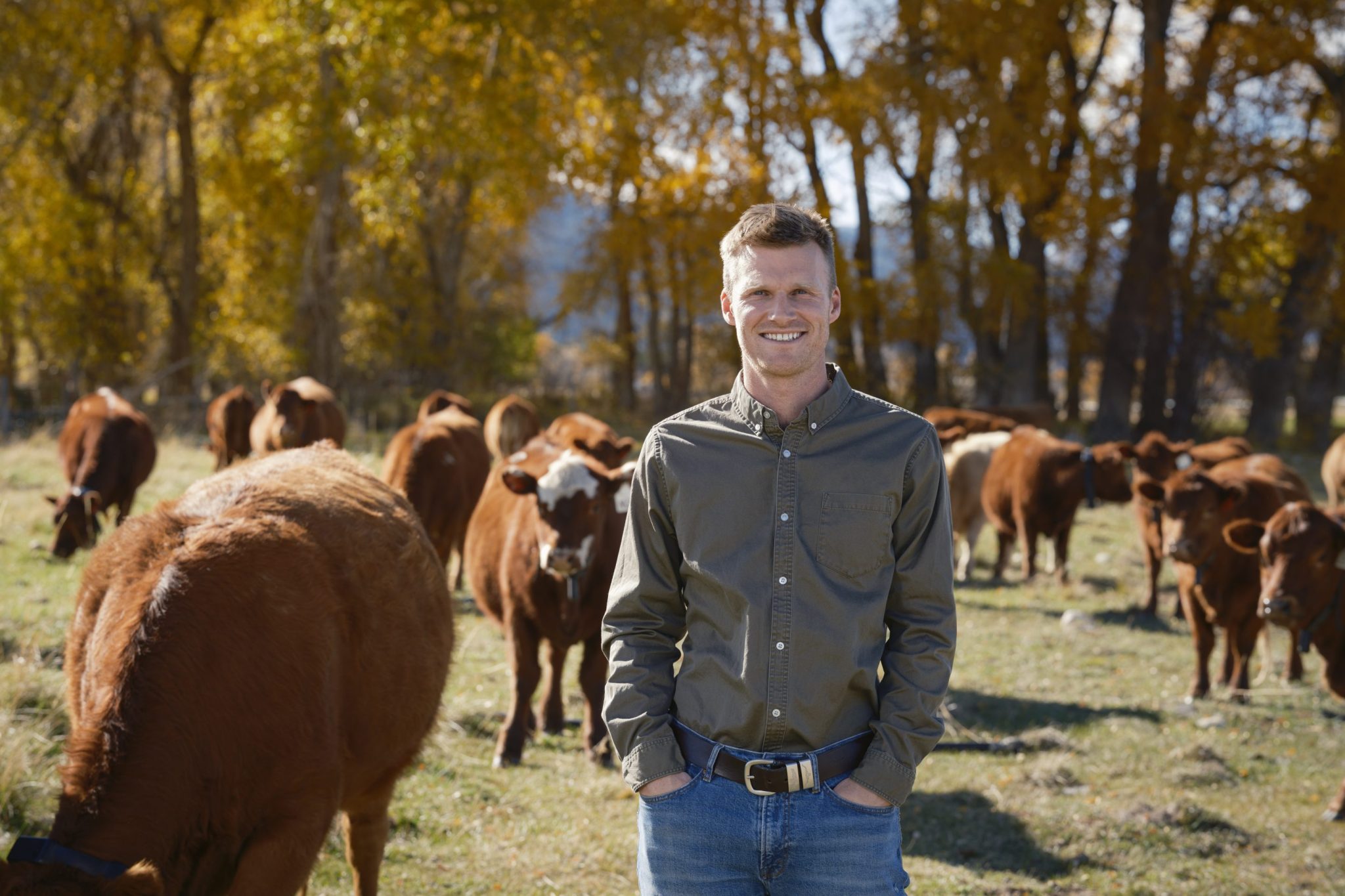
Craig Piggott, a former dairy farmer from New Zealand, is changing the way cattle ranching works using artificial intelligence. His company, Halter, uses smart collars to track animal health and move herds without physical fences. The startup recently raised $220 million in new funding, valuing the business at $2 billion. This technology helps ranchers save hours of manual labor and manage their land more efficiently during a time of rising costs and climate challenges.
Main Impact
The introduction of AI into cattle ranching is solving one of the oldest problems in agriculture: the need for constant manual labor. By using "smart collars," ranchers can now control their livestock from a smartphone app. This shift allows farmers to move animals to better grazing areas automatically, which improves the health of the land and the cattle. It also gives ranchers back several hours of their day, making a career in farming more sustainable for the next generation.
Key Details
What Happened
Craig Piggott grew up working long hours on his family’s dairy farm in New Zealand. He realized that while other industries were using new technology, farming was being left behind. In 2017, he started Halter to fix this. The company developed a system called the "cowgorithm." This AI tracks how cows eat, move, and recover after giving birth. The system uses solar-powered collars that stay on the cows at all times. Instead of a farmer building fences or riding an ATV to move the herd, the collars use sound and small vibrations to guide the cows to specific areas.
Important Numbers and Facts
The growth of this technology has caught the attention of major investors. Halter recently closed a $220 million funding round led by Peter Thiel’s Founders Fund. The company is now worth an estimated $2 billion. On the ground, the technology costs ranchers about $9.90 per cow each month. While this adds up for large herds, the efficiency gains are significant. Research shows that the global agricultural technology market is expected to grow to $34 billion by the year 2034. In 2025 alone, tech firms in this sector raised $7 billion to help modernize farms around the world.
Background and Context
Farming and ranching have become much harder in recent years. Changes in the weather, such as long droughts and sudden floods, make it difficult to grow enough grass for cattle. At the same time, global conflicts have caused the price of fuel and fertilizer to go up. Many family farms are also struggling because the work is physically demanding and requires being on duty 24 hours a day. Because of these pressures, more than half of the world's farmers are now looking for high-tech solutions to help them stay in business and keep their operations profitable.
Public or Industry Reaction
Ranchers who have used the system describe it as a major turning point for the industry. Daniel Mushrush, a rancher in Kansas who manages 16,000 acres, says the technology is the most important invention for cattle since the creation of barbed wire. He uses the app to move his cows at 4:00 a.m. while he is still at home. Before using the collars, he had to spend hours every morning manually moving ropes and checking fences in rough, rocky terrain.
Mushrush noted that the system saves him about six hours of work every day. This extra time allows him to focus on the business side of the ranch and spend more time with his four children. However, some in the industry point out that the cost can be a barrier. For a ranch with over 1,000 cows, the monthly fees are high. There are also challenges with making the technology work for different types of cattle and different types of land across the globe.
What This Means Going Forward
Halter is not stopping with smart collars. The company is looking into using AI-powered drones to help with other farm chores. These drones could fly over large properties to find water leaks or count hay bales, saving even more time for the owners. Piggott believes that by making farming less about back-breaking labor and more about data and technology, more young people will want to stay in the family business. The goal is to create a future where ranching is both more productive and offers a better quality of life for the people doing the work.
Final Take
The success of Halter shows that even the most traditional industries can benefit from modern software and AI. By focusing on the daily struggles of ranchers, this technology is doing more than just tracking animals; it is helping to preserve a way of life that was becoming too difficult to maintain. As these tools become more common, the image of the lone rancher working from dawn to dusk may change into one of a tech-savvy manager using data to run a more efficient and sustainable business.
Frequently Asked Questions
How do the smart collars move the cows?
The collars use sound cues and gentle vibrations to teach the cows where to go. This creates a "virtual fence" that guides the animals without the need for physical barriers or human herding.
What kind of data does the AI track?
The system monitors biological data such as how much a cow eats, how much it moves, and its health status. It can even tell a rancher when a cow is about to give birth or if it is sick.
Is this technology expensive for farmers?
The service currently starts at $9.90 per cow per month. While this is a new expense, many ranchers find that the money saved on labor and the increase in cattle health makes the investment worth it.



