
Summary
The Hollywood actors' union, SAG-AFTRA, is introducing a new plan to protect human jobs from artificial intelligence. The union wants to create a "Tilly tax" that would charge movie studios a fee whenever they use AI-generated characters instead of real people. This move is part of a larger effort to ensure that technology does not make human actors obsolete. By making AI characters more expensive to use, the union hopes to keep the film industry focused on human talent.
Main Impact
The primary goal of this new proposal is to change the financial math for movie studios. Currently, AI technology is developing so quickly that it could soon become cheaper to create a digital person than to hire, feed, and pay a real actor. If the "Tilly tax" is successful, it would remove this cost advantage. This means studios would have less reason to replace background actors or supporting stars with computer-generated images. It sets a major example for how other industries might handle the rise of automation and AI in the workplace.
Key Details
What Happened
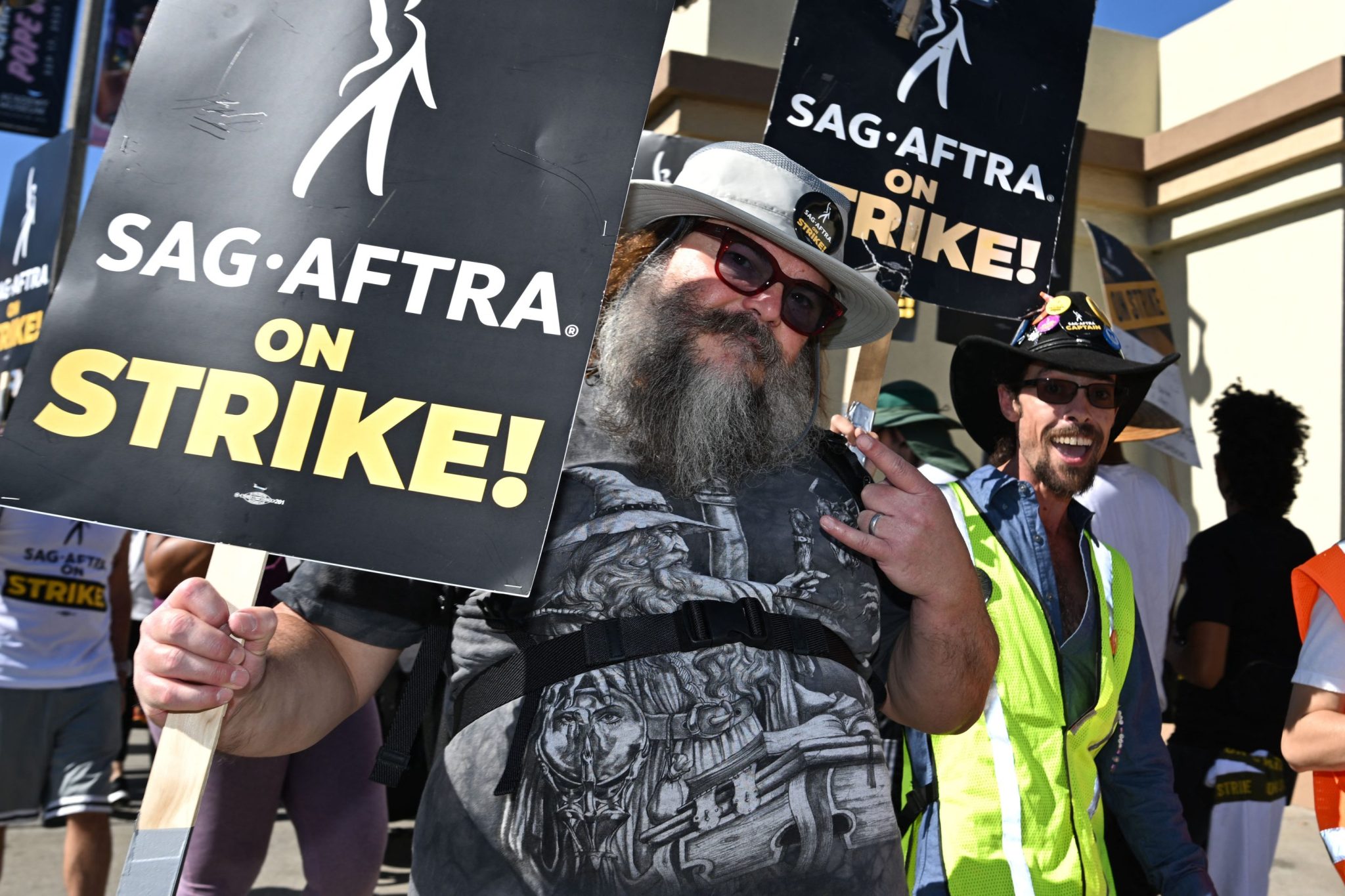
Duncan Crabtree-Ireland, the Executive Director of SAG-AFTRA, spoke about these plans during a recent workers' summit in Washington. He explained that while the government is slow to pass laws about AI, labor unions can act much faster through contract talks. The union is currently in the middle of negotiating a new contract with major Hollywood studios. The current agreement is set to end in June, making these talks very urgent for everyone involved in the film business.
Important Numbers and Facts
The union is focusing on two types of AI characters. The first type is a "digital replica," which is a computer version of a real person. The second type is a "synthetic" character, which is a fake person created entirely by software. The "Tilly tax" is named after Tilly Norwood, a digital actress who caused a lot of debate in the industry. The union also pointed back to the 2023 strike, which lasted nearly four months. That strike resulted in new rules that require studios to get permission and pay actors if they want to use their digital likeness.
Background and Context
AI has become a hot topic in Hollywood over the last few years. Technology can now age an actor down, bring back performers who have passed away, or create entirely new faces that look human. While this is exciting for special effects, it is scary for people who make a living on screen. The union believes that without strict rules, studios will choose the cheapest option, which is often a machine. The "Tilly tax" is a way to put a price on using machines so that humans stay competitive in the job market. This is not just about money; it is about making sure the art of acting stays in the hands of real people.
Public or Industry Reaction
The union is also looking for help from the government. They are asking Congress to support a bill called the NO FAKES Act. This law would give every person the right to own their own voice and face. It would stop companies from making "deepfakes" or fake videos of people without their permission. Within the industry, many actors have voiced their support for these protections. They feel that their unique skills and appearances should not be used by a computer program without their control. Studios have not yet fully agreed to the "Tilly tax," but they are under pressure to find a middle ground before the June deadline.
What This Means Going Forward
The next few months will be critical for Hollywood. If the union and the studios cannot agree on the "Tilly tax" and other AI rules, there is a risk of another strike. This would stop movie and television production once again. However, if they do reach a deal, it could create a blueprint for other jobs. Writers, musicians, and even office workers are watching these talks closely. They want to see if a union can successfully force a multi-billion dollar industry to prioritize people over software. The outcome will likely decide how movies are made for the next decade.
Final Take
The fight over the "Tilly tax" shows that the battle between humans and AI is no longer a science fiction story. It is a real economic issue happening right now. By demanding that AI cost as much as a human, the actors' union is trying to prove that human creativity has a value that machines should not be allowed to undercut.
Frequently Asked Questions
What is the Tilly tax?
It is a proposed fee that movie studios would have to pay if they use AI-generated characters. The goal is to make using AI as expensive as hiring a real human actor.
Who is Tilly Norwood?
Tilly Norwood is a well-known AI-generated actress. The union named the new tax after her because she represents the trend of using digital characters instead of real people.
What is the NO FAKES Act?
This is a proposed law in Congress that would protect a person's voice and likeness. It aims to prevent people from being replaced or copied by AI deepfakes without their consent.



