
Summary
The Zoji La tunnel project is reaching a major milestone as construction teams prepare for a final breakthrough. This massive engineering project aims to connect the Kashmir Valley with the Ladakh region through an all-weather road. Once finished, it will end the long periods of isolation that Ladakh faces every winter due to heavy snowfall. This development is a significant step for both local travel and national security in the high-altitude border areas.
Main Impact
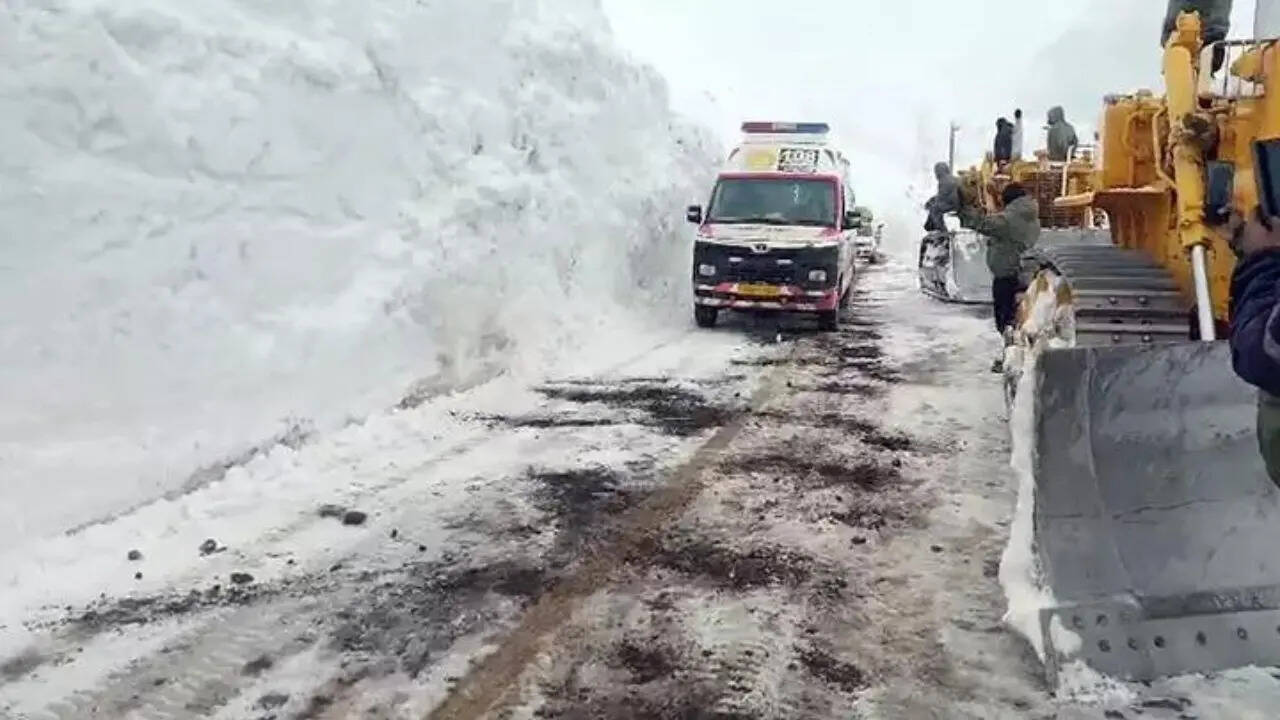
The primary impact of the Zoji La tunnel is the creation of a permanent link between Srinagar and Leh. Currently, the Zoji La pass sits at an extremely high altitude where weather conditions are often unpredictable and dangerous. For nearly half the year, thick snow makes the road impossible to use, cutting off Ladakh from the rest of the country. The new tunnel will change this by allowing vehicles to pass through the mountain safely, regardless of the season. This ensures that food, medicine, and fuel can reach the people of Ladakh without any breaks in the supply chain.
Key Details
What Happened
Engineers and construction workers are now very close to completing the excavation phase of the tunnel. A "breakthrough" in tunnel construction means that the two teams digging from opposite sides are about to meet in the middle. This is often the most difficult part of the project because it requires perfect precision and careful planning. Workers have been using advanced drilling and blasting methods to cut through the hard rock of the Himalayan mountains. Despite the freezing temperatures and low oxygen levels at such a high altitude, the work has continued steadily to meet the project goals.
Important Numbers and Facts
The Zoji La tunnel is roughly 14.15 kilometers long, making it one of the longest tunnels in Asia at this height. It is located at an altitude of about 11,575 feet above sea level. One of the most impressive facts about the project is how much time it will save. Currently, driving across the Zoji La pass can take more than three hours, often involving long traffic jams on narrow, winding roads. The tunnel will reduce this travel time to just 15 or 20 minutes. The project also includes several smaller tunnels and bridges to make the entire approach road safer for drivers.
Background and Context
The Zoji La pass is known as one of the most dangerous roads in the world. It is narrow, steep, and prone to landslides and avalanches. For decades, the Indian government and local residents have talked about the need for a tunnel to bypass this difficult stretch. The project is not just about convenience; it is about survival for the people living in Leh and Kargil. During the winter months, the only way to reach these areas is by expensive air travel, which is not an option for moving large amounts of goods. Additionally, the region is strategically important because it sits near international borders. Having a reliable road is vital for the military to move equipment and personnel whenever needed.
Public or Industry Reaction
The news of the upcoming breakthrough has been met with excitement from several groups. Local traders and business owners in Ladakh believe the tunnel will help the economy grow by allowing tourism to continue during the winter months. Transport companies are also looking forward to the tunnel because it will reduce the wear and tear on their vehicles and lower fuel costs. Engineering experts have praised the project as a modern marvel, noting that building a tunnel of this size in such a harsh environment is a massive technical achievement. Military leaders have also highlighted that the tunnel will significantly improve the country's defense readiness in the northern sector.
What This Means Going Forward
After the breakthrough is completed, the project will move into the final stages of construction. This includes reinforcing the tunnel walls with concrete, installing high-tech ventilation systems, and setting up emergency lighting. The tunnel will also be equipped with "smart" features, such as CCTV cameras and emergency communication points every few hundred meters. While the breakthrough is a huge win, there is still work to be done before the first civilian cars can drive through. The government is pushing to finish the remaining work as quickly as possible to open the route for public use. This project serves as a model for future infrastructure work in other mountainous parts of the country.
Final Take
The Zoji La tunnel is more than just a piece of infrastructure; it is a lifeline for a region that has long been at the mercy of the weather. By conquering the difficult terrain of the Himalayas, this project brings Ladakh closer to the rest of India. It represents a major victory for modern engineering and promises a future where travel to the high mountains is safe, fast, and possible all year round.
Frequently Asked Questions
How long is the Zoji La tunnel?
The tunnel is approximately 14.15 kilometers long, which will make it the longest bi-directional tunnel at a high altitude in Asia.
Why is this tunnel so important for Ladakh?
It provides all-weather connectivity. Currently, the Zoji La pass closes for several months in winter due to snow, but the tunnel will stay open all year.
How much time will the tunnel save for travelers?
Travel time will be reduced from over three hours to about 15 to 20 minutes, making the journey much faster and safer.



