
Summary
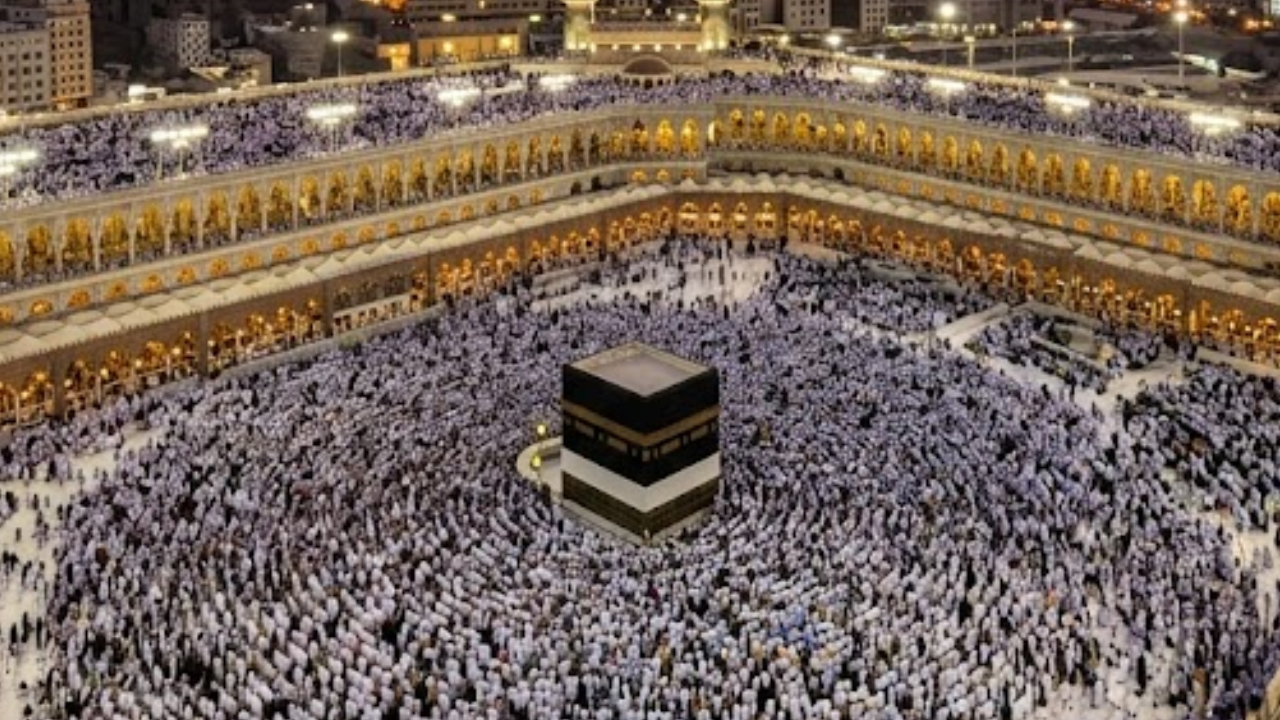
Saudi Arabia has announced a strict set of rules and punishments for the upcoming Hajj 1447 (2026) season. The Ministry of Interior is taking strong action against anyone who tries to perform the pilgrimage without an official permit. These penalties include heavy fines, jail time, and long-term bans from entering the country. The goal of these measures is to keep the holy sites safe and organized for all visitors.
Main Impact
The new rules will have a major impact on how people plan their travel to Makkah and Madinah. By setting a fine of up to SAR 100,000 for certain violations, the government is sending a clear message that illegal entry will not be tolerated. This move helps the authorities manage the millions of people who arrive for the pilgrimage. It ensures that resources like water, medical care, and transportation are not overwhelmed by uncounted crowds.
Key Details
What Happened
The Saudi Ministry of Interior officially released the penalty guidelines for the Hajj 1447 season. They confirmed that the "No Permit, No Hajj" policy will be strictly enforced at all entry points to Makkah. Security forces will be stationed at checkpoints to verify the permits of every person entering the holy areas. This applies to both local residents and visitors from other countries.
The government is also targeting people who help others break the law. This includes drivers, travel agents, and anyone providing shelter to those without permits. The authorities plan to use modern technology and digital tracking to find and stop violators before they reach the main ritual sites.
Important Numbers and Facts
The penalties are divided into different categories based on the type of violation. Here are the key figures released by the ministry:
- Individual Fine: Any person caught performing Hajj without a permit will be fined SAR 10,000.
- Expats: Foreigners caught without a permit will be deported to their home countries and banned from entering Saudi Arabia for 10 years.
- Transporters: People caught driving illegal pilgrims face a fine of up to SAR 50,000 for each person they carry.
- Jail Time: Transporters can also be sent to prison for up to six months.
- Repeat Offenders: If a person or company breaks the rules more than once, the fines will be doubled, reaching up to SAR 100,000.
- Vehicle Seizure: Any vehicle used to transport illegal pilgrims will be taken away by the government.
Background and Context
Hajj is one of the largest religious gatherings in the world. Every year, millions of Muslims travel to Saudi Arabia to perform these sacred rites. Because so many people arrive at the same time, the risk of accidents or health emergencies is very high. In the past, overcrowding has led to dangerous situations. To prevent this, the Saudi government uses a quota system to limit the number of pilgrims from each country.
The permit system is the only way the government can track how many people are in the holy sites. When people enter without a permit, they do not have access to official tents, food, or medical services. This often leads to people sleeping on the streets, which blocks emergency paths and creates health risks. By enforcing these tough penalties, the government hopes to protect the lives of everyone involved.
Public or Industry Reaction
Many travel agencies and official Hajj groups have welcomed these strict rules. They believe that stopping illegal pilgrims protects the people who have paid for legal packages. Legal pilgrims often face difficulties when the sites are overcrowded by those without permits. Travel experts say that these clear warnings will help people understand the risks of using "fake" or "cheap" Hajj services that do not provide real permits.
On social media, many people are sharing the news to warn their friends and family. There is a general understanding that the 10-year ban is a very serious punishment, especially for workers who rely on their jobs in Saudi Arabia. The government has also started a large media campaign to educate the public about the official ways to apply for a permit through the Nusuk platform.
What This Means Going Forward
Moving forward, travelers should be very careful when booking their Hajj trips. It is essential to use only official government channels or licensed travel agents. The Saudi authorities have made it clear that there will be no exceptions to these rules. Security checks will likely start weeks before the actual Hajj dates to ensure that only authorized people are in the area.
For expatriates living in Saudi Arabia, the risk of a 10-year ban means that trying to perform Hajj illegally could end their careers and separate them from their families. The government is expected to continue using these tough measures in future years to maintain order and safety during the pilgrimage season.
Final Take
The safety of millions of people is the top priority for the Saudi government. While the fines and bans may seem harsh, they are designed to prevent chaos and save lives. Anyone planning to perform Hajj in 1447 must follow the legal steps to get a permit. Doing things the right way ensures a peaceful and safe experience for everyone participating in this important religious event.
Frequently Asked Questions
What is the fine for performing Hajj without a permit?
The initial fine for an individual caught without a permit is SAR 10,000. This fine can double if the person is caught breaking the rule again.
What happens to foreigners who break the Hajj rules?
Foreigners caught without a permit will be deported from Saudi Arabia. They will also face a 10-year ban, meaning they cannot re-enter the country for a decade.
Can I be jailed for helping someone perform Hajj illegally?
Yes. People who transport or help illegal pilgrims can be sent to jail for up to six months and face fines of up to SAR 50,000 per illegal pilgrim.

