
Summary
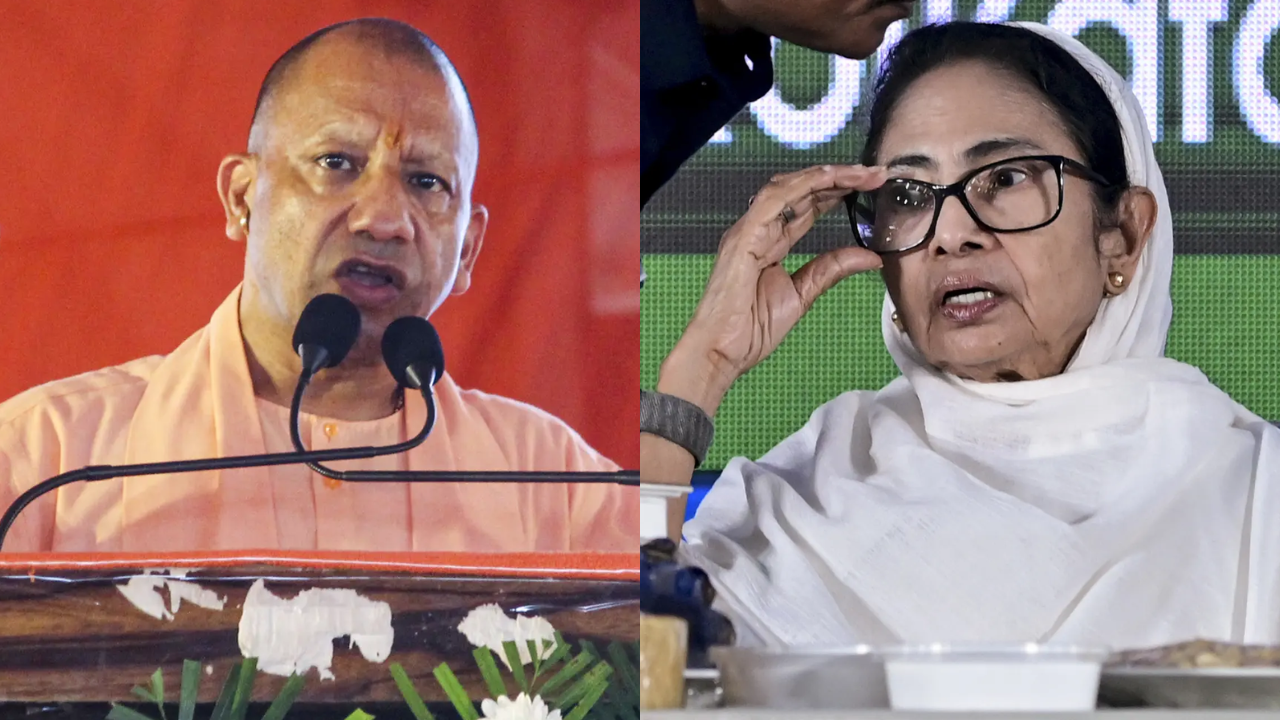
Yogi Adityanath, the Chief Minister of Uttar Pradesh, recently launched a strong verbal attack on the West Bengal government. During a political event, he claimed that the state has become a center for illegal activities, corruption, and terror under the leadership of Mamata Banerjee and the Trinamool Congress (TMC). Adityanath compared the current state of West Bengal to the past struggles of Uttar Pradesh, suggesting that only a change in leadership can fix these deep-rooted problems. He urged the people of Bengal to support the BJP to bring safety and order back to the region.
Main Impact
The primary impact of these statements is the heightening of political tension between the Bharatiya Janata Party (BJP) and the Trinamool Congress. By using strong words like "mafia rule" and "terror," Adityanath is framing the upcoming political contests as a battle for the soul and safety of the state. This approach aims to move the focus of voters toward issues of security and law enforcement. It also highlights a growing trend where leaders from different states travel across the country to challenge local governments, making state elections feel like national debates.
Key Details
What Happened
During his speech, Yogi Adityanath focused heavily on the breakdown of law and order in West Bengal. He argued that the state, which was once known for its rich culture and intellectual history, is now struggling with an "identity crisis." He claimed that the TMC government has allowed criminal groups to gain too much power, which has led to widespread fear among the public. Adityanath stated that the same problems used to exist in Uttar Pradesh before his party took control and implemented stricter laws.
Important Numbers and Facts
While the speech focused on political rhetoric, it touched on several key points that have been part of the ongoing debate in Bengal. Adityanath mentioned that corruption has reached every level of the state administration. He pointed out that central government schemes often do not reach the intended people in Bengal because of local interference. He also highlighted the history of political violence in the state, which has seen numerous clashes between different party workers over the last few years. The Chief Minister suggested that the "UP model" of governance, which focuses on heavy policing and quick legal action against criminals, is what West Bengal needs right now.
Background and Context
To understand why these comments matter, one must look at the history of West Bengal and Uttar Pradesh. For many years, Uttar Pradesh was seen as a state with high crime rates and slow growth. When Yogi Adityanath became Chief Minister, he made "cleaning up" the state his main priority. He often talks about his success in removing the "mafia" from UP to show that his party is strong on crime. On the other hand, West Bengal has been ruled by Mamata Banerjee since 2011. While she has a strong following, her government has faced many accusations of corruption in hiring processes and the distribution of social benefits. The BJP has been trying to win control of Bengal for a long time, and they use these issues to convince voters that the current government has failed.
Public or Industry Reaction
The reaction to Adityanath’s speech was split along party lines. Supporters of the BJP praised his directness and agreed that the state needs a "double engine" government, meaning the same party in power at both the state and national levels. They believe his words reflect the reality of living in Bengal today. However, leaders from the TMC quickly hit back. They accused Adityanath of spreading lies and trying to distract people from the problems in his own state. TMC spokespeople often argue that Bengal is much safer for women and minorities than Uttar Pradesh. They view his visit as an outside interference by a leader who does not understand the local culture of Bengal.
What This Means Going Forward
Looking ahead, we can expect more of these high-profile visits and sharp criticisms. As elections draw closer, the BJP will likely continue to use the "law and order" argument as their main weapon against Mamata Banerjee. This could lead to a more polarized environment where voters have to choose between two very different styles of leadership. There is also a risk that such heated language could lead to more friction on the ground between party supporters. The focus will remain on whether the people of West Bengal value the social programs of the TMC more than the security promises made by the BJP.
Final Take
The political battle in West Bengal is no longer just about local issues; it has become a clash of two different ways of governing. Yogi Adityanath’s comments show that the BJP is willing to use its most popular leaders to challenge the TMC on its own ground. Whether this strategy will work depends on whether the voters believe that the state has truly become a "hub of terror" or if they see these claims as simple campaign talk. The coming months will show if the promise of a "mafia-free" state is enough to change the political map of Bengal.
Frequently Asked Questions
Why did Yogi Adityanath compare Bengal to Uttar Pradesh?
He compared the two states to show that Uttar Pradesh was once troubled by crime but improved under his leadership. He believes West Bengal is currently facing similar problems and needs a similar solution.
What are the main accusations against the TMC government?
The main accusations include allowing corruption in government offices, failing to stop political violence, and letting criminal "mafias" influence local politics and business.
How did the TMC respond to these claims?
The TMC dismissed the claims as political propaganda. They argued that West Bengal is a safe state and that the BJP is trying to create fear to win votes.



