Summary
Priyanka Gandhi Vadra has challenged the central government to implement the women’s reservation law immediately. She called for a special Parliament session to be held this coming Monday to pass the necessary changes. The move comes after the government officially notified the 2023 law, which promises 33% of seats for women in legislatures. However, the law includes a rule that delays its start until after a new census and a process called delimitation are finished.
Main Impact
The primary impact of this development is a renewed political fight over when women will actually see more seats in Parliament. While the law is now officially on the books, it may not be used for several years. By demanding an immediate session, the opposition is trying to force the government to remove the technical hurdles that are holding the law back. This pressure aims to show whether the government is truly committed to giving women political power right now or if the law was just a symbolic gesture.
Key Details
What Happened
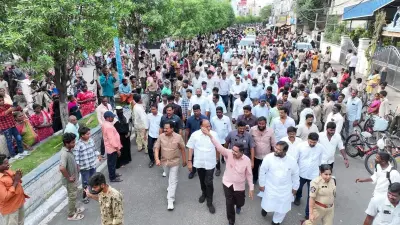
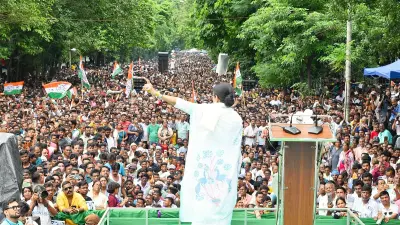
The central government recently notified the 2023 law that sets aside one-third of seats for women in the Lok Sabha and state assemblies. Shortly after this notification, Priyanka Gandhi Vadra took to social media and public platforms to lead an opposition charge. She argued that the government is using technical excuses to delay the law. She challenged the ruling party to bring the bill to Parliament on Monday and remove the clauses that link the reservation to the next census and the redrawing of voting districts.
Important Numbers and Facts
The law in question is the Constitution (128th Amendment) Bill, which was passed in 2023. It mandates that 33% of seats in the lower house of Parliament and all state legislative assemblies be reserved for women. Currently, the percentage of women in these bodies is much lower, often staying below 15%. The delay caused by the census and delimitation could mean the reservation does not take effect until the 2029 elections or even later. Priyanka Gandhi’s demand is to skip these steps and apply the quota based on current data.
Background and Context
The idea of reserving seats for women in India has been discussed for nearly thirty years. Different governments have tried to pass similar bills since the 1990s, but they often faced strong opposition from various political groups. In 2023, the current government finally passed the bill with nearly unanimous support. However, a specific condition was added: the reservation would only start after the next census is conducted and the boundaries of voting areas are redrawn. Since the national census has been delayed for several years, nobody knows exactly when the women's quota will actually begin. This has led to accusations that the government is delaying the benefits of the law on purpose.
Public or Industry Reaction
The reaction from opposition parties has been supportive of the call for immediate action. Many leaders argue that if the government could pass the law so quickly in a special session last year, they can also fix the delay clauses just as fast. On the other side, government supporters often say that the census and delimitation are legally required to make sure the seats are distributed fairly across the country. They argue that rushing the process without updated population data could lead to legal problems or unfair representation for certain regions. Women's rights groups have mixed feelings; they are happy the law exists but are frustrated that they might have to wait many more years to see more women in power.
What This Means Going Forward
In the coming weeks, the focus will be on whether the government responds to the challenge of holding a session on Monday. If the government ignores the demand, the opposition will likely use this as a major talking point in future election campaigns. They will tell voters that the government is "anti-women" by keeping the law on hold. If the government does move to speed up the process, it would require a massive change in how elections are planned. The next big step to watch is the announcement of the national census, as that will be the first real sign of when the reservation might actually start.
Final Take
The debate has shifted from whether women should have reserved seats to exactly when they will get them. By calling for an immediate Parliament session, the opposition has put the ball in the government's court. The outcome will determine if the 33% quota becomes a reality in the next election or remains a promise for the distant future.
Frequently Asked Questions
What is the "old bill" mentioned by Priyanka Gandhi?
She is referring to the 2023 women's reservation law. Her demand is to implement the core 33% quota immediately without waiting for the census or the redrawing of voting boundaries.
What is delimitation and why is it causing a delay?
Delimitation is the process of redrawing the boundaries of voting districts based on the latest population count. The current law says the women's quota can only happen after this process is finished, which takes a lot of time.
When will the women's reservation law actually start?
Under the current rules, it will likely not start until after the next census is completed and the voting districts are redrawn. This means it might not be ready until the 2029 general elections.