Summary
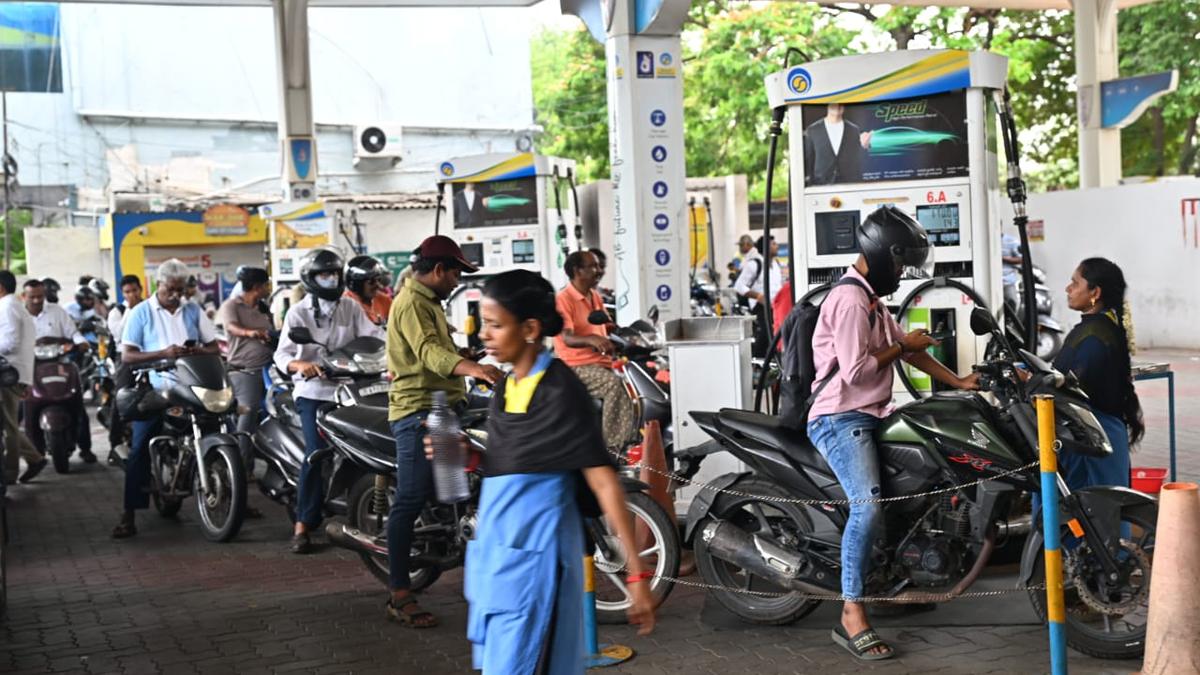
Fuel stations across Andhra Pradesh are starting to see shorter lines as the recent petrol and diesel shortage begins to fade. On Tuesday, many dealers reported that fuel supplies were arriving more regularly, helping to ease the stress of the past few days. The problem started when oil companies changed their payment rules, requiring dealers to pay for fuel upfront without any credit. This change, combined with a sudden rush of worried customers, created a temporary crisis at the pumps.
Main Impact
The primary impact of this situation was a sudden break in the local fuel supply chain. Because petrol pump owners could not get fuel on credit, many smaller stations ran out of stock quickly. This led to massive traffic jams near working stations and caused a lot of stress for people who rely on their vehicles for work. Delivery drivers, farmers, and office workers all faced long wait times, sometimes standing in line for hours just to get a few liters of fuel.
Key Details
What Happened
The trouble began when major oil marketing companies decided to enforce a strict "no-credit" policy. In the past, dealers often had a small window of time to pay for the fuel delivered to their stations. Under the new rules, they had to pay the full amount immediately. Many dealers did not have enough cash on hand to cover these large costs all at once. When they couldn't pay, the oil companies stopped sending the fuel trucks. As word spread that some pumps were closing, thousands of people rushed to fill their tanks at the remaining open stations, which quickly used up the available supply.
Important Numbers and Facts
By Tuesday morning, the situation showed signs of improvement as more tankers reached the stations. Dealers explained that the "working capital"—which is the money a business uses for its daily operations—was the main issue. A single tanker of fuel can cost a huge amount of money, and without credit, pump owners had to find millions of rupees in cash very quickly. The panic buying made things worse, as demand jumped to nearly double the normal daily rate in some areas. Now that the initial rush has slowed down, the supply is slowly returning to normal levels.
Background and Context
This issue matters because fuel is the backbone of daily life and the economy. In Andhra Pradesh, like many other states, petrol pumps are mostly run by private dealers who buy their stock from big government-owned or private oil companies. These dealers operate on thin profit margins. When the rules for how they buy fuel change suddenly, it affects their ability to keep their tanks full. This event shows how sensitive the system is to changes in financial policies. If the dealers cannot manage their cash flow, the public is the first to feel the consequences through shortages and long queues.
Public or Industry Reaction
Fuel station owners have expressed their concerns about the new payment rules. They argue that the "no-credit" policy puts too much pressure on small businesses that may not have large amounts of cash ready at all times. On the other hand, the public reacted with fear. Social media was filled with photos of long lines, which only added to the panic. Many people felt that the government or the oil companies should have given more warning before making such a big change to the way fuel is sold to dealers.
What This Means Going Forward
Moving forward, petrol pump owners will likely need to change how they manage their money to avoid another shortage. They may need to keep more cash in reserve or find new ways to fund their daily purchases. For the government, this event serves as a lesson in how rumors and policy changes can lead to panic. There may be calls for better communication between oil companies and dealers to ensure that the public is not caught off guard again. If the "no-credit" policy stays in place, the cost of running a petrol pump will become higher, which could lead to more challenges for smaller operators in rural areas.
Final Take
The easing of fuel lines on Tuesday is a good sign for the people of Andhra Pradesh. It shows that the supply chain can recover once the initial shock of a policy change passes. However, the event highlights a weakness in how fuel is distributed. While the physical fuel was available, the financial rules prevented it from reaching the pumps. Ensuring that dealers have the support they need to buy stock is just as important as having the fuel itself.
Frequently Asked Questions
Why were there long lines at petrol pumps in Andhra Pradesh?
The lines were caused by a combination of a new "no-credit" policy from oil companies and panic buying by the public. Dealers didn't have enough cash to buy fuel upfront, leading to temporary shortages.
What is a "no-credit" policy?
A no-credit policy means that petrol pump owners must pay for the fuel immediately when it is delivered. They can no longer wait a few days to make the payment, which requires them to have a lot of cash ready at all times.
Is the fuel shortage over now?
The situation is improving. As of Tuesday, more fuel tankers are arriving at stations, and the long queues are starting to disappear as the supply catches up with the demand.