
Summary
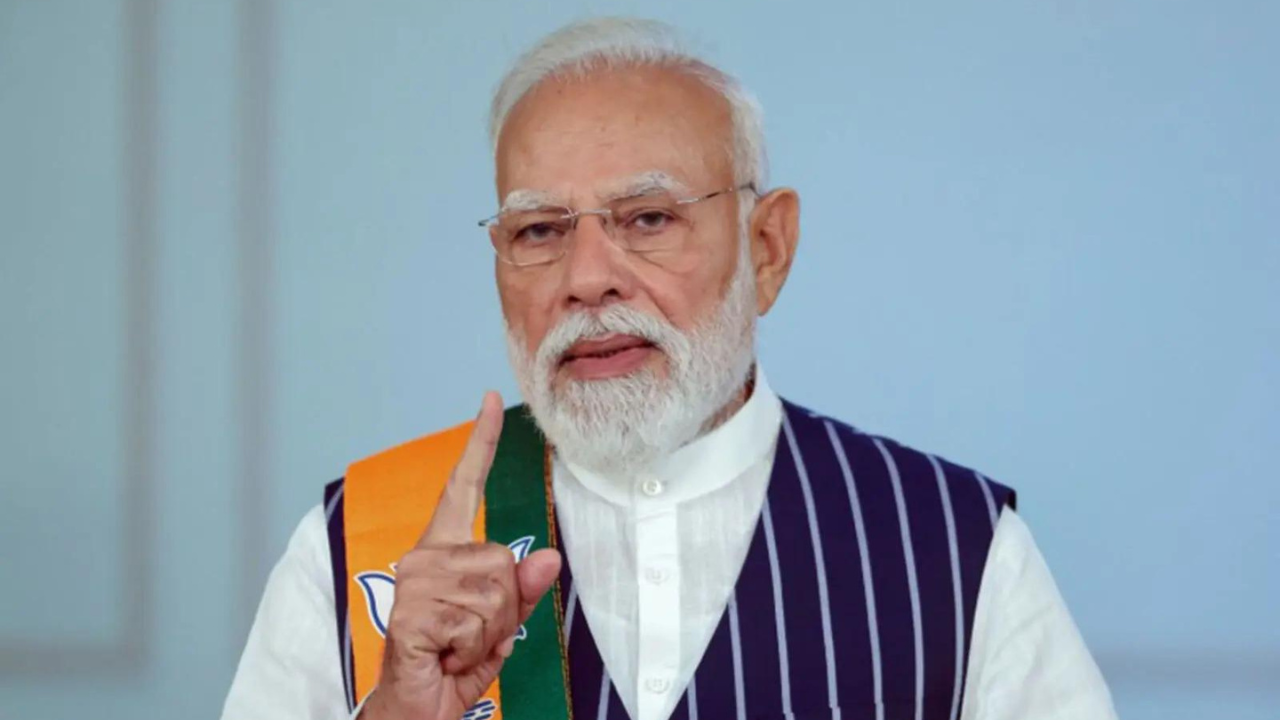
Prime Minister Narendra Modi is personally meeting with successful women from various fields to build support for the women’s reservation bill. This outreach comes just before a key parliamentary session set for April 16, where the bill will be discussed in detail. The law aims to reserve one-third of the seats in the Lok Sabha and state assemblies for women. By talking directly to women leaders, the Prime Minister hopes to create a strong wave of public approval for this major political change.
Main Impact
The primary goal of this bill is to change how India is governed by ensuring women have a guaranteed voice in law-making. Currently, women hold a small percentage of seats in the Indian Parliament. If this bill is fully put into practice, it will reserve 33% of seats for women candidates. This shift is expected to bring more focus to issues like women’s safety, education, and economic rights. The Prime Minister’s direct involvement shows that the government wants to make this a national movement rather than just a legal debate.
Key Details
What Happened
In the days leading up to the April 16 session, Prime Minister Modi has been hosting meetings and events with women who have achieved great things in science, sports, business, and social work. These meetings are meant to explain the benefits of the bill and to listen to the concerns of women leaders. The government is calling this bill the "Nari Shakti Vandan Adhiniyam," which translates to an act that honors the power of women. The focus is on showing that the government is serious about giving women a seat at the table where big decisions are made.
Important Numbers and Facts
The bill proposes a 33% reservation for women in the Lok Sabha, which is the lower house of India's Parliament. It also applies to all state legislative assemblies across the country. While the bill has already seen support in previous votes, the current discussions are about the timeline for when it will actually start. The government plans to implement the reservation starting with the 2029 general elections. This delay is because the government says it first needs to complete a new census and a process called delimitation, which involves redrawing the boundaries of voting areas.
Background and Context
The idea of reserving seats for women in India is not new. It has been talked about for nearly 30 years. Many different governments have tried to pass similar laws in the past, but they often faced strong opposition from various political groups. The main reason this topic matters so much is the current gap in representation. Even though women make up almost half of the population, their presence in the halls of power remains low. Supporters of the bill argue that without a legal quota, it will take too many decades for women to reach a fair level of representation through the normal election process.
Public or Industry Reaction
The reaction to the Prime Minister’s outreach has been mixed. Many women’s rights groups and successful professionals have welcomed the move, saying it is a historic step toward equality. They believe that having more women in government will lead to better policies for families and communities. However, some opposition parties have raised concerns. They agree with the idea of the bill but are unhappy with the 2029 start date. They argue that the government should implement the quota immediately without waiting for the census or the redrawing of voting districts. Some critics feel the current outreach is a way to gain political points before the next election cycle.
What This Means Going Forward
The upcoming session on April 16 will be a major test for the government. They will need to address the questions raised by the opposition regarding the delay in implementation. If the government successfully builds enough public support through this outreach, it will be harder for critics to block the progress of the bill. Between now and 2029, the government will have to conduct a massive national census. This is a huge task that involves counting every person in the country. After that, they must redraw the voting maps. These steps are necessary for the law to work, but they also mean that the real change is still several years away.
Final Take
The Prime Minister's decision to talk directly to the public shows that the women’s quota bill is a top priority for his administration. While the legal process in Parliament is important, winning the trust of the people is what will make the law successful in the long run. If this bill moves forward as planned, it will mark one of the biggest changes to the Indian political system since the country became independent. The focus now remains on how the government handles the concerns about the timeline and whether they can keep the momentum going until the 2029 elections.
Frequently Asked Questions
What is the women's quota bill?
It is a law that reserves 33% of seats in the Lok Sabha and state assemblies for women. This ensures that at least one-third of the lawmakers in these houses are women.
When will the women's reservation start?
The government plans to start the reservation from the 2029 general elections. This is because they need to finish a national census and redraw voting boundaries first.
Why is PM Modi meeting with women achievers now?
He is meeting with them to build public support for the bill before it is discussed in Parliament on April 16. He wants to show that the law has the backing of successful women from all parts of society.



