
Summary
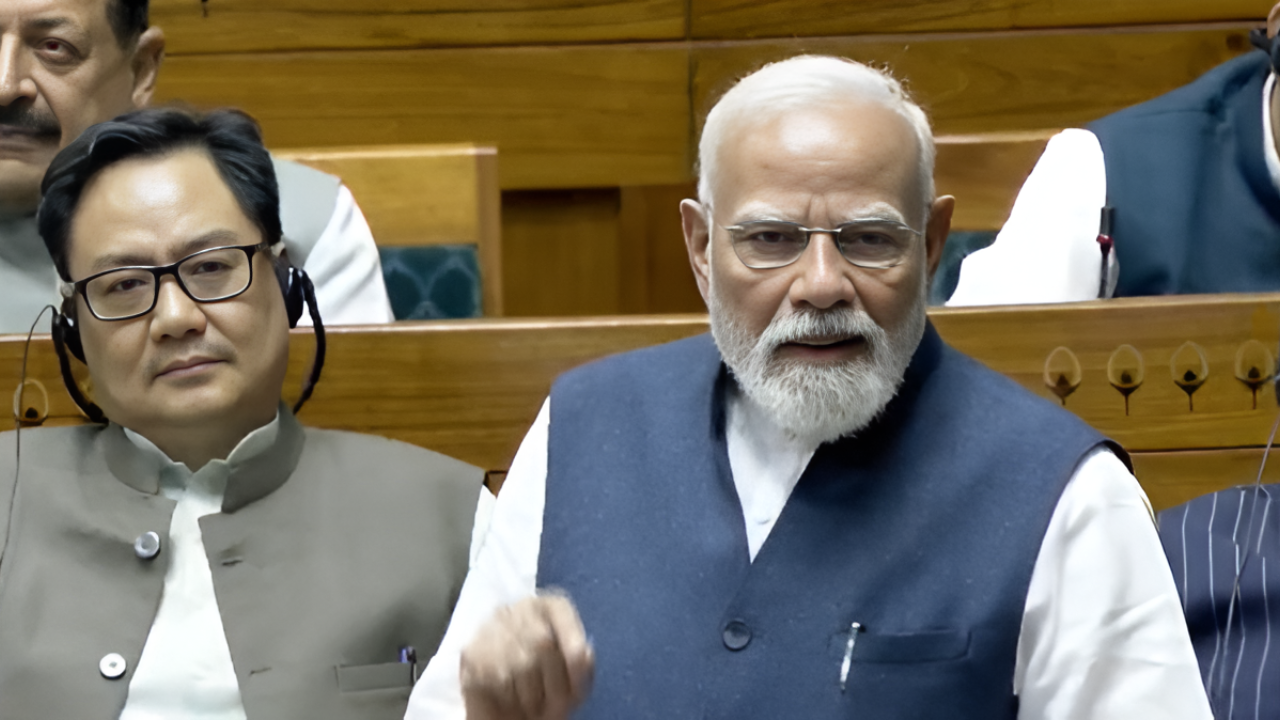
Prime Minister Narendra Modi recently delivered a significant speech in the Lok Sabha regarding the Women’s Reservation Bill. Officially known as the Nari Shakti Vandan Adhiniyam, this law sets aside 33 percent of seats for women in the Lok Sabha and state assemblies. The Prime Minister described the move as a vital step for India’s democracy and a necessary part of the country's growth. He emphasized that the goal is to give women a stronger voice in making the laws that govern the nation.
Main Impact
The primary impact of this development is a major shift in how India’s political system will function. By reserving one-third of the seats for women, the law ensures that female leaders have a guaranteed place in the highest levels of government. This change is expected to bring new perspectives to policy discussions, especially on topics like education, family welfare, and social justice. It moves the country away from a male-dominated political environment and toward a more balanced representation of its citizens.
Key Details
What Happened
During his address to the Parliament, Prime Minister Modi spoke about the long journey it took to bring this bill to life. He mentioned that while many people might want to take credit for the law, his main focus is on the benefit it brings to the women of India. He framed the bill as a tribute to "Nari Shakti," or women's power. The Prime Minister noted that for India to become a fully developed nation by the year 2047, women must be equal partners in the leadership process. He also linked the bill to India’s historical traditions, suggesting that respecting and empowering women has always been a part of the country’s core values.
Important Numbers and Facts
The Nari Shakti Vandan Adhiniyam includes several specific rules and figures that define how it will work. First, the 33 percent reservation applies to the Lok Sabha and all state legislative assemblies across India. This reservation is set to last for an initial period of 15 years, though the government can choose to extend it later. The seats reserved for women will be rotated after each "delimitation" exercise, which is the process of redrawing the boundaries of voting districts. It is important to note that the reservation will not start immediately; it will begin after the next official census is conducted and the new voting boundaries are set.
Background and Context
The idea of reserving seats for women in India’s Parliament is not new. It has been a topic of intense debate for nearly thirty years. Previous governments tried to pass similar bills in the 1990s and 2000s, but those attempts often failed due to a lack of agreement among political parties. Many leaders argued over whether there should be specific quotas within the women's quota for different social groups. Because of these disagreements, the bill remained stuck for decades. The current passage of the bill marks the end of this long wait and represents a rare moment of agreement between different political sides in India.
Public or Industry Reaction
The reaction to the Prime Minister’s speech and the bill has been largely positive, with many people calling it a "historic" achievement. Women’s rights groups have praised the move, saying it will encourage more women to enter politics at the local and national levels. However, some political critics have expressed concerns about the timing. They point out that because the reservation depends on a new census and the redrawing of districts, it might take several years before the first group of women is elected under this new law. Some opposition members have asked the government to speed up the process so that the changes can be seen in the very next election.
What This Means Going Forward
Looking ahead, political parties will face the challenge of finding and training a large number of female candidates. This will likely lead to more investment in leadership programs for women within political organizations. As more women enter the Lok Sabha and state assemblies, the nature of political debate is expected to change. There may be a greater focus on "soft" infrastructure, such as healthcare and community services, which are often prioritized by female lawmakers. The long-term goal is to make female leadership a normal part of Indian life rather than an exception.
Final Take
The Women’s Reservation Bill is a landmark change for India. By moving beyond political credit and focusing on legal empowerment, the government has set a new standard for inclusion. While the practical implementation will take time and careful planning, the message is clear: the future of India’s growth depends on the active and equal participation of women in its democracy. This law ensures that the doors of power are finally open to those who represent half of the nation's population.
Frequently Asked Questions
What is the Nari Shakti Vandan Adhiniyam?
It is the official name of the Women’s Reservation Bill, which reserves 33 percent of seats in the Lok Sabha and state assemblies for women.
When will the women's reservation actually start?
The reservation will be implemented after the next census is completed and the boundaries of voting districts are redrawn, which may take a few years.
How long will the reservation last?
The law states that the reservation will stay in place for 15 years, but Parliament has the power to extend this period if they decide it is necessary.



